Choosing recessed lighting can seem simple until you start comparing aperture sizes. Two of the most popular options for modern interiors are 2-inch and 3-inch recessed lights.
At first glance, the difference may seem small. But that extra inch can affect the visual appearance of your ceiling, light distribution, fixture output, and the way the lighting works within the space.
So, should you choose 2 inch vs 3 inch recessed lighting?
The answer depends less on the size of the room and more on what you want the light to do.
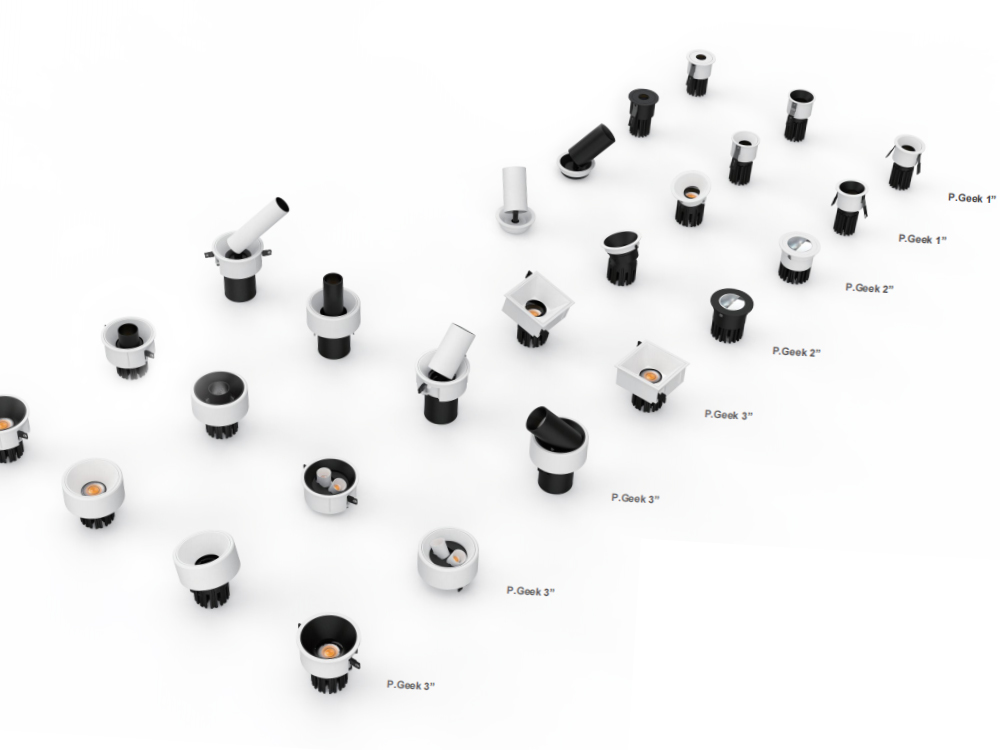
2 Inch vs. 3 Inch Recessed Lighting at a Glance
| Feature | 2-Inch Recessed Lighting | 3-Inch Recessed Lighting |
| Ceiling appearance | Smaller and more discreet | Slightly more visible |
| Aperture | Compact | Larger |
| Visual style | Minimal, architectural | Balanced and versatile |
| Typical use | Accent, artwork, hallways, compact spaces | General lighting, accent, wall washing |
| Light distribution | Often more focused | Can provide broader coverage |
| Best for | Minimalist ceiling designs | Flexible residential and commercial applications |
These are general design considerations rather than fixed rules. The actual performance depends on the LED output, optics, beam angle, ceiling height, and installation position.
What Does “2-Inch” or “3-Inch” Actually Mean?
When lighting manufacturers refer to a 2 inch vs 3 inch recessed lighting, they are generally talking about the fixture’s aperture or cutout size rather than simply the overall housing size.
For example, XRZLux’s P.GEEK system includes multiple recessed lighting sizes, with 2-inch models using approximately a 2-inch / 62 mm cutout, while 3-inch models use approximately a 3-inch / 77 mm cutout for the corresponding round or square configurations.
This distinction matters when planning a new installation or replacing an existing fixture.
If you’re working with an existing ceiling opening, always check the manufacturer’s actual cutout dimensions before ordering. A fixture labeled “2-inch” does not necessarily mean every part of the fixture measures exactly two inches.
When Should You Choose 2-Inch Recessed Lighting?

A 2-inch recessed light is a strong option when you want the lighting to stay visually quiet.
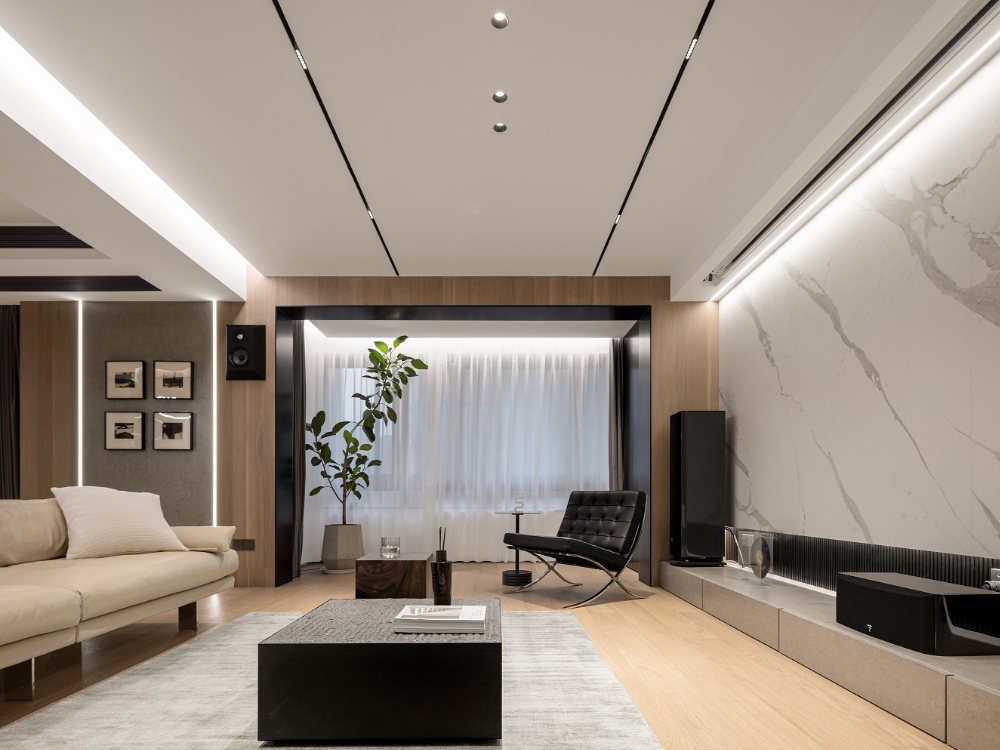
Because the aperture is smaller, the fixture can create a cleaner ceiling appearance, particularly in minimalist or contemporary interiors.
1. You want a minimalist ceiling
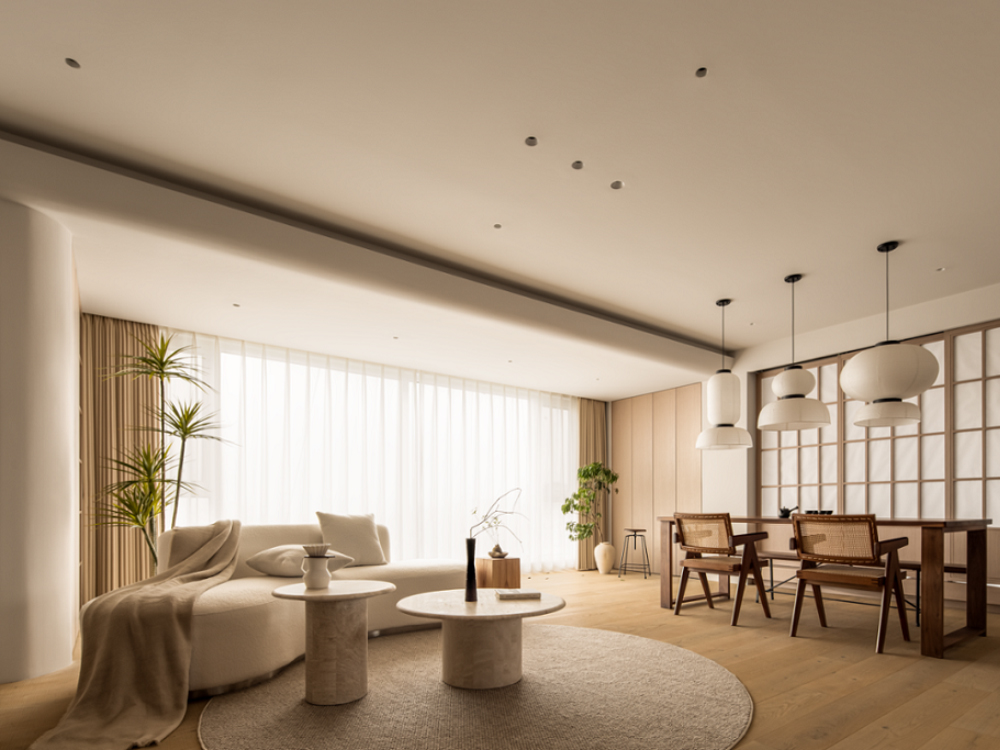
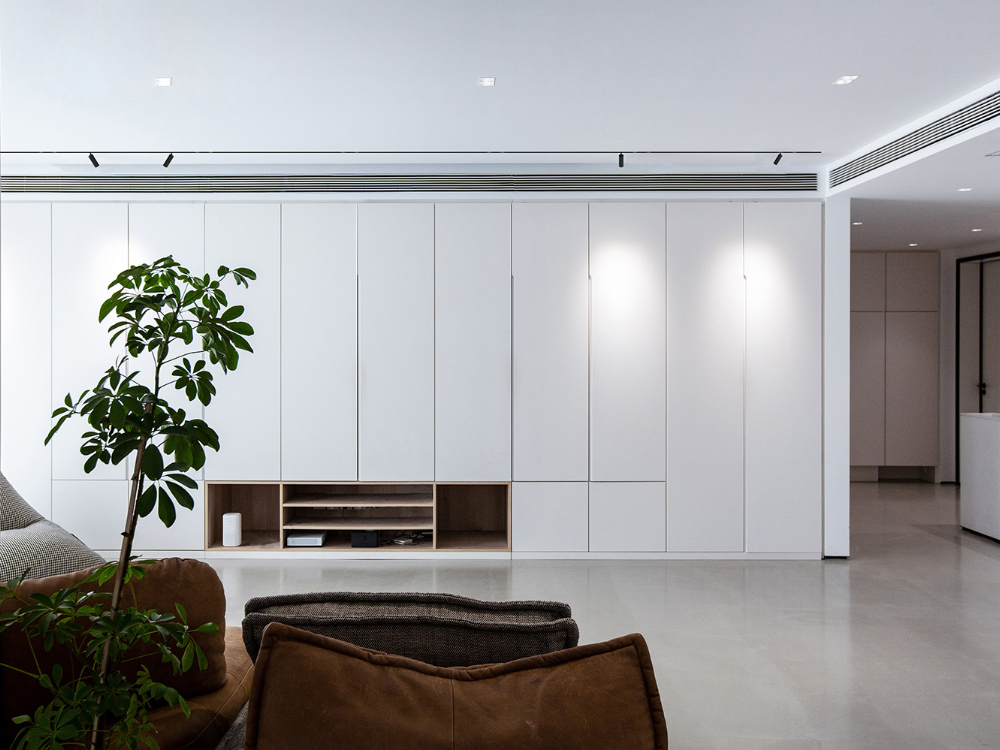
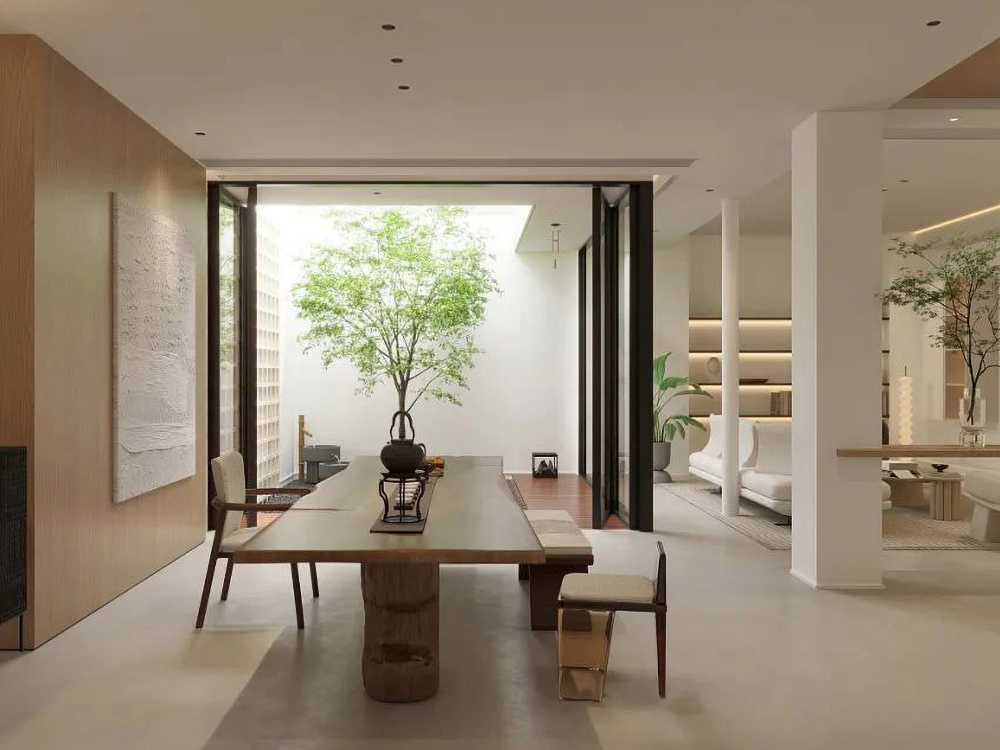
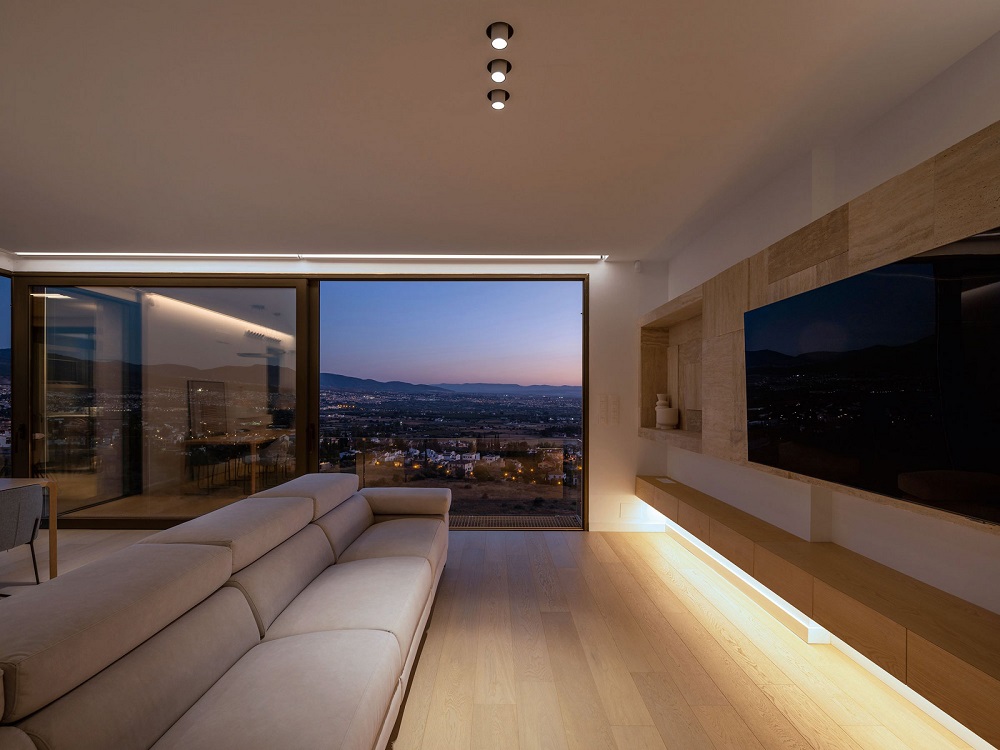
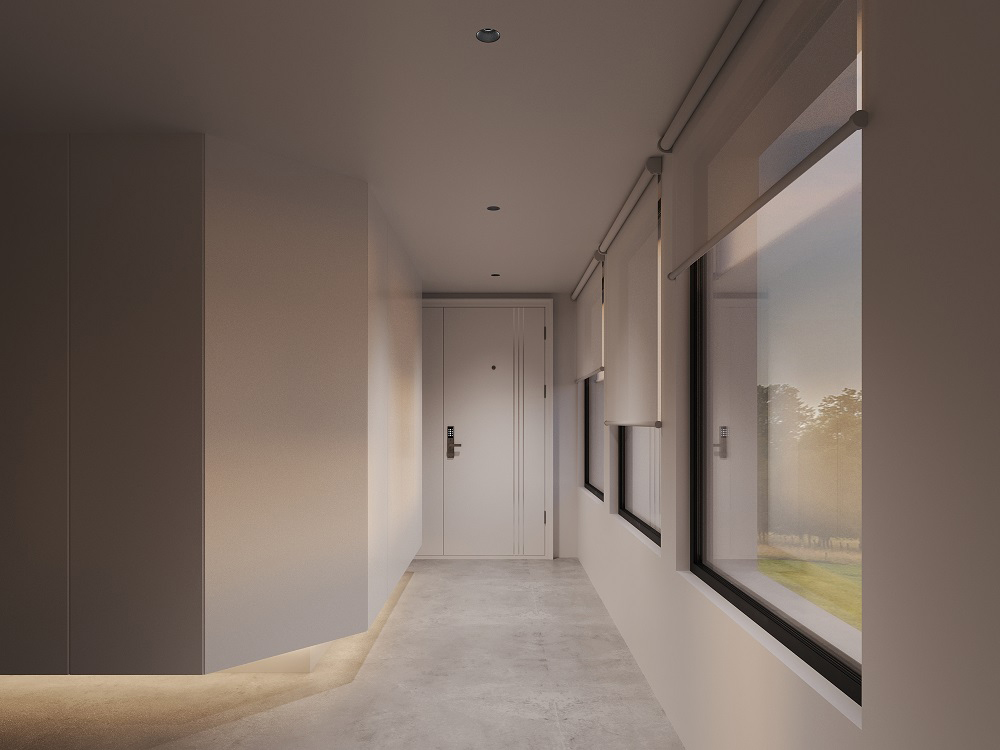
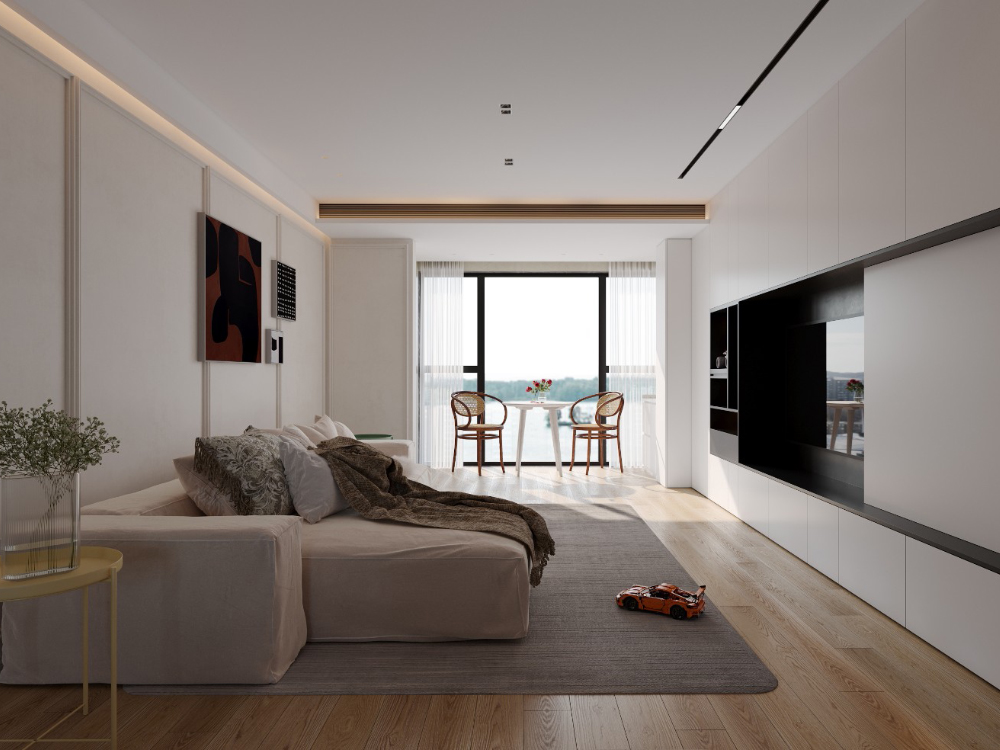
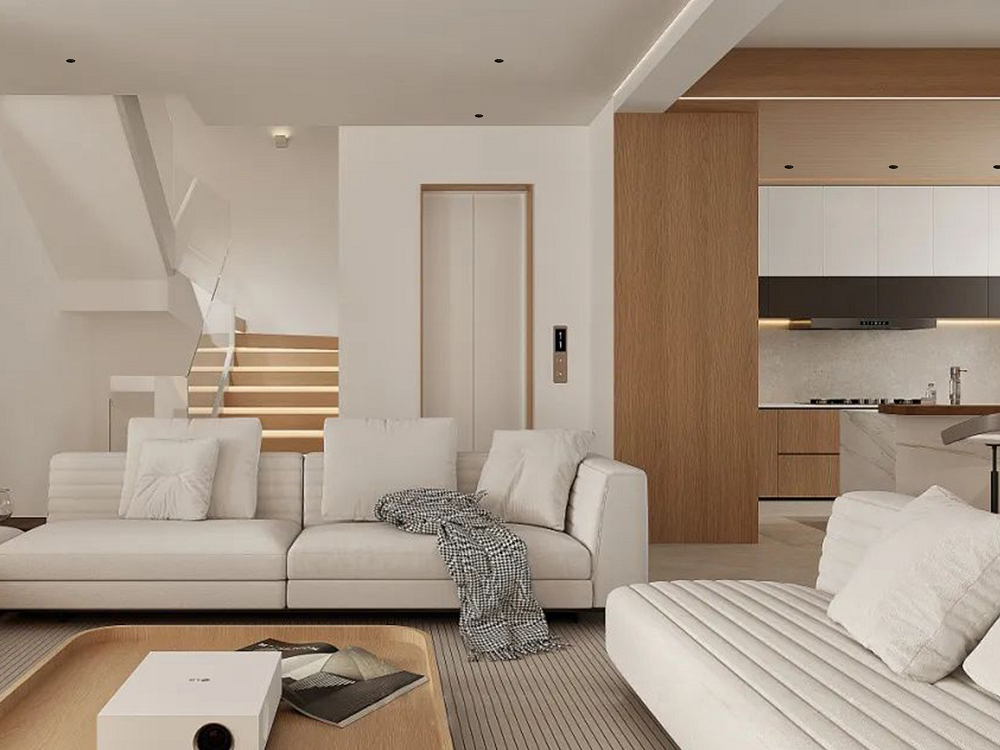
If you’re designing a modern living room, bedroom, hallway, or architectural interior, smaller apertures can help reduce visual clutter.
Instead of seeing rows of large ceiling fixtures, the eye notices the light rather than the fixture itself.
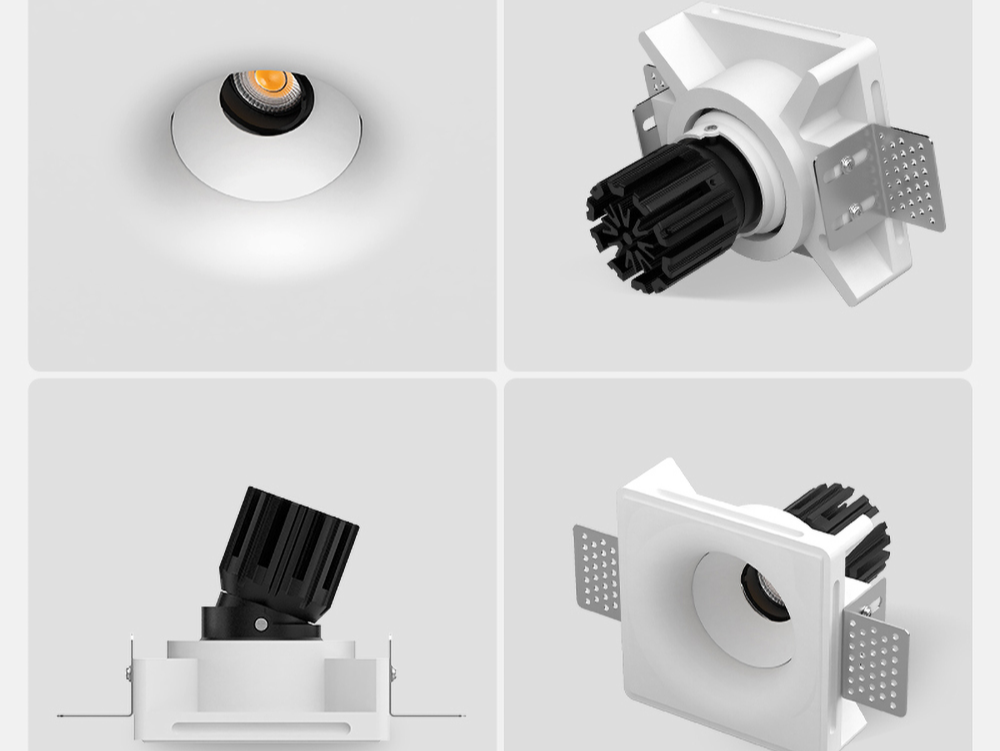
XRZLux’s 2-inch P.GEEK recessed lighting includes compact designs for applications where a discreet ceiling profile is important. Some models are also available with trimless installation for an even more integrated appearance.
2. You’re creating accent lighting
A 2-inch recessed spotlight can work particularly well when the goal is to highlight something specific.
Think about:
- Artwork
- Decorative walls
- Shelving
- Architectural details
- Display areas
- Dining features
- Hallways
The important factor here isn’t simply the aperture size. Beam angle and optical design have a major impact on the final lighting effect.
Narrower beams can create a more concentrated beam for accent lighting, while wider beams distribute light across a larger surface.

3. You have a smaller or visually sensitive space
In a narrow hallway, compact bedroom, or space with a detailed ceiling design, a large number of visible fixtures can become distracting.
A smaller aperture can make it easier to maintain a clean visual rhythm across the ceiling.
4. You need a compact waterproof option
Size doesn’t necessarily mean sacrificing performance.
For example, XRZLux’s 2-inch IP65 recessed LED spotlight combines a compact aperture with up to 12W output, CRI 90+ and IP65 protection. This type of fixture can be useful for applications where a small visual footprint and moisture protection are both important.
When Does 3-Inch Recessed Lighting Make More Sense?

If 2-inch lighting is about keeping things compact, 3-inch recessed lighting offers a little more visual and lighting flexibility.
It’s a practical middle ground for many residential and commercial interiors.
1. You need broader lighting coverage
A 3-inch fixture can accommodate different optical configurations and higher-output designs, depending on the product.
For example, XRZLux’s 3-inch recessed spotlight range includes options designed for downlighting, accent lighting, wall washing, and moisture-resistant applications.
This makes 3-inch lighting particularly flexible when one project requires several different lighting effects.
2. You are lighting living rooms and larger spaces
A 3-inch recessed light can be a good fit for:
- Living rooms
- Kitchens
- Bedrooms
- Dining areas
- Corridors
- Hotels
- Retail spaces
- Showrooms
Rather than choosing a fixture based only on room size, consider the desired light level, beam angle, ceiling height, and spacing between fixtures.
A well-designed layout using smaller fixtures can still work in a relatively large room, while a poorly spaced larger fixture can create uneven lighting.
3. You want adjustable or wall-washing lighting
This is one area where 3-inch recessed lighting can be particularly useful.
XRZLux’s 3-inch P.GEEK range includes adjustable and stretchable spotlight designs. For example, the GK75-R03QS can tilt vertically up to 50° and rotate horizontally 360°, with 15°, 25°, and 35° beam angle options.
That makes it useful when the lighting needs to be aimed rather than simply directed straight down.You might use this type of fixture to illuminate:
- A feature wall
- Artwork
- A textured surface
- A retail display
- A hotel interior
- A decorative architectural element

2 Inch vs. 3 Inch Recessed Lighting: Which Looks Better?
There isn’t a universal answer.
It really depends on the ceiling and the overall design language of the space.
Choose 2-inch when you want:
A quieter ceiling
The smaller aperture can blend into the architecture and keep the ceiling visually clean.
A more architectural appearance
Small-aperture lighting works particularly well with minimalist interiors where the lighting source itself is not intended to become a decorative feature.
Focused accent lighting
With the right optics and beam angle, a compact spotlight can create a precise lighting effect.
Choose 3-inch when you want:
More fixture flexibility
3-inch products are available in a wider variety of configurations, including fixed, adjustable, wall-washing, square, round, and waterproof options within XRZLux’s range.
A balanced ceiling appearance
A 3-inch aperture is still relatively compact, but it has a little more visual presence than a micro-aperture fixture.
Multiple lighting functions
If one project requires general illumination in one area and directional or wall-washing lighting in another, a 3-inch family can provide useful consistency across the installation.
Don’t Choose the Size Based on Wattage Alone
One common mistake is assuming that a larger recessed light will automatically be brighter.
Not necessarily.Modern LED recessed lighting can produce strong output from surprisingly small apertures. What matters is the combination of:
Lumens + optics + beam angle + CRI + installation height + spacing
For example, XRZLux’s 2-inch IP65 spotlight can reach 12W with CRI 90+, while some 3-inch products can reach 15W depending on the model.
This is why comparing wattage alone isn’t enough.
If you’re trying to decide between two fixtures, look at the actual lumen output and photometric data rather than assuming the larger aperture will always provide more usable light.
Think About Beam Angle, Too

Aperture size is only one part of the equation.
Beam angle determines how widely the light spreads.
A narrow beam can create a concentrated pool of light, which is useful for artwork, decorative objects, or accent lighting.
A wider beam distributes light over a larger area and can be more suitable for general illumination.
For example:
- Narrow beam: artwork and accent lighting
- Medium beam: task and focused area lighting
- Wide beam: ambient and general lighting
The best size can therefore change depending on the beam angle you choose.
A 2-inch spotlight with a wide beam may work perfectly well in one room, while a 3-inch fixture with a narrow beam may be better suited to highlighting a feature wall.
2 Inch vs 3 Inch Recessed Lighting for Different Rooms?
Here’s a simple way to think about it.
Living Room
Both sizes can work.
Choose 2-inch fixtures when you want a discreet architectural appearance or focused accent lighting.
Choose 3-inch when you need more flexibility, such as adjustable spotlights or wall-washing.
Kitchen
3-inch recessed lighting can be a practical choice when you need broader coverage or a combination of general and task lighting.
However, compact 2-inch fixtures can work well above specific areas or for accenting cabinets and architectural features.
Bedroom
2-inch recessed lights are a good option when the goal is a soft, minimal ceiling appearance.
Use adjustable fixtures carefully if you want to highlight artwork, a feature wall, or decorative elements.
Hallway
2-inch fixtures can create a clean, understated appearance, especially in narrow corridors.
A 3-inch wall-washing fixture can also work well when you want to emphasize the walls rather than simply illuminate the floor.
Bathroom
The important consideration here is not simply whether the fixture is 2-inch or 3-inch.
IP rating matters more.
For damp or wet locations, select a fixture with an appropriate IP rating for the installation conditions. XRZLux offers both 2-inch IP65 and 3-inch IP65 recessed spotlight options for applications requiring enhanced protection against dust and water.
Always verify the product’s installation requirements and local electrical code before installation.
What About Trim, Trimless, and Semi-Recessed?

The aperture size isn’t the only design decision.
You also need to decide how the fixture should interact with the ceiling.
Trim Recessed Lighting
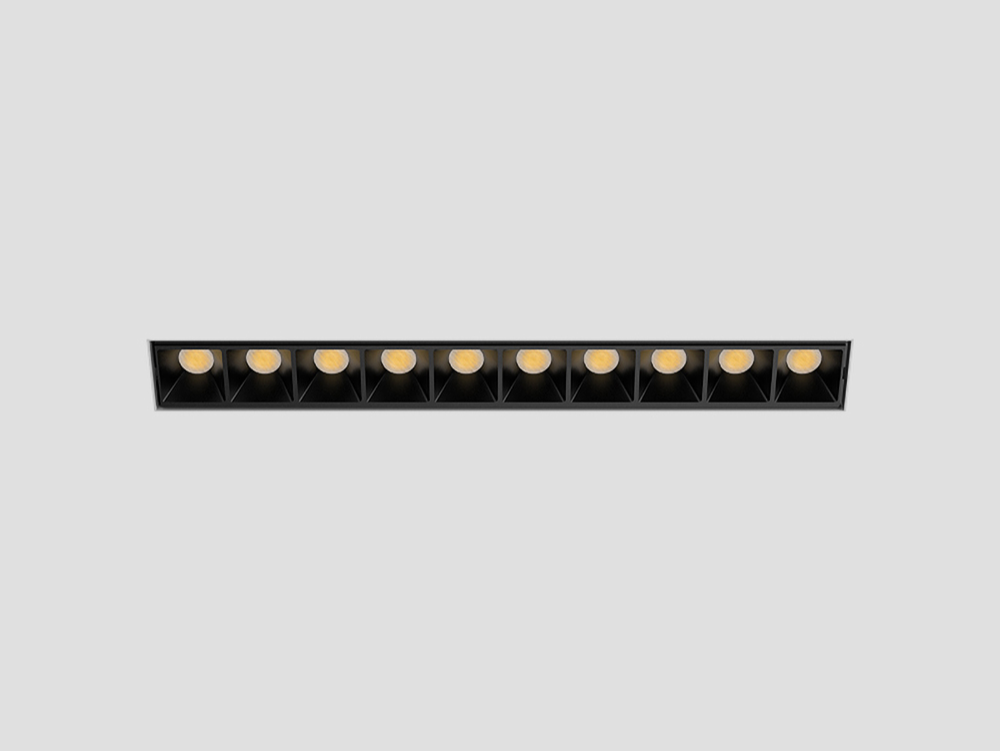
Trim creates a visible edge around the aperture and provides a more traditional recessed-light appearance.
It can also introduce a contrasting design element, such as a black trim against a white ceiling.
Trimless Recessed Lighting
Trimless fixtures are designed to blend more closely into the ceiling.
They’re especially suitable for minimalist interiors where you want the ceiling to look almost seamless.
XRZLux’s P.GEEK collection includes both trim and trimless configurations across its recessed lighting range.
Semi-Recessed Lighting
Semi-recessed fixtures sit partly below the ceiling, giving the fixture slightly more visual presence while maintaining a relatively clean appearance.XRZLux also offers 3-inch semi-recessed options, making this format worth considering when a fully recessed fixture feels too visually subtle.
So, 2 Inch vs 3 Inch Recessed Lighting?
If you’re still undecided, start with the lighting goal rather than the fixture size.
Choose 2-inch recessed lighting if you prioritize:
- Minimal ceiling appearance
- Compact apertures
- Architectural lighting
- Accent lighting
- Discreet fixtures
- Small or visually sensitive spaces
Choose 3-inch recessed lighting if you prioritize:
- Flexible applications
- Broader fixture selection
- Higher-output options
- Adjustable or wall-washing lighting
- Residential and commercial versatility
- A slightly more visible fixture profile
And remember: the “right” recessed light isn’t necessarily the smallest or brightest one.
The best result usually comes from matching the aperture size with the beam angle, light output, ceiling height, spacing, CRI, installation type, and purpose of the light.
Explore More Recessed Lighting Options from XRZLux
XRZLux’s P.GEEK recessed lighting collection includes compact 2-inch and versatile 3-inch solutions, with options covering trim, trimless, semi-recessed, adjustable, wall-washing, and IP-rated designs.
Whether you’re planning a minimalist residential ceiling or a more flexible commercial lighting system, comparing the actual optical and installation requirements can help you choose the right fixture before the first hole is cut in the ceiling.