When choosing lighting for your home, it is easy to focus only on the appearance of a fixture. However, great lighting design is not just about selecting a beautiful lamp. The right lighting depends on many factors, including brightness, color, light distribution, and visual comfort.
Whether you are planning a new home, upgrading your interior, or selecting LED recessed lighting, magnetic track lighting, or architectural lighting fixtures, understanding lighting basics terms will help you create a more comfortable and functional space.
Before choosing your next lighting solution, let’s take a look at some important lighting concepts that designers and homeowners should know.

1. Lighting basics – Luminance: How Bright a Light Source Looks
Luminance refers to the amount of light emitted or reflected from a surface in a specific direction. It is measured in candela per square meter (cd/m²).
Simply put, luminance describes how bright a light source appears to our eyes.
For example, two LED fixtures may have similar light output, but one fixture may look much brighter because its LED source has higher luminance. This is why some traditional lighting products can feel uncomfortable when the light source is directly visible.
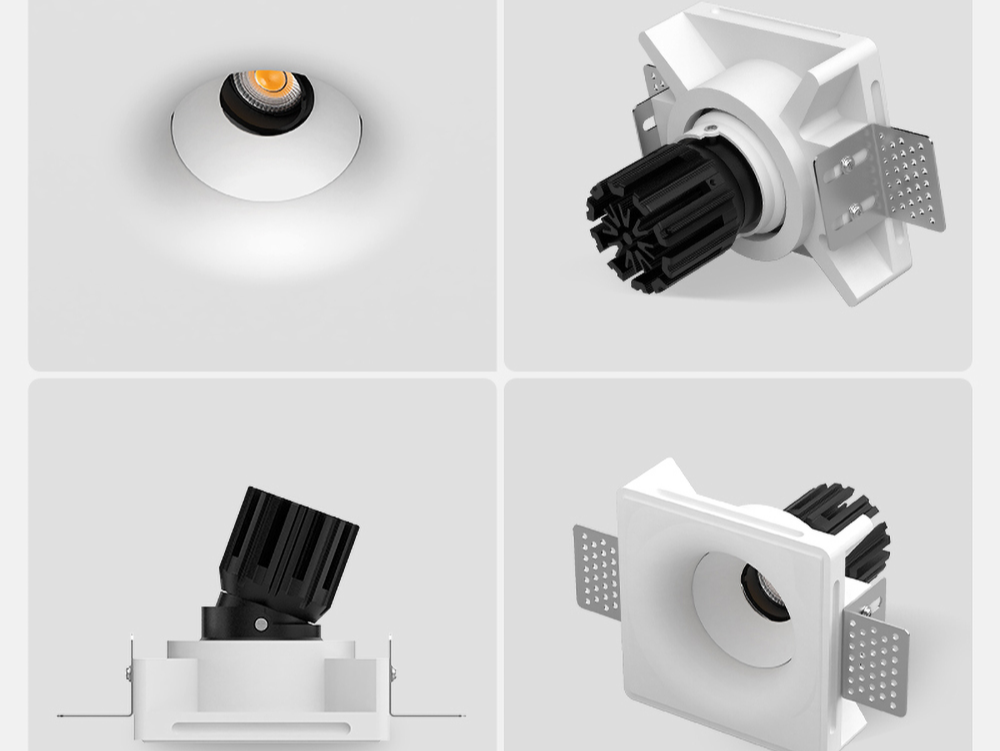
In modern interior lighting design, controlling luminance is important for creating comfortable spaces. Features such as deep recessed LED designs, Anti-glare reflectors, Optical lenses, and hidden light sources can help reduce harsh brightness and create a softer lighting experience.
For residential applications, especially recessed ceiling lights and architectural lighting, good luminance control improves both aesthetics and visual comfort.
2. Lighting basics – Illuminance: How Much Light Reaches a Surface
Illuminance measures the amount of visible light received by a surface. The unit of measurement is lux (lx).
Unlike luminance, which describes how bright something looks, illuminance is an objective measurement used by lighting designers to determine whether a space has enough light.
Different areas require different illuminance levels depending on their purpose:
- Living Room Lighting: A comfortable level of illumination creates a relaxing atmosphere for conversations, entertainment, and daily activities.
- Kitchen Lighting: Cooking areas usually require brighter and more focused lighting to improve visibility and reduce shadows.
- Bedroom Lighting: Bedrooms typically benefit from softer and warmer lighting to create a relaxing environment.
When selecting LED lighting, illuminance depends on several factors, including fixture wattage, lumen output, Installation height, Beam angle, and room size. This is why choosing the right fixture is not only about power consumption but also about how effectively the light is distributed throughout the space.
3. Lighting basics – Color Temperature: Choosing the Right Mood for Your Space
Color temperature describes the appearance of light and is measured in Kelvin (K).
Different color temperatures create completely different feelings in a room.
- Warm White (2700K–3000K)
Warm white lighting produces a cozy and inviting atmosphere. It is commonly used in Bedrooms, Living rooms, Dining rooms, Hotels, and restaurants. This color temperature is popular for residential spaces because it creates a comfortable and relaxing environment.
- Neutral White (3500K–4000K)
Neutral white provides a clean and natural appearance. It works well for Kitchens, Bathrooms, Home offices and Retail spaces. Many modern homes use 3500K or 4000K LED lighting because it balances comfort and visibility.
- Cool White (5000K–6500K)
Cool white lighting creates a brighter and more energetic feeling. It is commonly used in Commercial environments, Workspaces, Garages and Utility areas.
Choosing the correct color temperature can completely change the atmosphere of your interior.

4. Lighting basics – Color Rendering Index (CRI): Making Colors Look More Natural
Color Rendering Index (CRI) measures how accurately a light source shows the true colors of objects compared with natural light.
The CRI scale ranges from 0 to 100. A higher CRI means colors appear more realistic and natural.
For residential and architectural lighting, CRI 90+ LED lighting is highly recommended because it helps maintain the true appearance of Artwork, Furniture, Wood flooring, Kitchen surfaces and Interior decorations.
Low CRI lighting may make colors appear dull or slightly distorted, while high CRI lighting creates a more premium and comfortable visual experience.
For spaces where appearance matters, such as modern homes, galleries, retail stores, and hospitality environments, high color rendering is an important consideration.

5. Lighting basics – Beam Angle: Controlling Light Distribution
The beam angle describes how widely light spreads from a fixture. Different beam angles create different lighting effects and are suitable for different applications.
- Narrow Beam Angle (Less Than 20°)
A narrow beam creates concentrated and focused lighting.
Common applications: Artwork lighting, Accent lighting, Decorative objects and Feature walls.
- Medium Beam Angle (20°–40°)
A medium beam provides balanced illumination and is widely used in residential lighting.
Common applications: LED recessed downlights, Ceiling lighting, General room illumination.
- Wide Beam Angle (More Than 40°)
A wide beam spreads light over a larger area.
Common applications: Open living spaces, Ambient lighting, Large commercial areas.
Selecting the correct beam angle helps avoid uneven lighting and creates a more comfortable atmosphere. For example, a narrow beam spotlight may highlight artwork beautifully, while a wider beam recessed light provides better overall room lighting.

6. Lighting basics – Glare: Creating Comfortable Lighting Without Eye Strain
Glare happens when excessive brightness or strong contrast causes discomfort or makes it difficult to see clearly. In residential lighting, glare is one of the most common problems caused by improper fixture selection or installation.
There are two main types of glare:
- Direct Glare: Direct glare occurs when a bright LED light source is directly visible to the eyes.Examples include: Exposed LED chips, Poorly designed downlights, Incorrect fixture positioning.
- Reflected Glare: Reflected glare occurs when light reflects from shiny surfaces such as: Glass tables, Polished stone countertops. Glossy furniture.
To reduce glare, modern architectural lighting solutions often use: Deep anti-glare structures, Professional optical designs, Proper light shielding, High-quality reflectors. A well-designed lighting system should provide enough brightness while maintaining visual comfort.
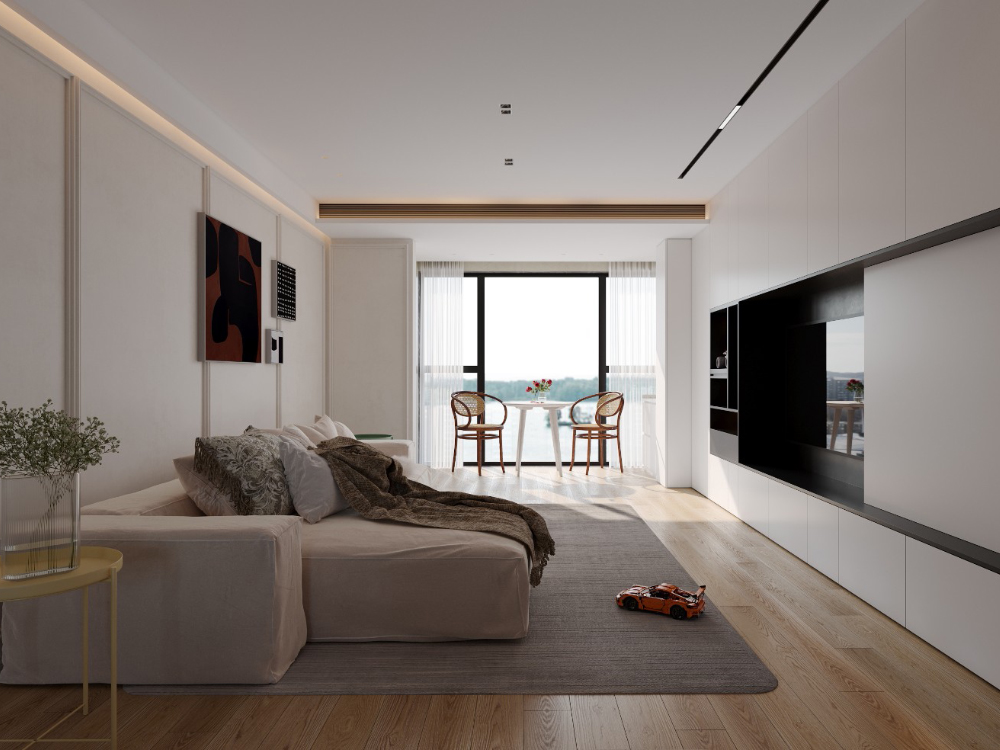
Why Lighting Basics Matter When Choosing LED Fixtures
Good lighting is not simply about making a room brighter. It is about creating the right balance between function, atmosphere, and comfort.
Understanding terms like: Luminance, Illuminance, Color temperature, CRI, Beam angle, Glare control can help homeowners and designers make better lighting decisions.
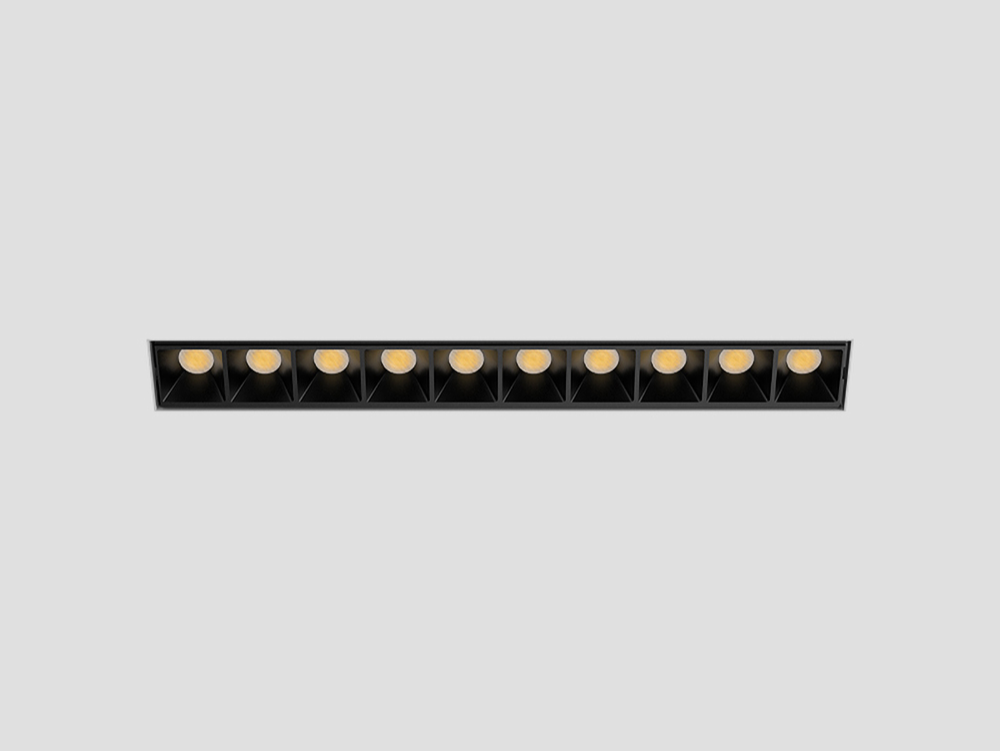
Whether you are selecting trimless recessed lighting for a modern interior, magnetic track lighting for flexible illumination, or architectural LED fixtures for commercial projects, these lighting fundamentals will help you achieve better results.
At XRZLux Light, we focus on providing high-quality architectural lighting solutions designed for modern residential and commercial spaces. Our LED lighting products combine efficient performance, comfortable light distribution, and refined designs to create beautiful lighting environments.