When planning a home, lighting is often treated as the finishing touch. But in reality, it can influence almost everything—from how large a room feels to how comfortable it is at night.
A well home lighting design plan does more than make a space bright. It creates layers, highlights architectural details, supports everyday activities, and sets the mood for different moments of the day.
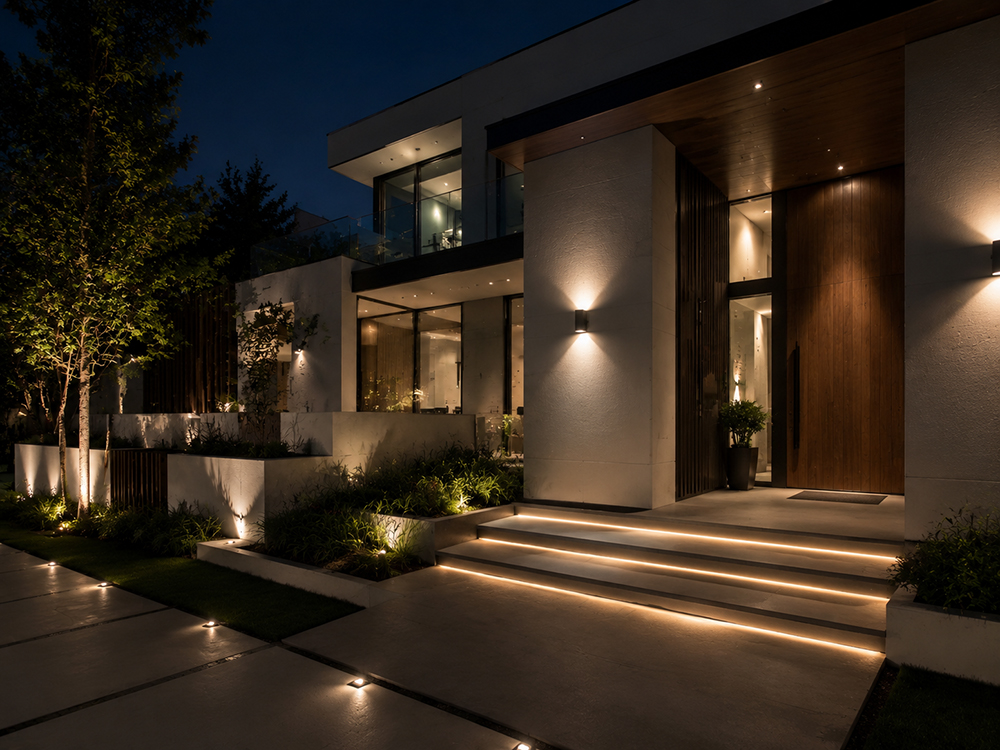
That is why modern residential lighting design is moving beyond a single ceiling fixture. Instead, homeowners and designers are combining ambient lighting, task lighting, and accent lighting to create spaces that feel both functional and inviting.
From recessed lighting in the living room to focused task lighting in the kitchen, here are some practical ways to approach lighting throughout the home.
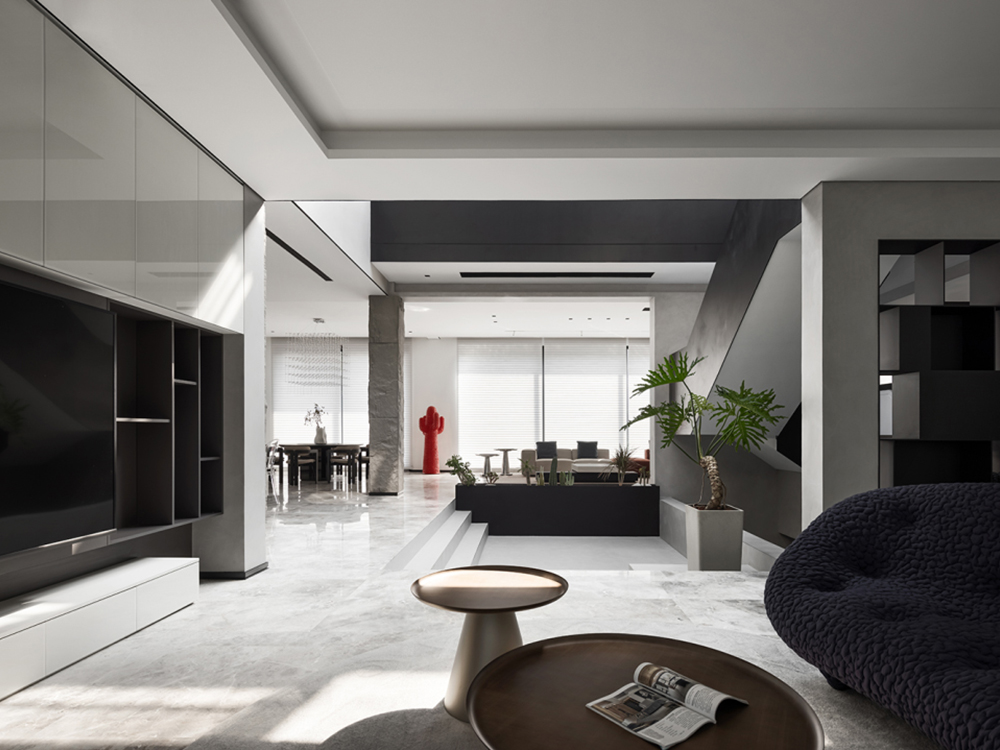
Home Lighting Design – Living & Dining Rooms: Build Layers Instead of Just Brightness
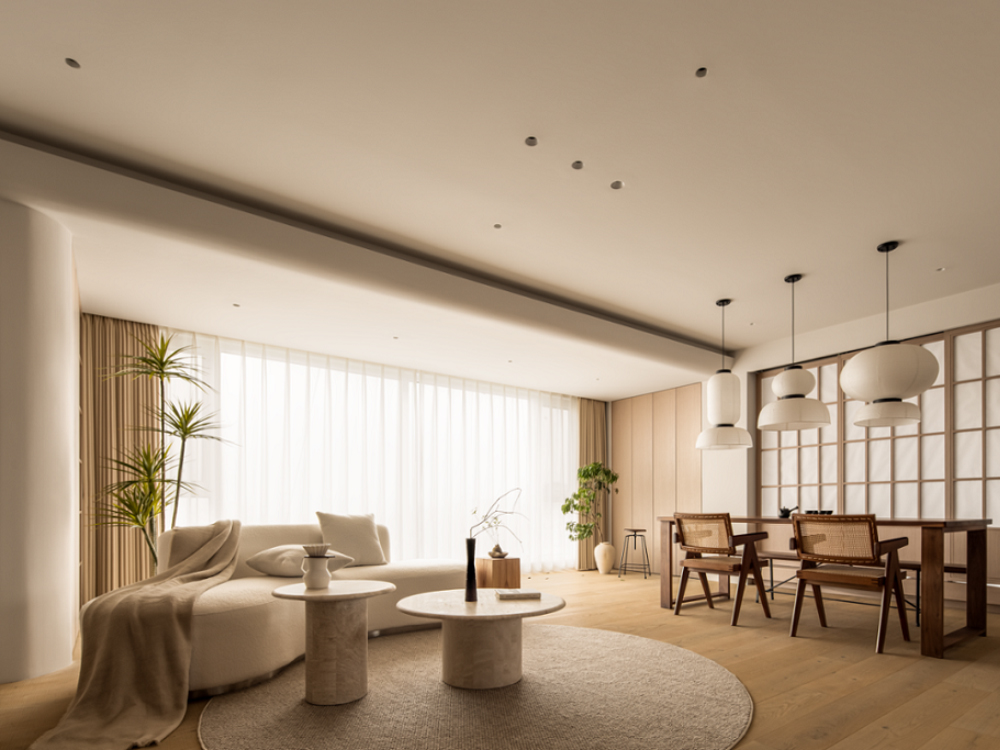
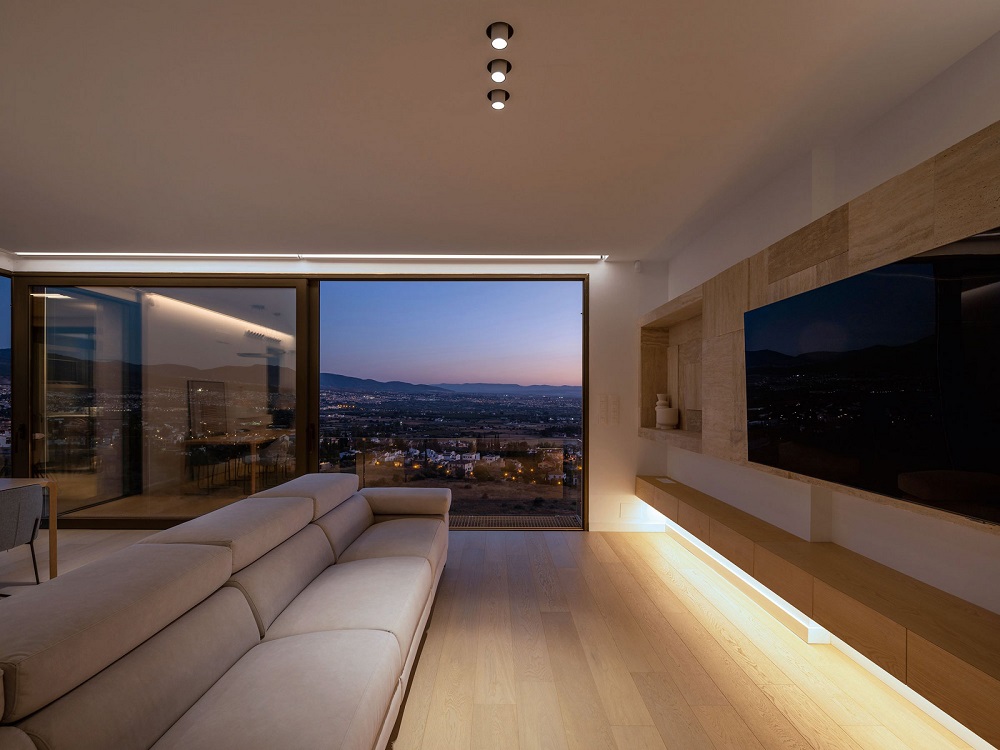
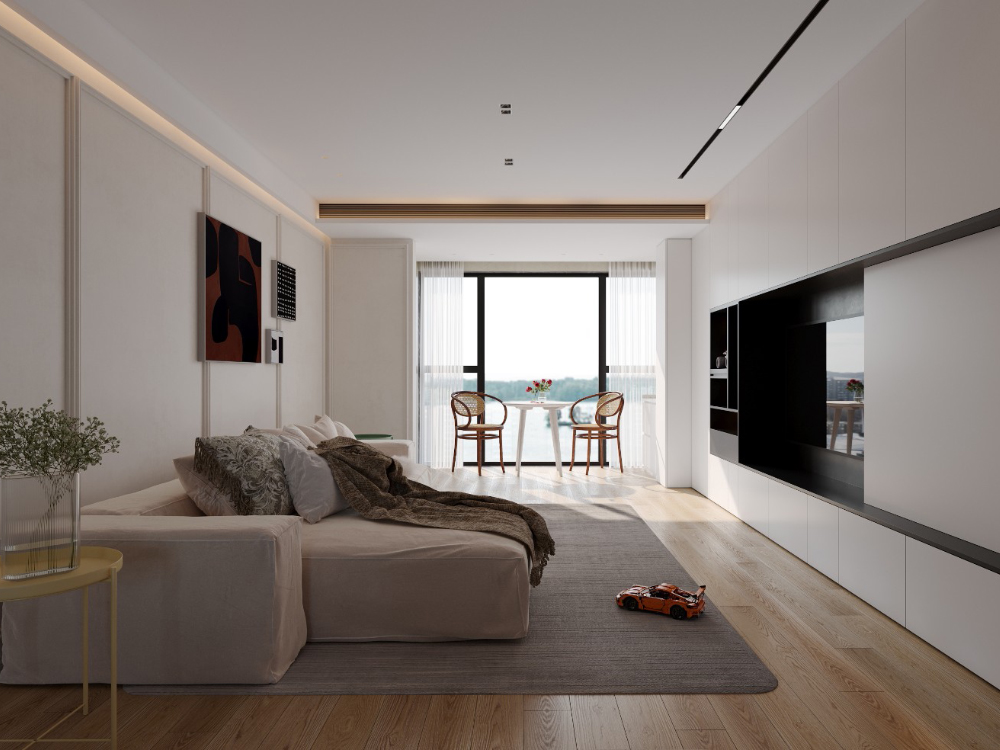
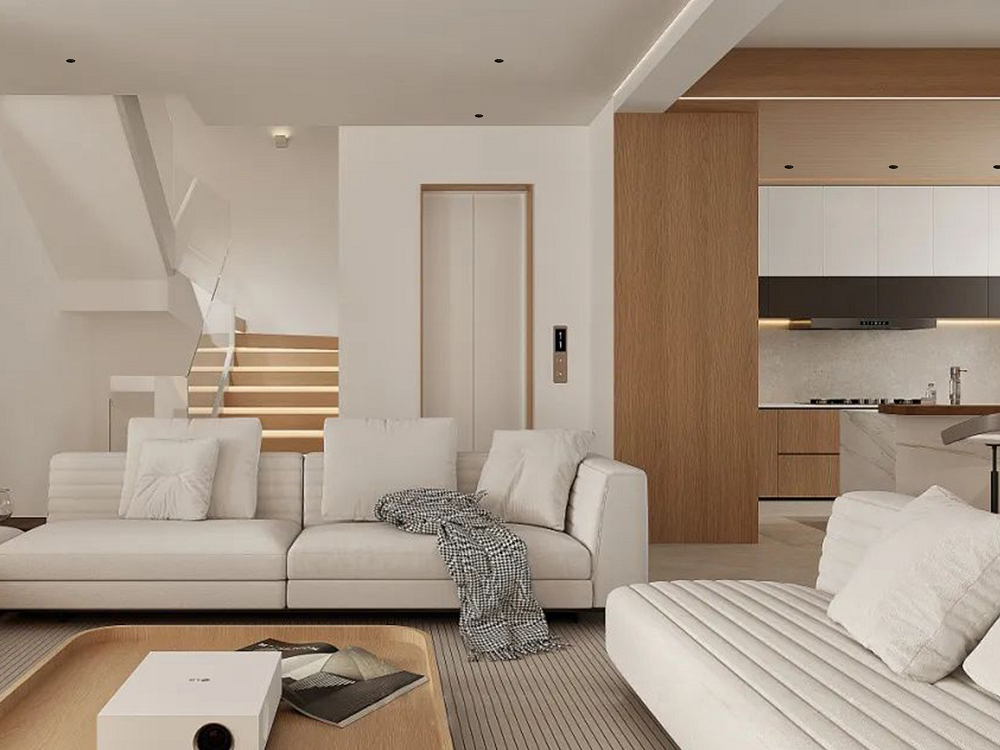
The living room is usually one of the most flexible spaces in a home. It may be used for watching TV, reading, entertaining guests, or simply relaxing at the end of the day. A single bright ceiling light rarely does all of these jobs well.
A layered lighting approach gives you much more control.
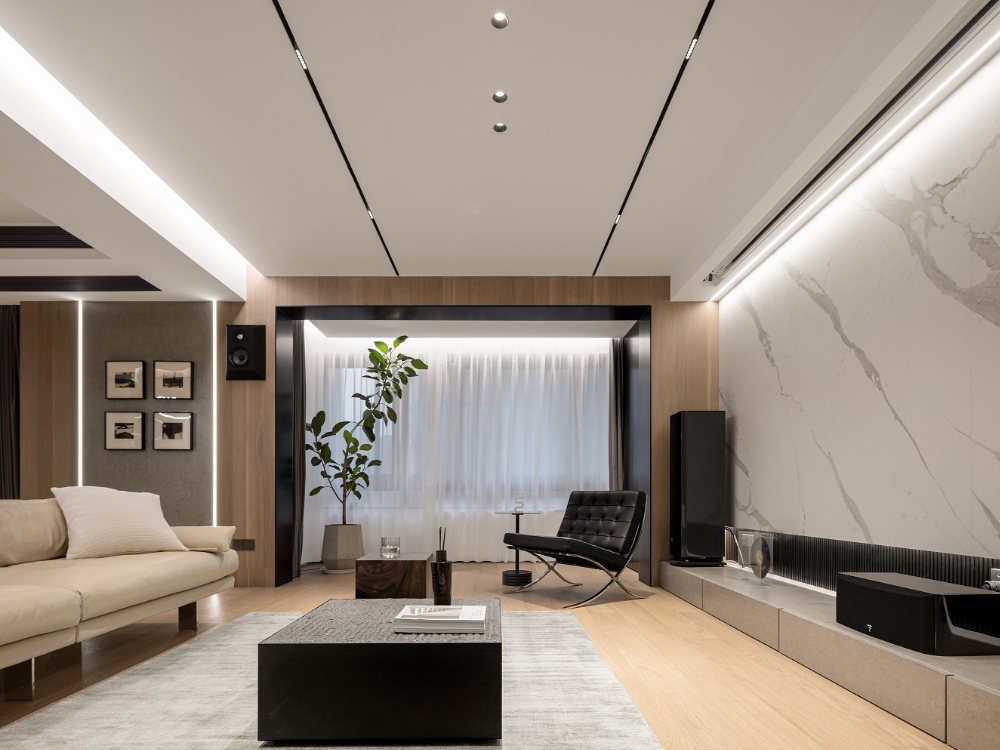
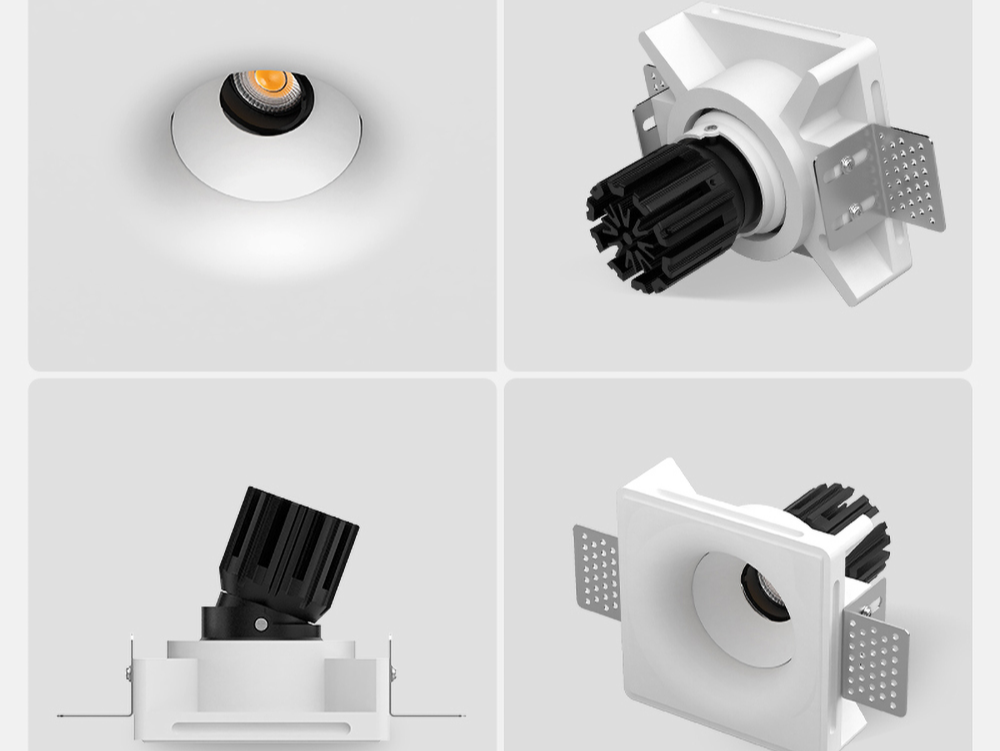
Start with ambient lighting to provide comfortable overall illumination. Recessed LED downlights can create a clean ceiling appearance while distributing light throughout the room. For areas that need more visual emphasis, adjustable recessed spotlights can direct light toward artwork, shelving, architectural features, or a statement piece of furniture.
Wall lighting and decorative fixtures can then add another layer. Instead of making every fixture equally bright, think about creating different levels of light throughout the room. This makes the space feel more dimensional and relaxed.
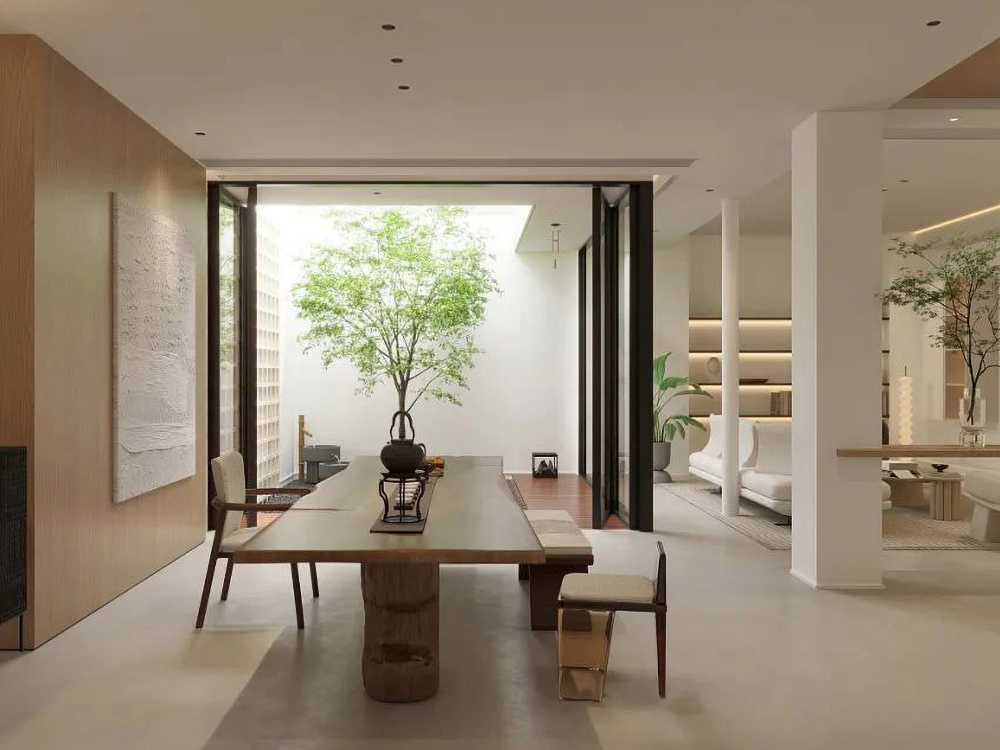
In the dining area, a pendant or chandelier can act as a visual focal point above the table. Meanwhile, recessed or accent lighting can provide additional illumination around the surrounding space.
The goal isn’t simply to make the room brighter. It is to give each part of the room a purpose.

Home Lighting Design – Bedroom Lighting: Keep It Soft and Comfortable
Bedrooms should feel different from kitchens, offices, or living rooms. This is where lighting temperature and intensity become especially important.
Warm white light is often a comfortable choice for bedrooms because it creates a softer and more relaxing atmosphere. Instead of relying on one strong overhead fixture, consider combining subtle ceiling lighting with bedside lamps, wall sconces, or indirect lighting.
Recessed lighting can provide general illumination while keeping the ceiling visually clean. Smaller recessed spotlights can also be used selectively rather than covering the entire ceiling with bright points of light.
For bedside reading, localized lighting is usually more practical than increasing the brightness of the entire room. A wall-mounted reading light or table lamp can provide focused illumination exactly where it is needed.
This combination allows the bedroom to transition easily from a bright morning space to a calm evening environment.

Home Lighting Design – Kitchen Lighting: Where Task Lighting Matters Most
The kitchen needs to work hard.
Unlike a bedroom or living room, the kitchen is primarily a task-oriented space. Food preparation, cooking, cleaning, and entertaining all require clear visibility. This makes task lighting especially important.
Recessed downlights can provide general illumination, but don’t forget the areas underneath cabinets and around countertops. These surfaces should receive enough light to reduce shadows while preparing food.
Color rendering is another important consideration. High-CRI LED lighting can help colors appear more natural, which is particularly useful in kitchens where you’re working with fresh ingredients and food.
For kitchen islands, a combination of recessed lighting and pendant fixtures can work especially well. Recessed spotlights provide functional illumination, while pendant lighting adds personality and creates a visual center for the room.
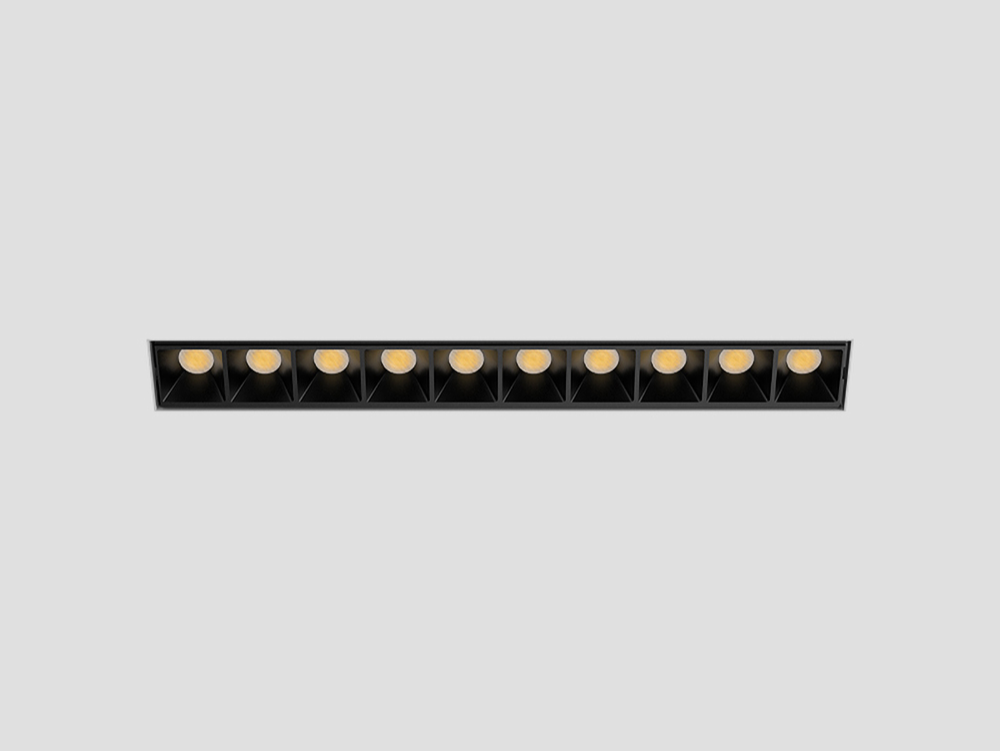
XRZLux also offers lighting solutions that combine recessed spotlights with magnetic track lighting, creating additional flexibility for modern residential interiors.

Home Lighting Design – Bathroom Lighting: Clear, Comfortable and Carefully Planned
Bathroom lighting needs to balance visibility, comfort, and the conditions of the space.
The vanity area deserves particular attention. Poorly positioned light can create strong shadows across the face, making everyday grooming more difficult. A combination of ceiling lighting and well-positioned mirror or wall lighting can provide more balanced illumination.
For general bathroom lighting, recessed fixtures can maintain a clean, minimal appearance. However, fixture selection should always take the installation environment into account.
For example, XRZLux’s IP44 recessed spotlight is designed for areas such as bathrooms and kitchens where moisture resistance is important.
The key is not to simply choose the brightest fixture available. A comfortable bathroom should have enough light for practical tasks without creating unnecessary glare.
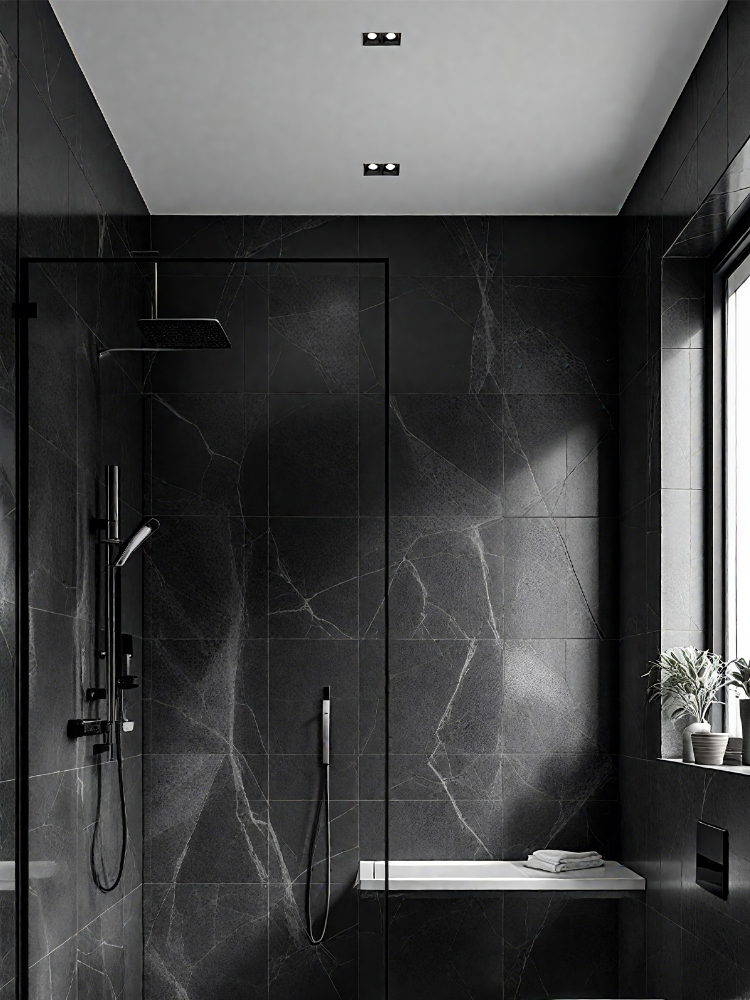
Home Lighting Design – Hallways and Transitional Spaces: Don’t Forget the In-Between Areas
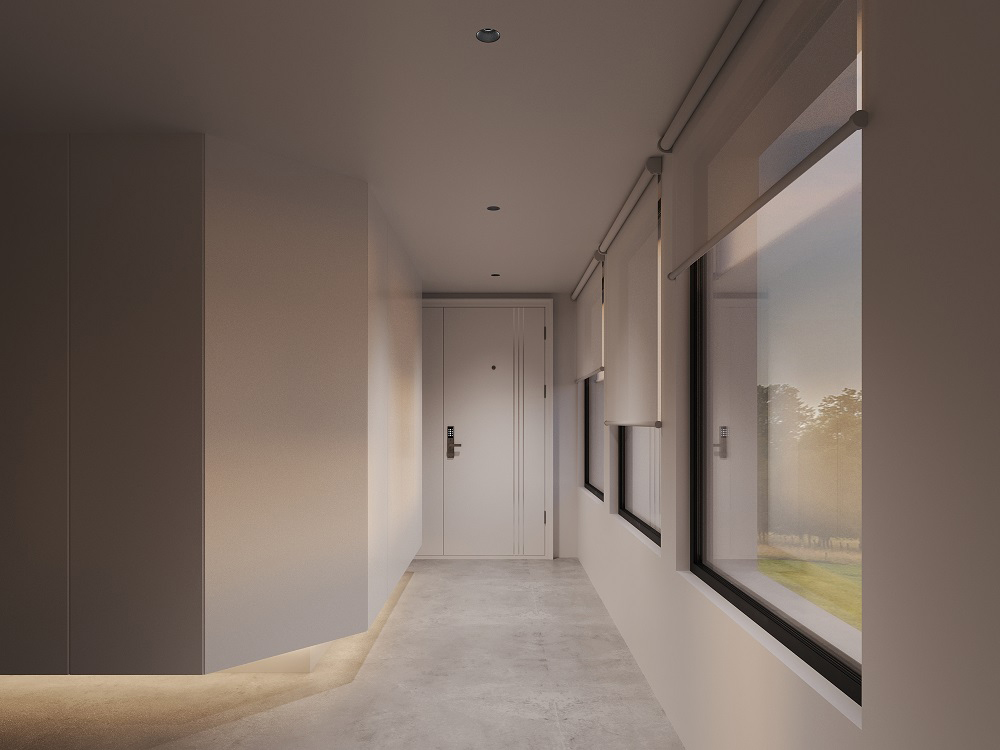
Hallways are sometimes overlooked when homeowners plan their lighting, yet they connect nearly every major room in the house.
Small recessed spotlights can provide clean, unobtrusive illumination while maintaining a consistent ceiling design. Wall lighting can also add visual interest to longer corridors, especially when used to highlight artwork, textured walls, or architectural details.
For narrow hallways, carefully spaced recessed fixtures can help create a sense of continuity without making the ceiling feel crowded.
These smaller spaces are also a great opportunity to use accent lighting. A subtle wall wash can turn an otherwise ordinary corridor into an intentional part of the home’s overall design.
Use Accent Lighting to Highlight What Makes Your Home Special
Not everything in a room needs the same amount of light. Sometimes, the best lighting design comes from deciding what not to illuminate.
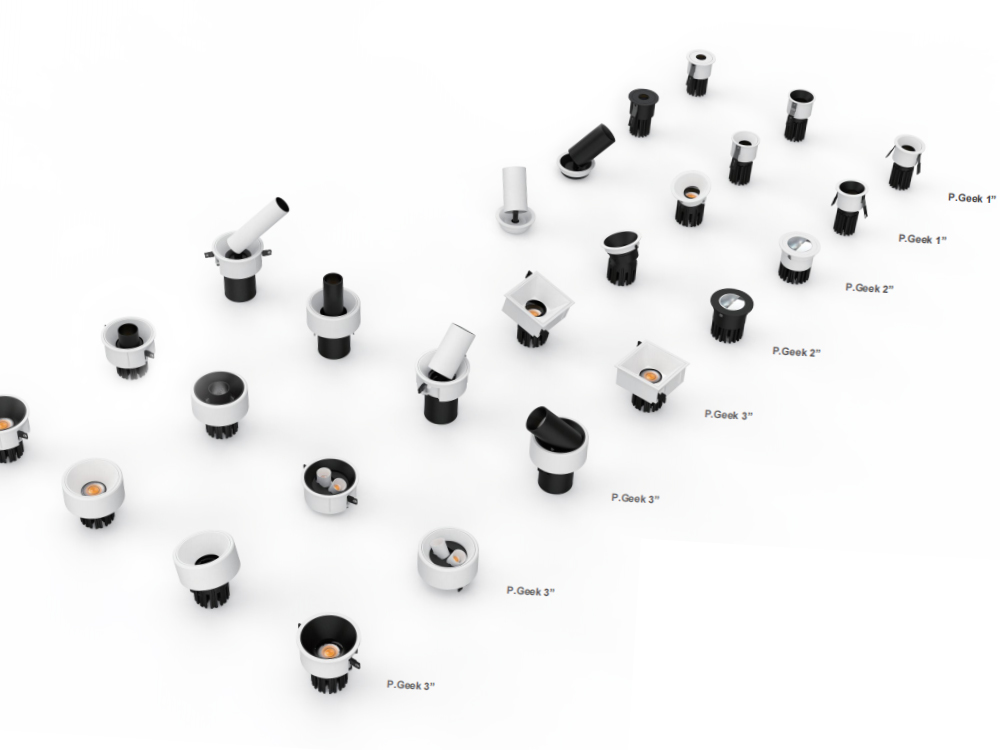
Accent lighting can draw attention to artwork, decorative objects, feature walls, shelving, or architectural details. Adjustable recessed spotlights are particularly useful because the light direction can be fine-tuned after installation. For example, XRZLux’s adjustable recessed spotlight designs can provide directional illumination for feature walls and display areas, helping designers control where the eye naturally goes.
Wall washer lighting offers another approach. Instead of focusing light on a small object, it spreads illumination across a wall to emphasize texture, artwork, or architectural surfaces.

Think in Layers, Not Fixtures
One of the easiest ways to improve a home’s lighting design is to stop thinking about individual fixtures and start thinking about layers of light.
A practical residential lighting plan can include:
- Ambient lighting for overall illumination
- Task lighting for cooking, reading, grooming, and other activities
- Accent lighting for artwork, furniture, and architectural features
- Decorative lighting for visual character and style
Not every room needs all four layers. The right combination depends on how the space is used.
A living room may benefit from recessed ambient lighting, accent spotlights, and decorative pendants. A bedroom may need softer ambient lighting with focused bedside illumination. A kitchen may prioritize bright task lighting with decorative pendants over the island.
This approach creates a home that feels more natural because the lighting responds to the way people actually use each room.
Lighting Should Support the Way You Live
Good residential lighting isn’t about filling every corner with light. It is about putting the right light in the right place.
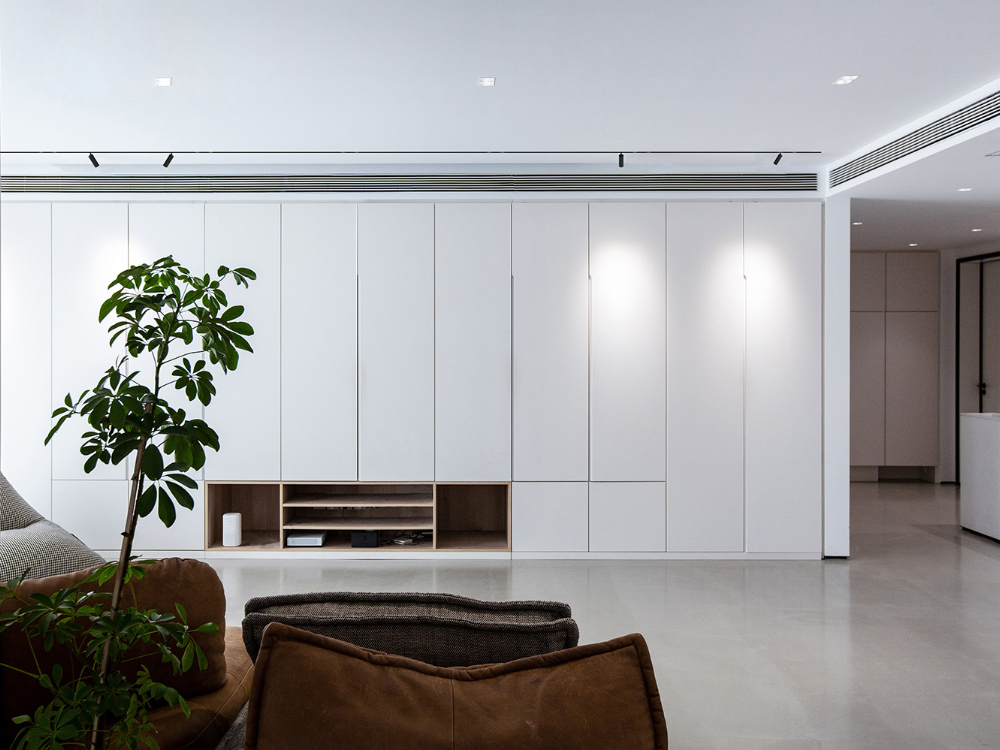
Modern recessed lighting can keep ceilings clean and minimal. Adjustable spotlights can direct attention toward the details that matter. Wall washers can add depth to architectural surfaces, while magnetic track lighting can provide flexibility when a room’s layout changes.
XRZLux focuses on architectural lighting solutions that combine optical performance, functional design, and clean aesthetics across different residential and commercial applications. Its product range includes recessed lighting, wall washer spotlights, gypsum lighting, and M19 magnetic track lighting systems.
Ultimately, the best lighting design is the one that feels almost effortless. You notice the room, the artwork, the materials, and the people in it—not just the fixtures above your head.
Good lighting doesn’t simply illuminate a home. It helps shape how the home feels and how you experience it every day.