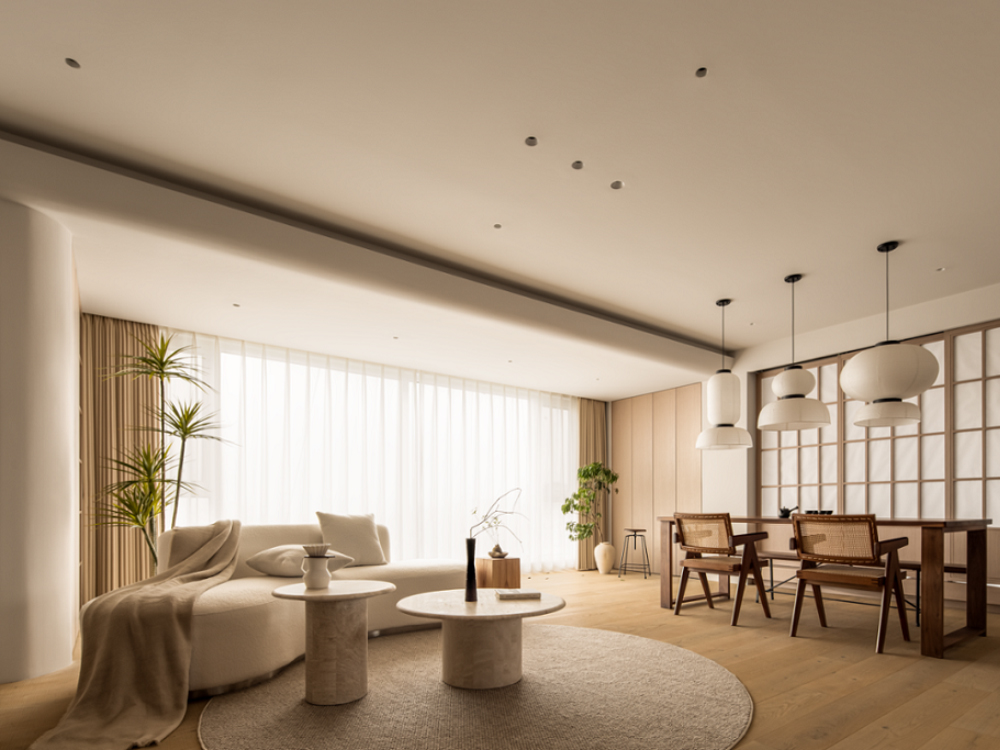
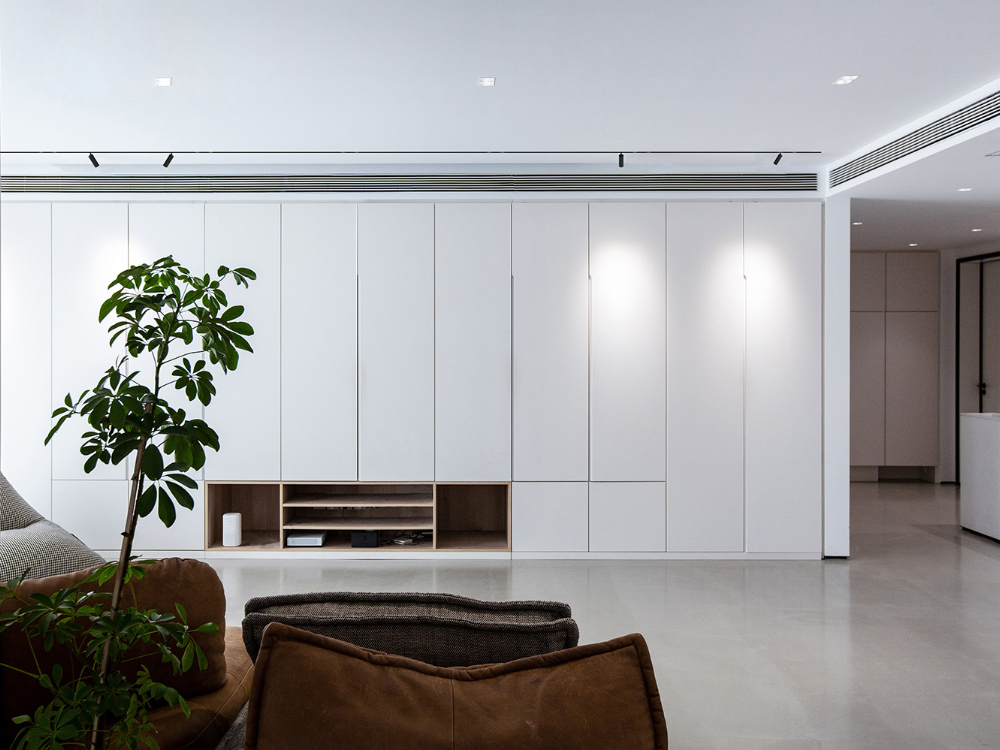
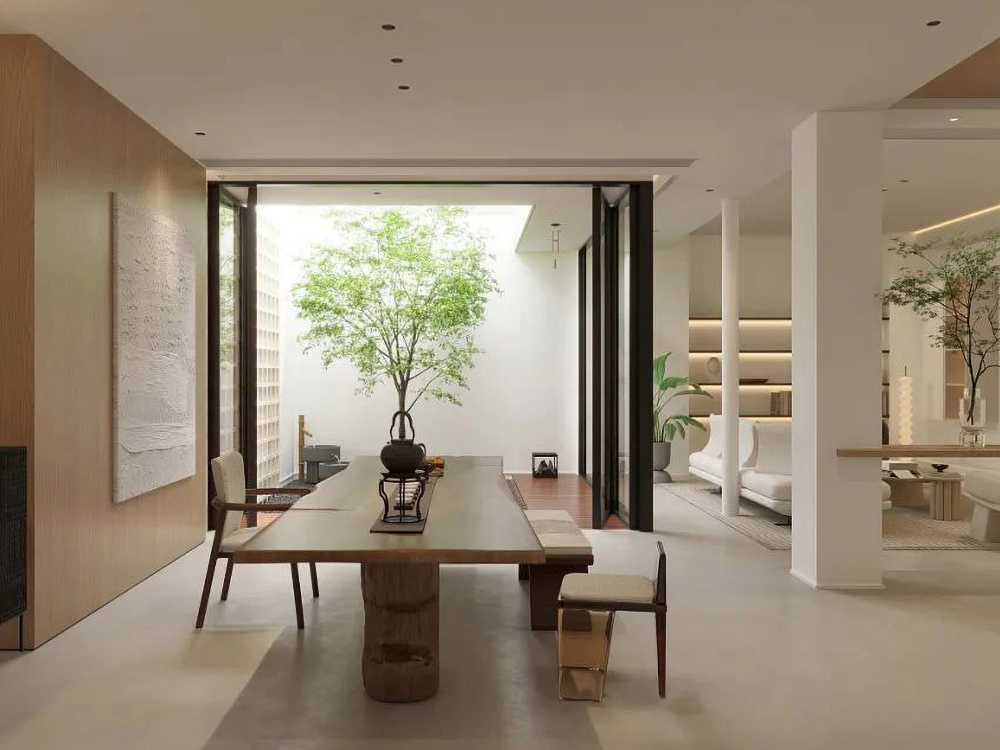
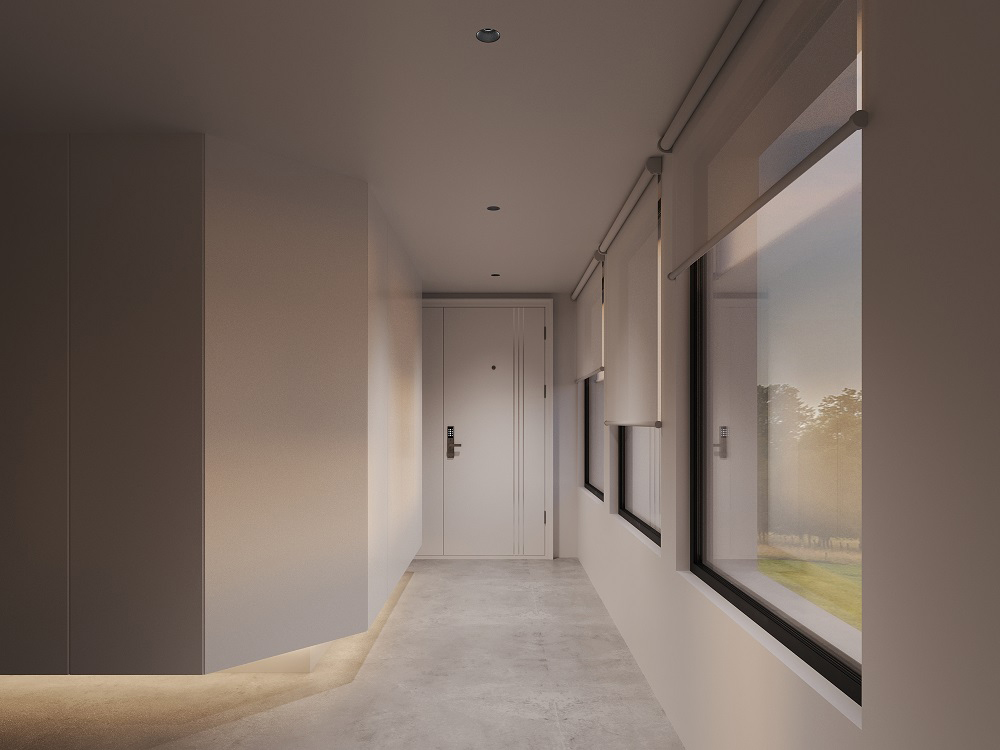
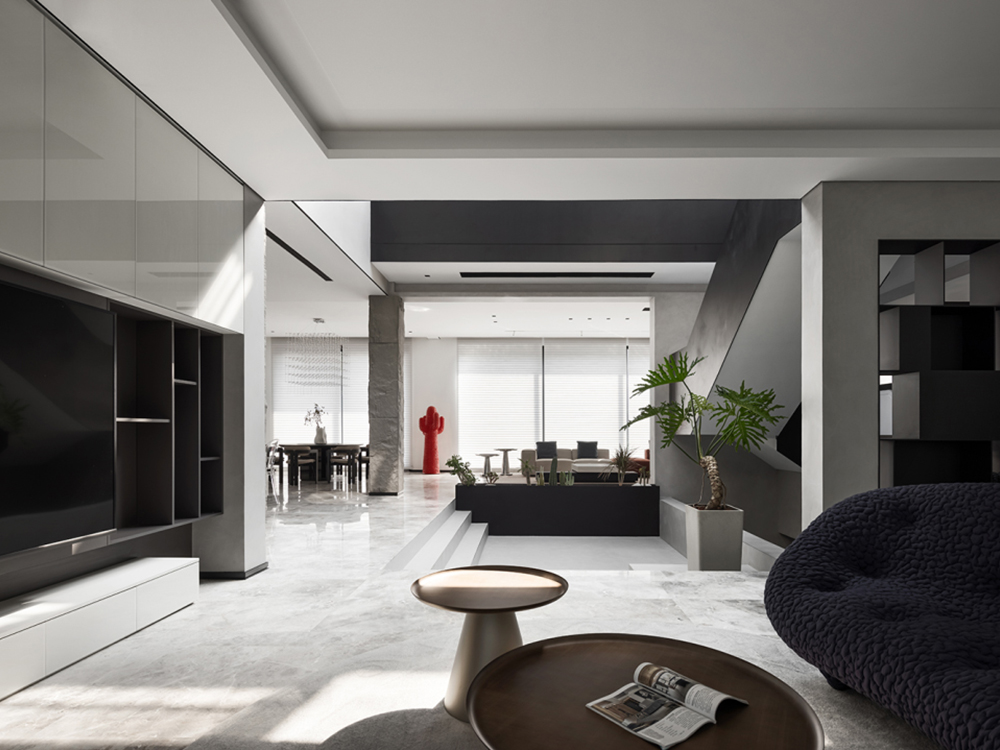
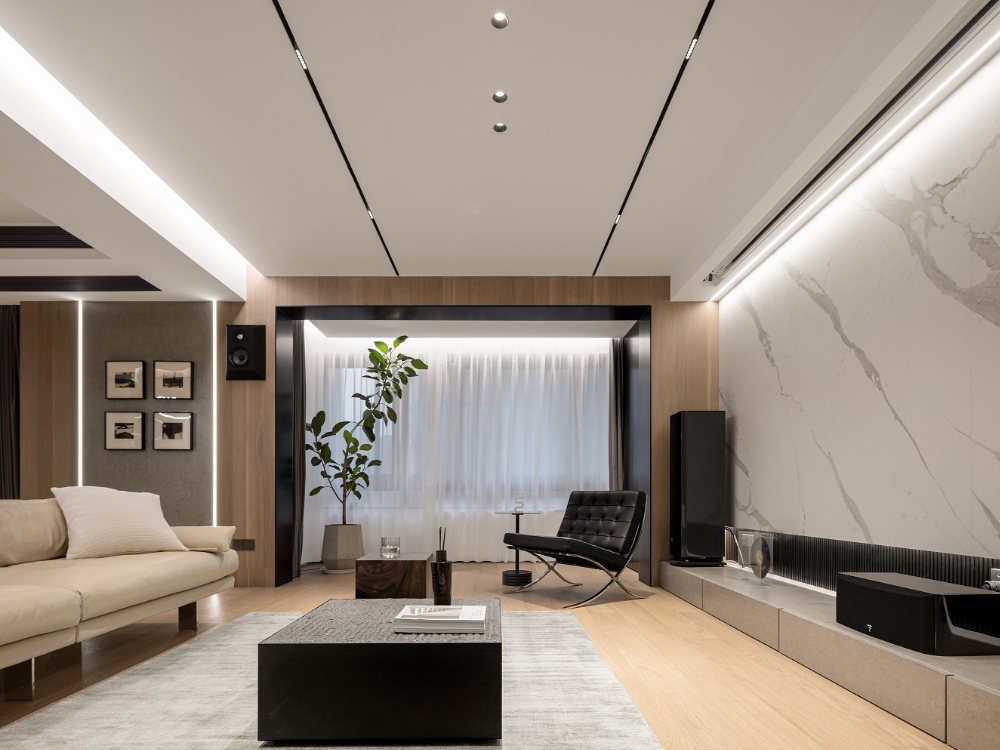
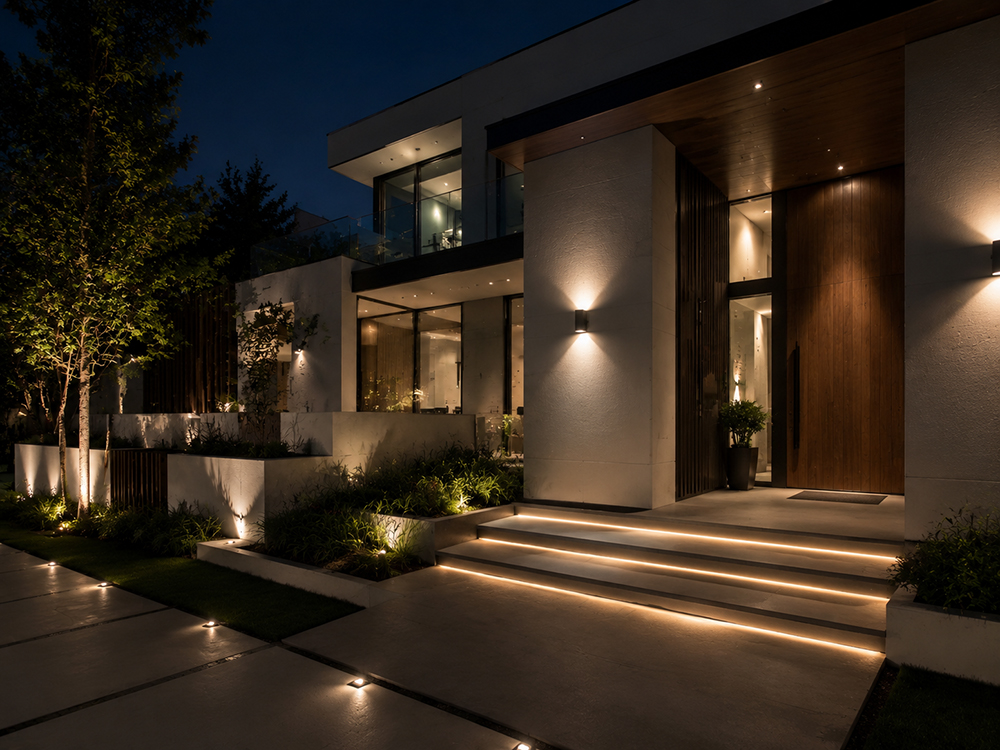
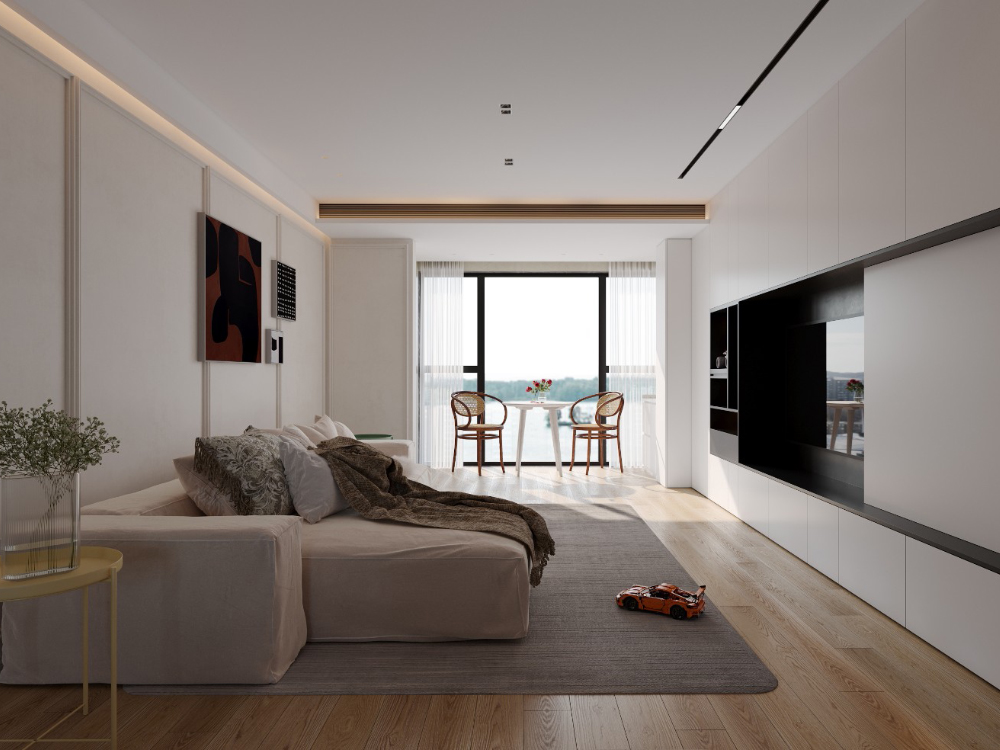
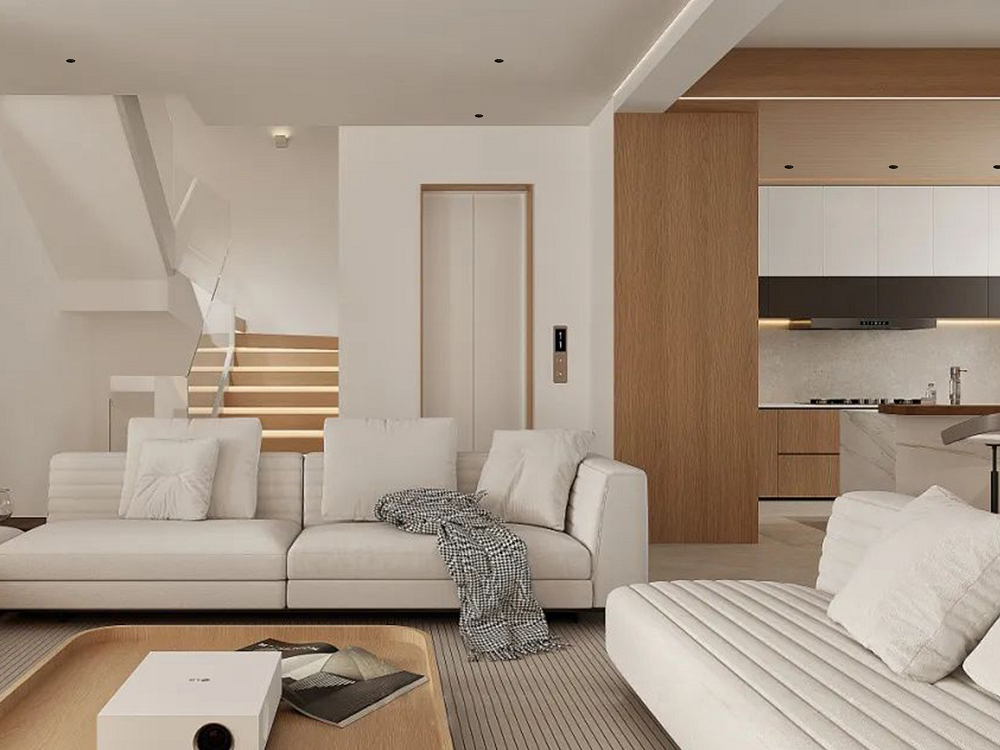
Recessed lighting may look simple: a small light installed into the ceiling, with the light shining down. But when you start comparing sizes, beam angles, trims, color temperatures, and different lighting functions, choosing the right fixture can quickly become confusing.
The good news is that you don’t need to be a lighting expert.
The easiest way to choose recessed lighting is to start with two basic questions:
What room are you lighting?
What do you want the light to do?
Once you know the answer, it becomes much easier to choose the right size, beam angle, color temperature, and installation style.
Whether you’re planning lighting for a living room, kitchen, bedroom, hallway, bathroom, or commercial space, this guide will help you choose recessed lights that look good and work well.
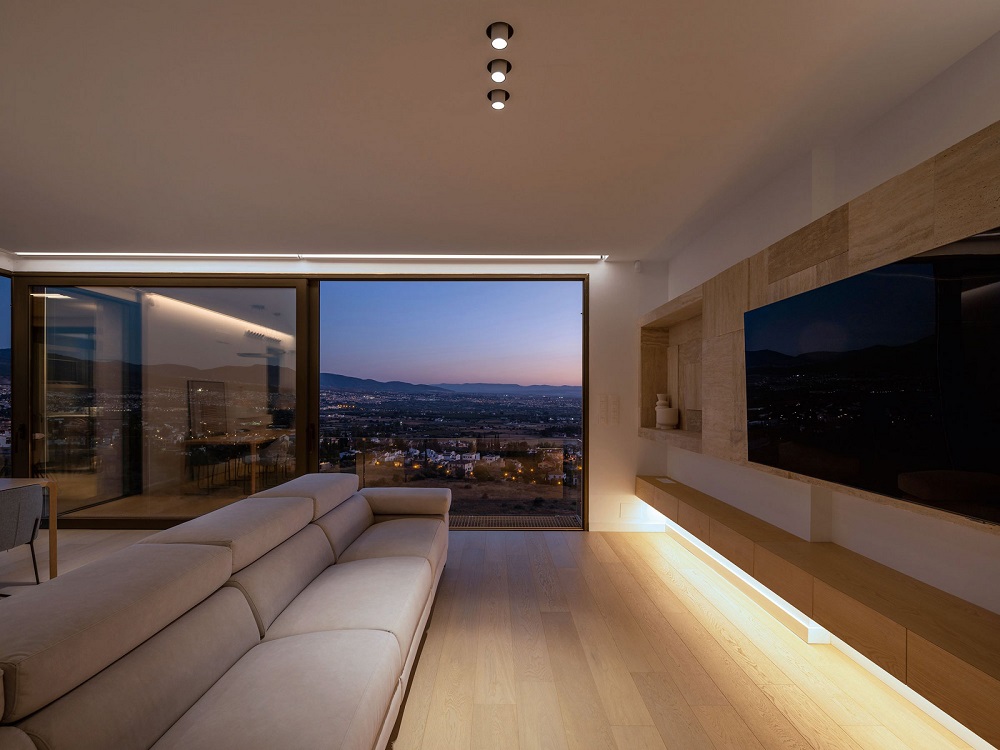
1. Start With the Purpose of the Light
Before choosing the fixture, think about how you want to use the light.
Do you want to brighten the whole room? Highlight artwork? Light up a wall? Or create a more comfortable atmosphere?
Most recessed lighting is used for three main purposes:
- General or ambient lighting
- Accent lighting
- Wall-wash lighting
Ambient Lighting
Ambient lighting is the main lighting in a room. It helps make the entire space bright enough for everyday activities.
For example, a group of recessed downlights can provide general lighting in a living room, bedroom, hallway, kitchen, or office.
For this type of lighting, look for:
- A wider beam angle
- Even light distribution
- Comfortable brightness
- Low-glare performance
- A color temperature that suits the room
You usually don’t need an adjustable spotlight for general lighting. A good fixed recessed downlight can provide clean and even illumination.
Accent Lighting
Accent lighting is used to highlight something specific instead of lighting the whole room evenly.
You can use it to highlight:
- Artwork
- Shelves
- Decorative walls
- Architectural details
- Dining tables
- Product displays
This is where adjustable recessed spotlights can be very useful. You can tilt or aim the light toward a specific object instead of having it shine straight down.
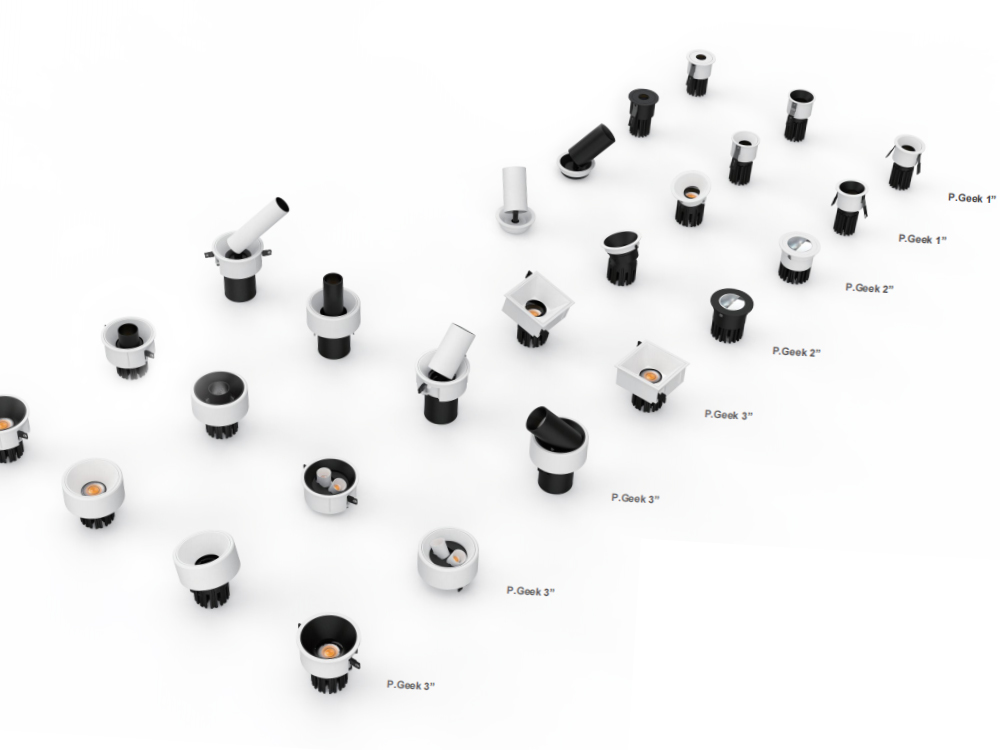
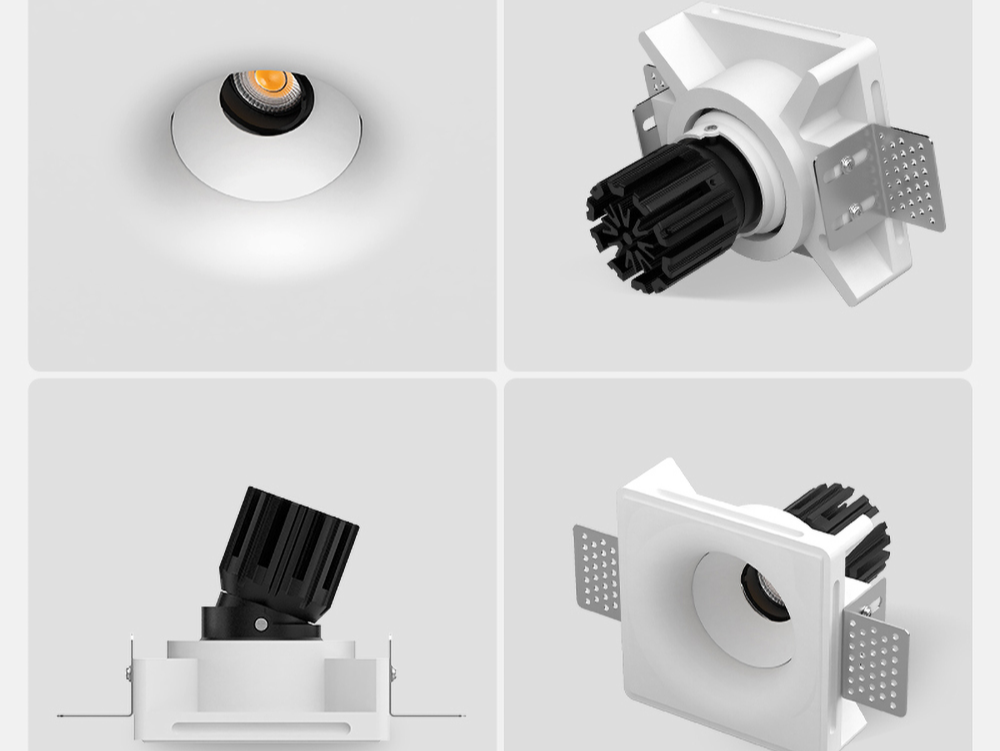
XRZLux offers adjustable recessed spotlight options for this type of application. The P.GEEK series includes different modules and beam angles, giving you more flexibility when planning accent lighting.
Wall-Wash Lighting
Want to make a feature wall stand out? Wall-wash lighting may be the right choice.
A wall-wash recessed light is installed closer to the wall and spreads light across the wall surface. This can make the wall look brighter and help bring attention to:
- Textured walls
- Artwork
- Decorative finishes
- Hallways
- Retail displays
- Architectural features
The goal is not simply to brighten the ceiling or floor. Instead, wall-wash lighting uses light to make the room feel more layered and visually interesting.

2. Choose the Right Recessed Lighting Size
Recessed lights come in different sizes, including 1-inch, 2-inch, 3-inch, and larger options.
The right size depends on the lighting effect you want, the ceiling design, and the amount of light you need. A larger light is not always better.
Smaller Recessed Lights
Small-aperture recessed lights are popular in modern interiors because they keep the ceiling looking clean and simple.
A 1-inch or 2-inch recessed light can be a good choice when you want:
- A minimal ceiling appearance
- Accent lighting
- Focused light
- A modern architectural look
- Smaller ceiling openings
XRZLux’s P.GEEK collection includes compact recessed lighting options, including 3-inch round and square designs. The collection also offers trim, trimless, and semi-recessed versions.
Larger Recessed Lights
Larger recessed lights can be useful when you need wider light coverage or higher light output.
However, you can also use several smaller fixtures instead of a few large ones. This often gives you better control over spacing, beam angles, and different layers of light.
So, don’t choose the fixture size based only on the size of the room. Think about how visible you want the light to be and where you want the light to go.

3. Trim or Trimless Recessed Lighting?
The choice between trim and trimless recessed lighting can make a big difference to the look of your ceiling.
What Is Trim Recessed Lighting?
Trim recessed lights have a visible edge around the ceiling opening.
They are a practical choice when you want:
- A clearly visible fixture edge
- A simpler installation process
- A familiar recessed-light appearance
- More flexibility for different ceiling types
The trim can also become part of the design. For example, black trim can create a stronger contrast, while white trim can blend into a white ceiling.
What Is Trimless Recessed Lighting?
Trimless recessed lighting is designed to blend more closely into the ceiling.
The mounting frame is installed into the drywall or plaster. After the ceiling is finished and painted, the light can look almost seamless.
Trimless recessed lighting is often chosen for:
- Minimalist homes
- Modern interiors
- High-end residential projects
- Architectural spaces
- Clean and simple ceiling designs
XRZLux’s P.GEEK series includes both trim and trimless options, so you can choose the style that works best for each area.
You also don’t have to use the same style everywhere. For example, trimless lights may work well in a living room or dining room, while trim fixtures may be more practical for a hallway or secondary space.
4. Consider Semi-Recessed Lighting
Fully recessed lighting is not always the best option.
Semi-recessed lighting sits partly below the ceiling. This makes the fixture slightly more visible while still keeping the overall look clean and modern.
Semi-recessed lights can be a good choice when you want:
- More visual presence than a trimless light
- Less projection than a surface-mounted fixture
- A modern but slightly more decorative ceiling
- The light fixture to become part of the interior design
XRZLux’s P.GEEK 3-inch collection includes semi-recessed options as well as trim and trimless designs.

5. Understand Beam Angle
Beam angle describes how widely the light spreads.
A narrow beam creates a more focused light, while a wide beam covers a larger area.
A simple way to remember it is:
- Narrow beam = focused light
- Medium beam = balanced light
- Wide beam = broader coverage
A narrow beam can work well for artwork, shelves, or decorative objects. A wider beam is usually better for general room lighting.
This is why two recessed lights with the same wattage can look completely different in the same room.
Instead of asking only, “How many watts does it use?” also ask: Where will the light go?
6. Look at CRI and Overall Light Quality
Brightness is important, but it is not the only thing that matters.
CRI stands for Color Rendering Index. It tells you how naturally a light source shows colors. A higher CRI usually makes furniture, food, artwork, fabrics, and finishes look more accurate.
For many residential and commercial applications, a CRI of 90 or higher is a popular choice.
High-CRI recessed lighting can be especially useful in:
- Kitchens
- Dining rooms
- Living rooms
- Dressing areas
- Art galleries
- Retail stores
If you want colors and materials to look natural, don’t choose a recessed light based only on brightness. Check the CRI as well.
XRZLux offers high-CRI recessed spotlight options for residential and commercial lighting projects.
7. Choose the Right Color Temperature
Color temperature affects how warm or cool a room feels.
Here is a simple guide:
| Color Temperature | How It Feels | Suitable Spaces |
| 2700K | Warm and cozy | Bedrooms, living rooms |
| 3000K | Warm and comfortable | Living rooms, dining rooms, bedrooms |
| 3500K–4000K | Clean and neutral | Kitchens, bathrooms, offices |
| 5000K | Cool daylight | Garages, workshops, utility areas |
There is no single color temperature that works for every room.
For most homes, 2700K to 3000K is a comfortable starting point. Kitchens, bathrooms, offices, and work areas may look better with a more neutral 3500K to 4000K light.
If possible, try to keep the color temperature consistent within the same room. Mixing very warm and very cool lights can make the space feel uneven.
8. Check the IP Rating for Damp Areas
Not every recessed light is suitable for every location.
If you are choosing lighting for a bathroom, balcony, covered outdoor area, or another space where moisture may be present, check the fixture’s IP rating before installation. The IP rating shows how well the fixture is protected against dust and water.
XRZLux offers recessed spotlight options with ratings including IP20, IP44, and IP65, so different products can be used for different environments.
An IP65 recessed spotlight may be a suitable option when stronger protection against dust and water is needed. XRZLux’s IP65 trimless spotlight combines a compact 2-inch recessed design with an aluminum housing and focused light output.
Always check the product specifications and local electrical requirements. Do not assume that every recessed light can be used in a bathroom or outdoor location.
9. Pay Attention to Heat Dissipation
LED lights use less energy than traditional light sources, but they still produce heat.
Because recessed lights are installed inside the ceiling, there is limited space around the light source. Good heat management can help support stable performance and a longer service life.
Aluminum is commonly used in architectural LED lighting because it helps move heat away from the LED module.
XRZLux’s P.GEEK series uses cold-forged aluminum for heat dissipation. According to the manufacturer, this design provides approximately twice the heat-dissipation performance of traditional die-cast construction.
The P.GEEK series also uses a modular design, which makes it easier to choose different optical and functional configurations.
When comparing recessed lights, don’t look only at the front of the fixture. The housing, heat sink, and internal construction also matter.
10. Check the Installation Requirements
Even the best recessed light will not work well if it does not fit your ceiling.
Before choosing a fixture, check:
- Ceiling type
- Available ceiling depth
- Cutout size
- New construction or remodel installation
- Insulation conditions
- Junction box requirements
- Dimming compatibility
- Local electrical codes
If insulation will touch the fixture housing, you may need an IC-rated recessed light. Always check the manufacturer’s installation instructions and local regulations before installation.
Trimless recessed lighting also requires careful ceiling preparation. The frame is installed into the drywall or plaster, then covered and finished so the light blends into the ceiling.
For this reason, trimless lighting is often easier to plan during new construction or a major renovation.
11. Choose Recessed Lighting Based on the Room
Different rooms need different types of lighting.
Living Room
For a living room, consider:
- 2700K–3000K color temperature
- High CRI
- Low-glare lighting
- Adjustable spotlights for artwork
- Wall-wash lighting for feature walls
- Trimless fixtures for a clean, modern ceiling
Kitchen
For a kitchen, consider:
- 3000K–4000K color temperature
- High CRI
- Wider beam angles for general lighting
- Focused light over countertops and work areas
- A suitable IP rating where moisture may be present
Bedroom
For a bedroom, consider:
- 2700K–3000K color temperature
- Soft, low-glare light
- Dimming capability
- Small-aperture recessed lights
- Adjustable lights for reading areas or decorative features
Hallway
For a hallway, consider:
- Compact recessed lights
- Trim or trimless fixtures
- Wall-wash lighting
- Narrow or medium beam angles
- Even spacing between fixtures
Bathroom
For a bathroom, consider:
- A suitable damp- or wet-location rating
- A comfortable color temperature
- High CRI
- Low-glare optics
- Installation that follows local electrical codes
Commercial and Retail Spaces
For commercial or retail projects, consider:
- High CRI
- Adjustable spotlights
- Narrow or medium beam angles
- Wall-wash lighting
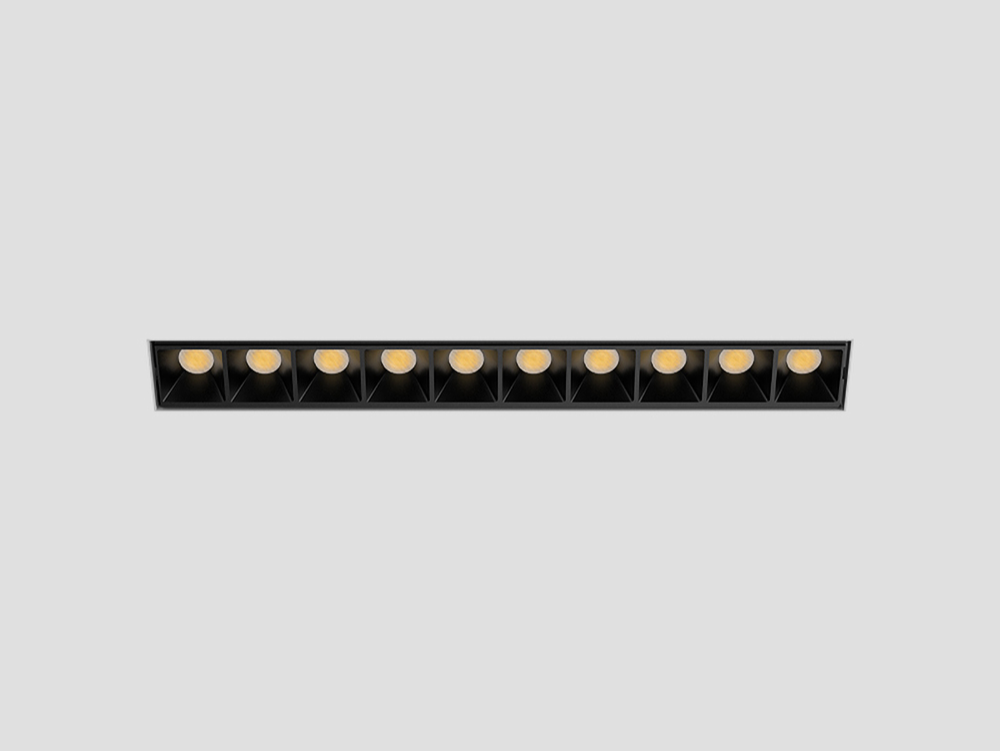
- Modular lighting systems
- Flexible track or magnetic lighting for changing displays

The Best Recessed Light Is Not Always the Brightest
When people choose recessed lighting, they often focus on wattage or lumens.
But good lighting is not just about making a room brighter. It is about putting the right amount of light in the right place.
The right recessed light should offer a good balance of:
Size + beam angle + brightness + CRI + color temperature + installation style + IP rating
For example, a compact 2-inch spotlight with a narrow beam may be perfect for artwork. A wider-beam downlight may be better for general room lighting. A trimless fixture can create a clean, minimalist ceiling, while a semi-recessed light can add more visual character.
That is why there is no single “best recessed light” for every room.
The better question is:
What do you want the light to do?
Once you know the answer, choosing the right recessed lighting becomes much easier.
For projects that need compact apertures, trim, trimless, semi-recessed, adjustable, wall-wash, and different IP-rated options, the XRZLux P.GEEK recessed lighting collection offers a flexible starting point for modern residential and commercial lighting designs.