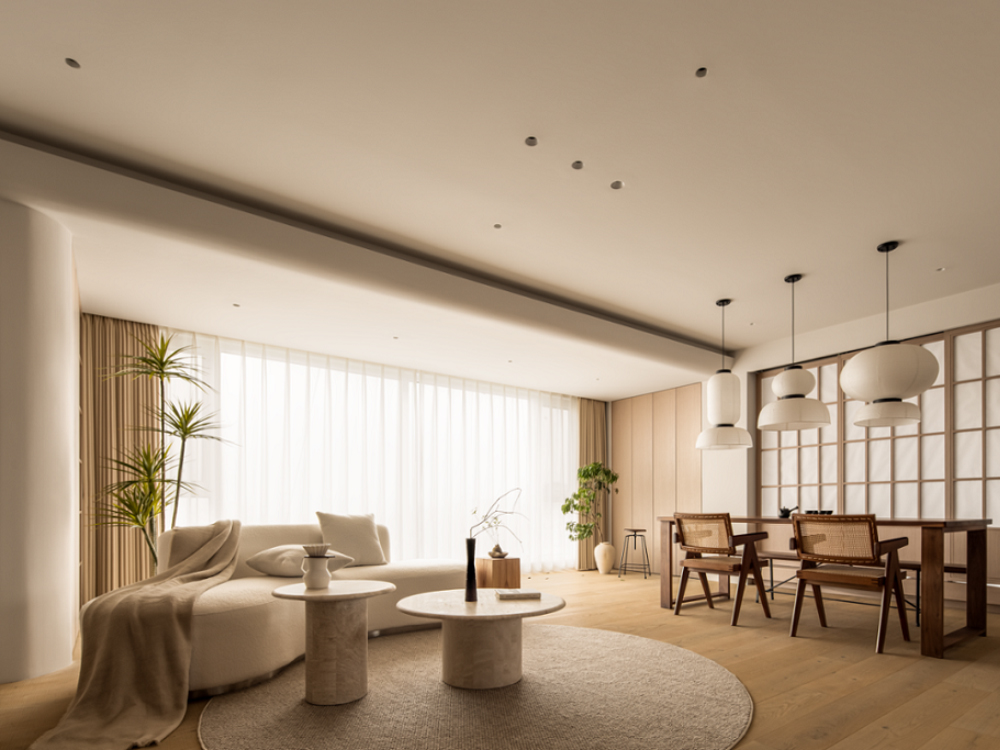
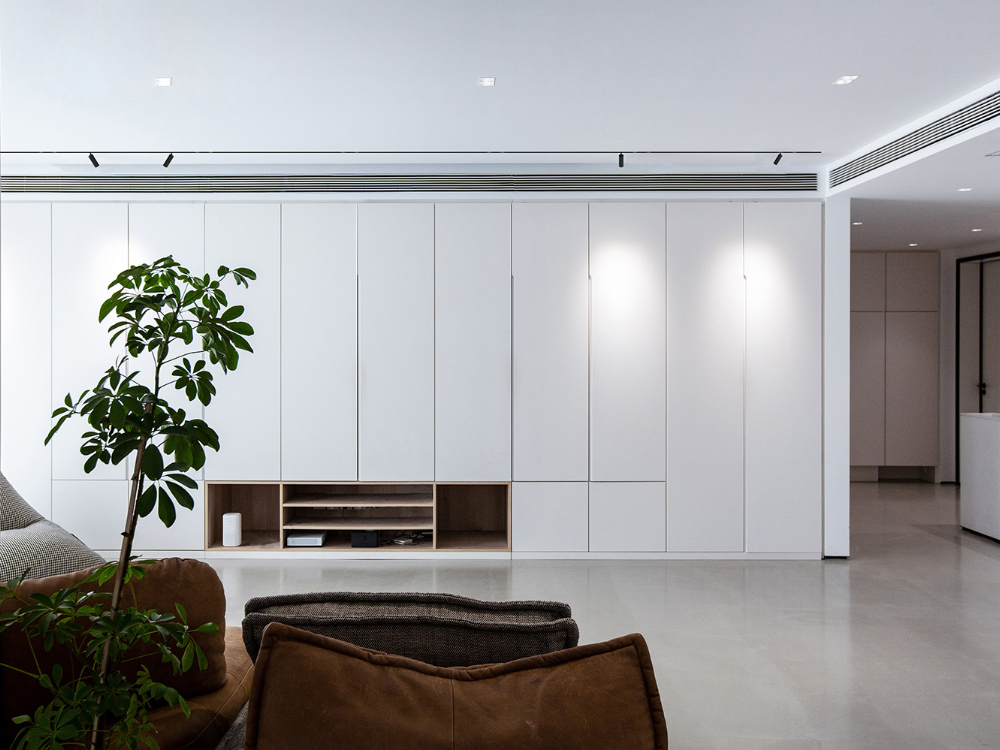
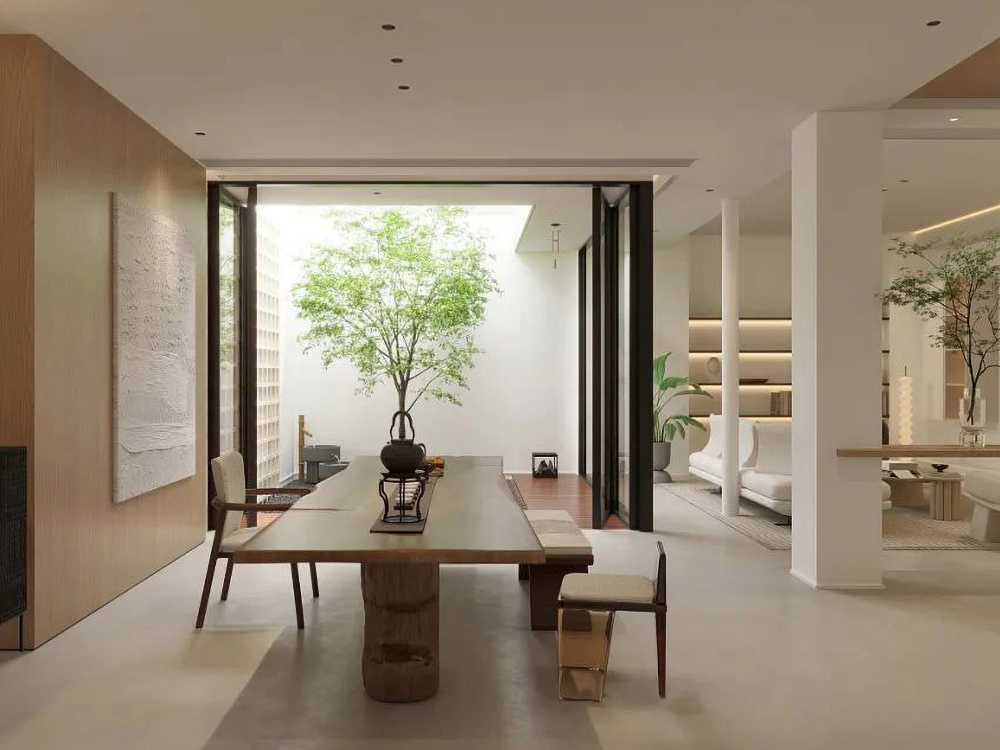
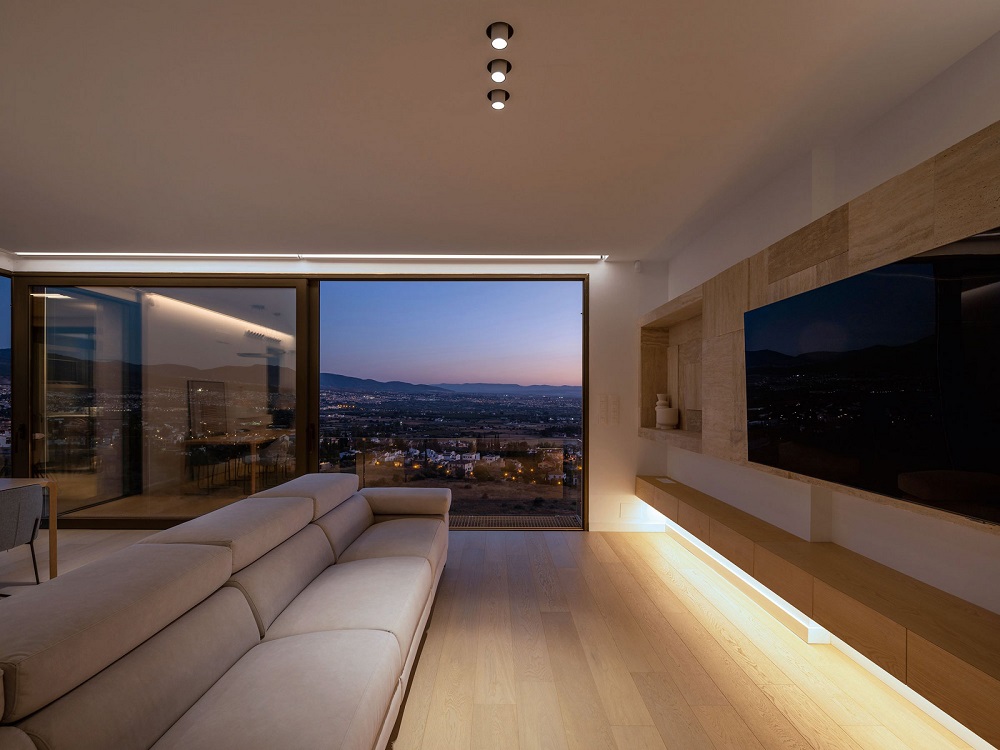
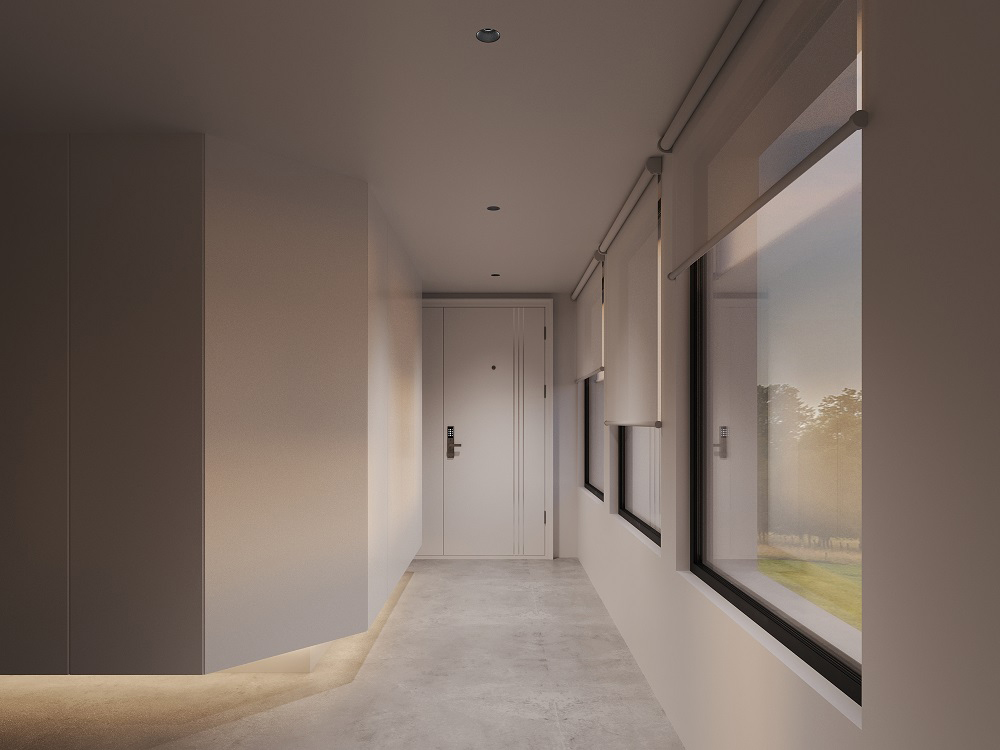
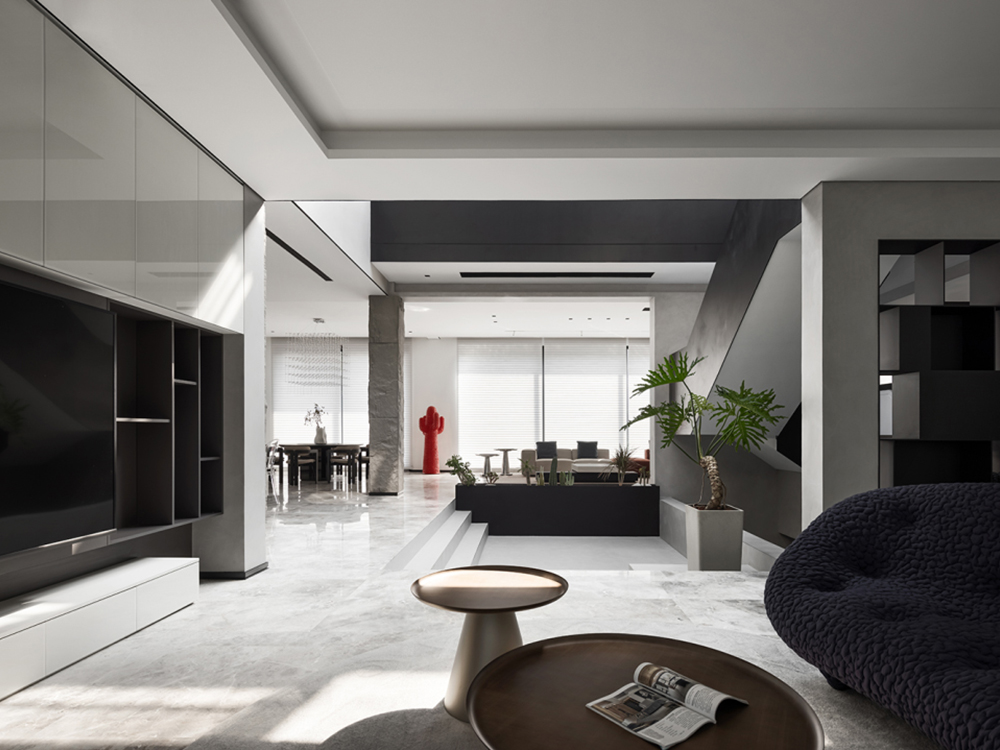
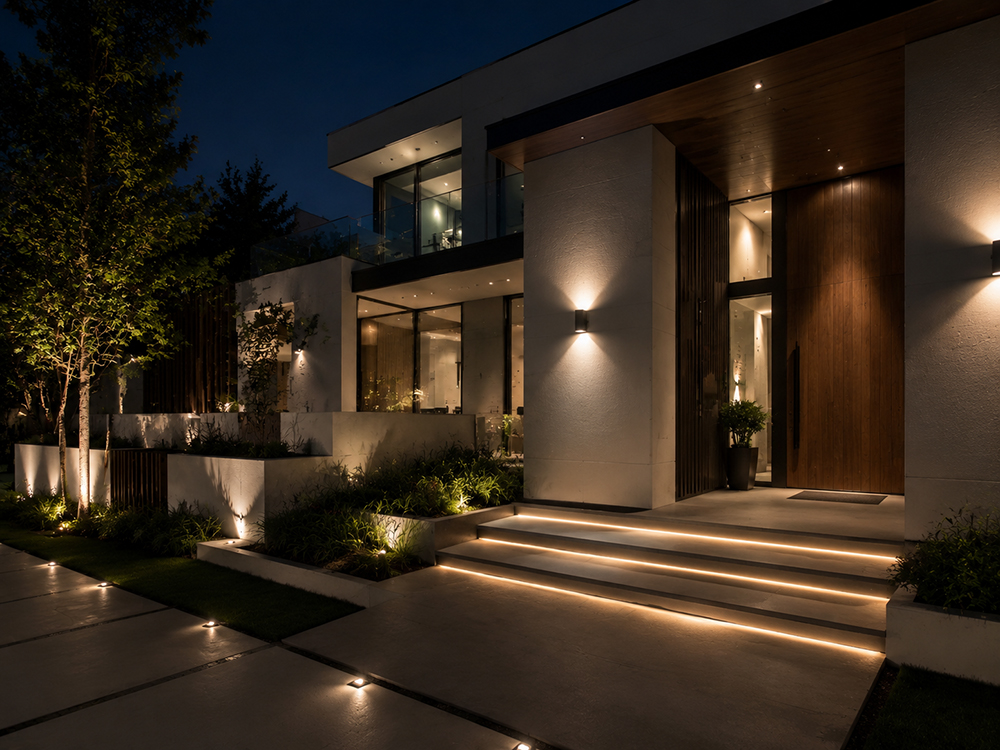
Lighting does more than help us see. It can make a room feel larger, warmer, more focused, or more dramatic
—sometimes without changing anything else in the space. That is why good lighting design is rarely about installing one type of fixture and calling it done. A single layer of general lighting may provide enough brightness, but it often leaves a room feeling flat or overly uniform. Layered lighting takes a different approach. By combining different types of light for different purposes, you can create a space that feels more comfortable, functional, and visually interesting. From recessed lighting and magnetic track spotlights to decorative fixtures and natural daylight, each layer has a specific role. When these layers work together, lighting becomes part of the architecture rather than something added at the end.
What Is Layered Lighting?
Layered lighting is a lighting design approach that combines multiple sources of light instead of relying on one fixture or one brightness level. The goal isn’t simply to make a room brighter. It is to decide where light is needed, what should attract attention, and how the space should feel at different times of the day. A well-designed space typically combines five lighting layers:
- Accent Lighting
- Task Lighting
- Daylight
- Decorative Lighting
- Ambient Lighting
You don’t necessarily need all five in every room. The right combination depends on the function, architecture, and atmosphere you want to create.
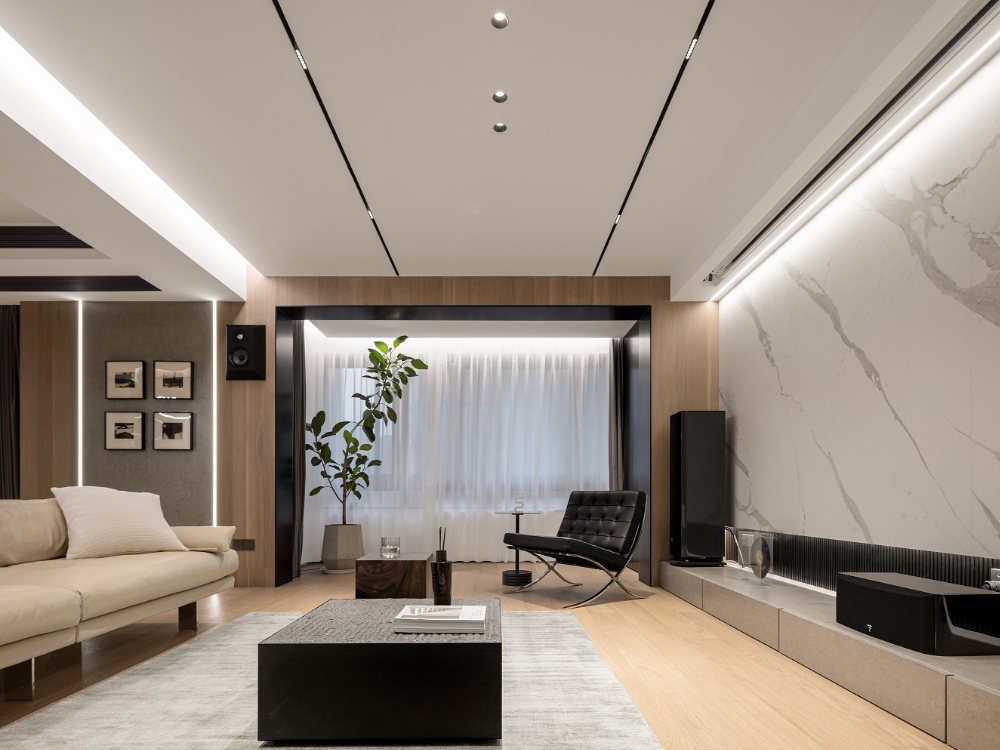
1. Accent Lighting: Give Important Details the Spotlight
Accent lighting is used to draw attention to specific features within a space.
Think artwork, textured walls, architectural details, shelving, product displays, or a beautiful piece of furniture. Instead of lighting everything equally, accent lighting creates a visual hierarchy and tells people where to look.
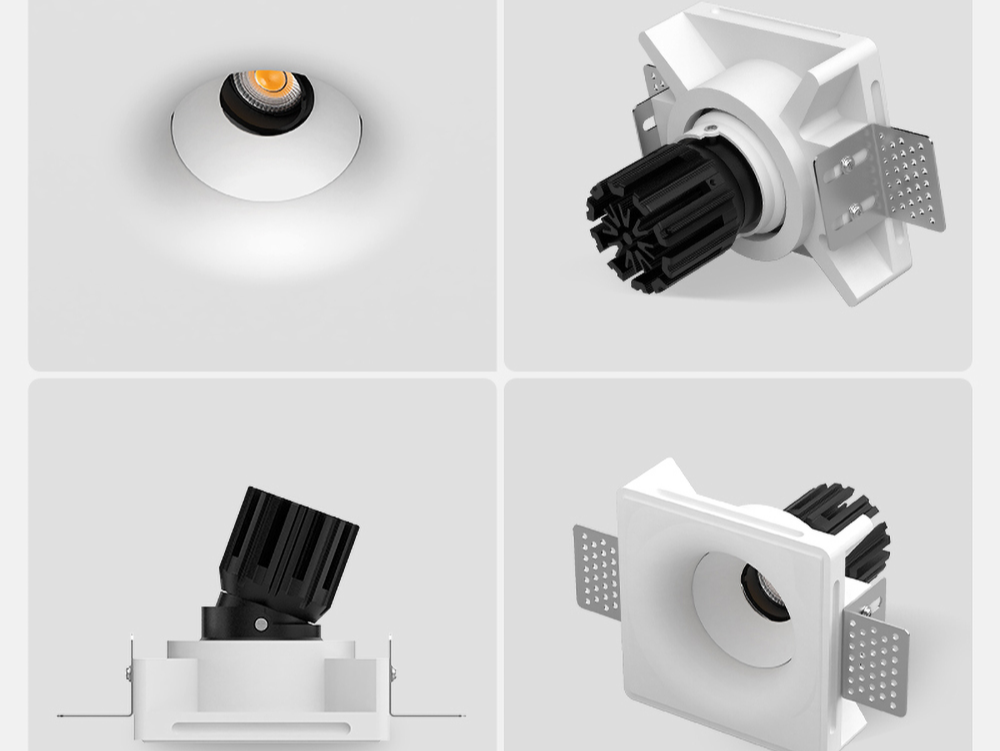
This is where recessed spotlights, wall washers, and adjustable LED spotlights can be particularly useful.
For example, a recessed spotlight can highlight artwork without becoming the focal point itself. A wall-washing fixture can brighten a vertical surface and make the room feel more spacious.
There is another benefit that is easy to overlook: brightly illuminated vertical surfaces can make a space appear brighter overall.
This makes accent lighting useful in residential interiors, retail stores, galleries, hospitality spaces, and modern offices.
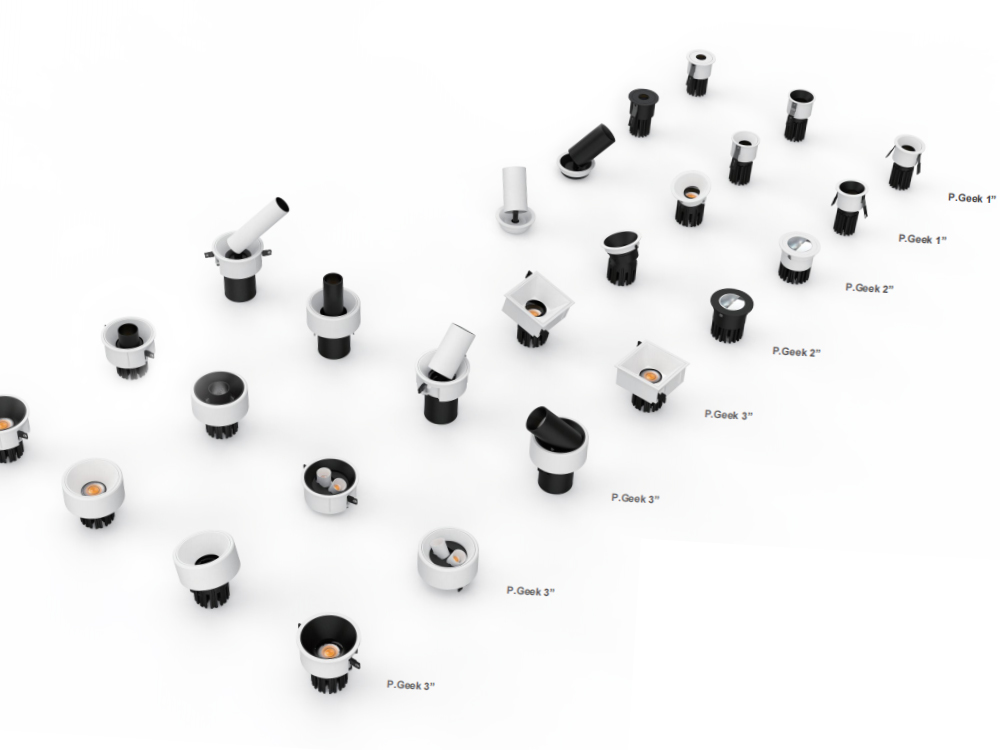
XRZLux offers recessed spotlight solutions designed around controlled light distribution and clean architectural integration. The P.Geek recessed series, for example, is available in compact sizes and multiple beam-angle configurations, making it suitable for different accent-lighting applications.

2. Task Lighting: Put the Light Where You Actually Need It
Task lighting is all about function.
A dining table, kitchen worktop, desk, reading area, or bathroom vanity doesn’t need the same lighting level as the rest of the room. Instead of increasing brightness everywhere, task lighting concentrates illumination exactly where an activity takes place.
This approach can improve both visual comfort and energy efficiency. For example:
- A focused light over a dining table makes meals feel more inviting.
- A well-positioned light over a desk supports reading and computer work.
- Focused lighting at a kitchen counter helps with food preparation.
- Vanity lighting provides useful illumination for everyday grooming.
Recessed LED spotlights and magnetic track lighting are particularly flexible for these applications because they can provide more targeted illumination without visually overwhelming the ceiling.
The key is simple: don’t light the entire room when you only need more light in one area.

3. Daylight: The Most Natural Layer
Before adding more artificial lighting, look at what natural light is already doing.
Windows, skylights, and other openings can provide useful daylight while connecting the interior with the outdoors. Good lighting design considers daylight early rather than treating it as an afterthought.
Natural daylight can:
- Reduce the need for artificial lighting during the day
- Make colors appear more natural
- Provide visual connection to the outdoors
- Improve the overall sense of openness
- Reduce energy consumption when properly controlled
Of course, too much daylight can also create glare or unwanted heat gain. That’s why window orientation, shading, blinds, and lighting controls should be considered together.
The goal isn’t to eliminate artificial lighting. Instead, daylight and electric lighting should complement each other.
As daylight fades, the other lighting layers can gradually take over.

4. Decorative Lighting: Add Personality to the Space
Decorative lighting is often described as the “jewelry” of an interior—and the comparison makes sense.
Pendant lights, wall sconces, statement fixtures, and other decorative luminaires can add personality, style, and visual interest.
Unlike accent lighting, which is mainly intended to highlight an object or architectural feature, decorative lighting can itself become part of the design.
A pendant above a dining table, for example, can provide some useful illumination while also becoming a strong visual element. However, decorative fixtures shouldn’t always be expected to do all the heavy lifting.
Their primary role is often visual rather than purely functional. Pairing decorative lighting with recessed downlights or other ambient sources can create a much more balanced result.
5. Ambient Lighting: Build the Foundation
Ambient lighting provides the general illumination that allows people to move comfortably through a space.
It is often the first lighting layer people think about—and the easiest one to overdo.
If ambient lighting is too bright, a room can feel flat and lack depth. If it is too dim compared with accent or task lighting, the space can feel dramatic, intimate, or even slightly mysterious.
Neither approach is automatically right or wrong. It depends on the atmosphere you’re trying to create. For a bright kitchen or office, ambient lighting may need to be relatively strong. For a restaurant, lounge, bedroom, or hospitality environment, lower ambient light combined with stronger accent lighting can create a warmer and more relaxing atmosphere.
This is why ambient lighting is not simply about brightness. It’s about contrast.

Why Do Lighting Layers Matter?
Layered lighting can completely change the way people experience a room.
- Better Functionality
Task lighting puts illumination where activities actually happen, while ambient lighting provides comfortable general visibility.
- More Visual Comfort
Combining different light sources can reduce the need for one extremely bright ceiling light. Properly positioned fixtures can also help control glare and harsh shadows.
- A Stronger Sense of Space
Lighting vertical surfaces, architectural features, and selected objects can create depth and make a compact room feel more open.
- More Flexible Atmosphere
A space doesn’t need to look the same at 9 a.m. and 9 p.m. With multiple lighting layers and appropriate controls, the atmosphere can change throughout the day.
- More Personality
Decorative and accent lighting allow lighting to become part of the interior design rather than simply a technical requirement.
How to Combine Recessed and Magnetic Track Lighting
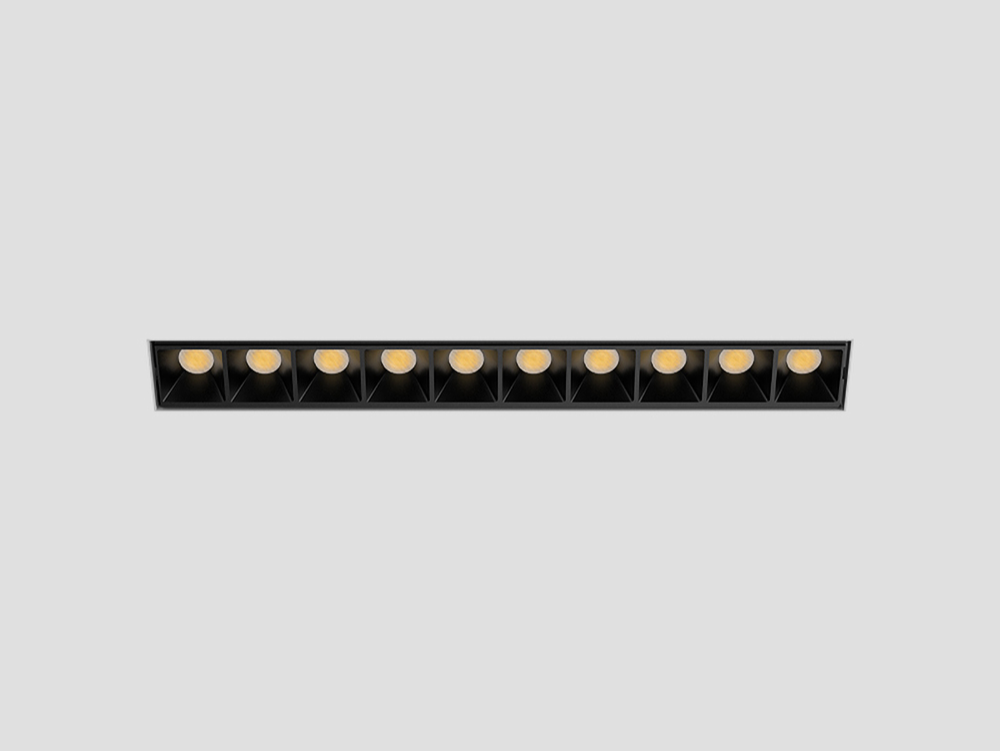
One of the easiest ways to create layered lighting is to combine recessed lighting with magnetic track lighting.
Recessed downlights can provide clean, consistent general illumination while magnetic track spotlights can add flexibility for accent or task lighting.
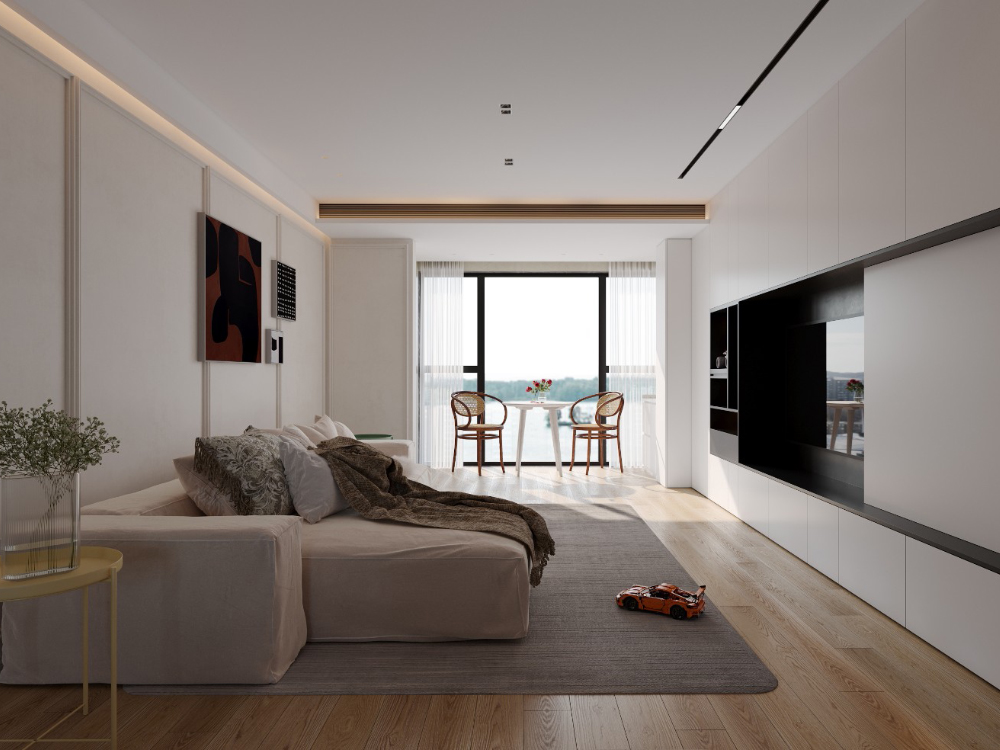
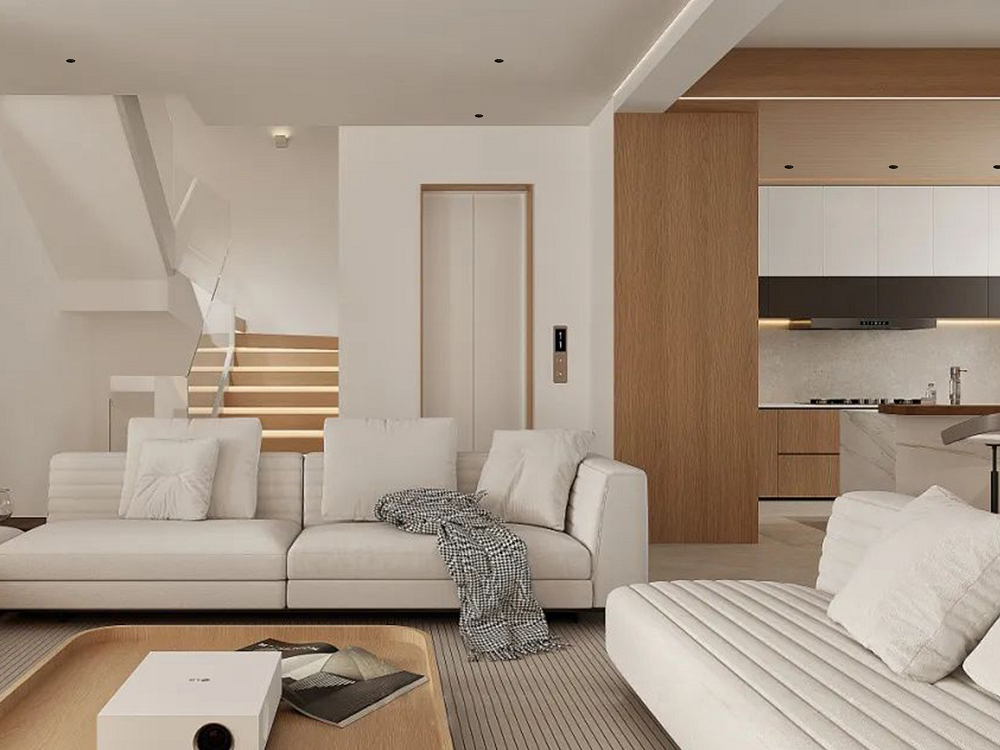
For example, in a modern living room:
- Recessed downlights can provide the basic ambient layer.
- Magnetic track spotlights can highlight artwork, furniture, or architectural details.
- Decorative pendant lighting can add visual character around a dining or seating area.
- Daylight from windows can provide natural illumination during the day.
This combination creates more depth than using ceiling downlights alone.
XRZLux’s lighting portfolio includes both recessed LED solutions and magnetic track lighting systems, allowing different fixture types to work together within a coordinated lighting concept. The company’s recessed products also include trimless and microflange configurations, helping designers maintain a clean architectural ceiling appearance.
A Simple Way to Think About Layered Lighting
You don’t need to make lighting design complicated.
When planning a room, ask five simple questions:
- What needs to be seen?
→ Accent lighting
- Where do people need focused light?
→ Task lighting
- How much natural light is available?
→ Daylight
- What should add personality or visual interest?
→ Decorative lighting
- What provides comfortable general visibility?
→ Ambient lighting
Once you answer these questions, choosing the right fixtures becomes much easier.
Create More Than Just a Bright Room
The best lighting design isn’t necessarily the one with the most fixtures or the highest light output.
It’s the one that uses light intentionally.
A few well-positioned recessed spotlights can emphasize an architectural feature. Magnetic track lighting can provide flexibility when the layout changes. Decorative fixtures can add personality, while ambient lighting creates the foundation for everyday comfort.
Together, these layers create a space that feels more natural, more functional, and more visually engaging.
At XRZLux, we believe lighting should work with architecture—not compete with it. By combining recessed LED lighting, magnetic track systems, wall-washing solutions, and other architectural lighting options, designers can build lighting schemes that adapt to the way people actually use a space.
Good lighting doesn’t just illuminate a room. It gives the room a reason to be noticed.