Ever purchased a recessed LED downlight and it simply doesn’t fit? I have seen this many times occur. For almost 7 years, I have been working with commercial lighting.
In this article I will help you select the perfect one. I’ll speak about depth, trim size and heat sink size. I will also show you the greatest possibilities for offices, retail spaces and more.
What Is a Recessed LED Downlight and Why Does It Matter?
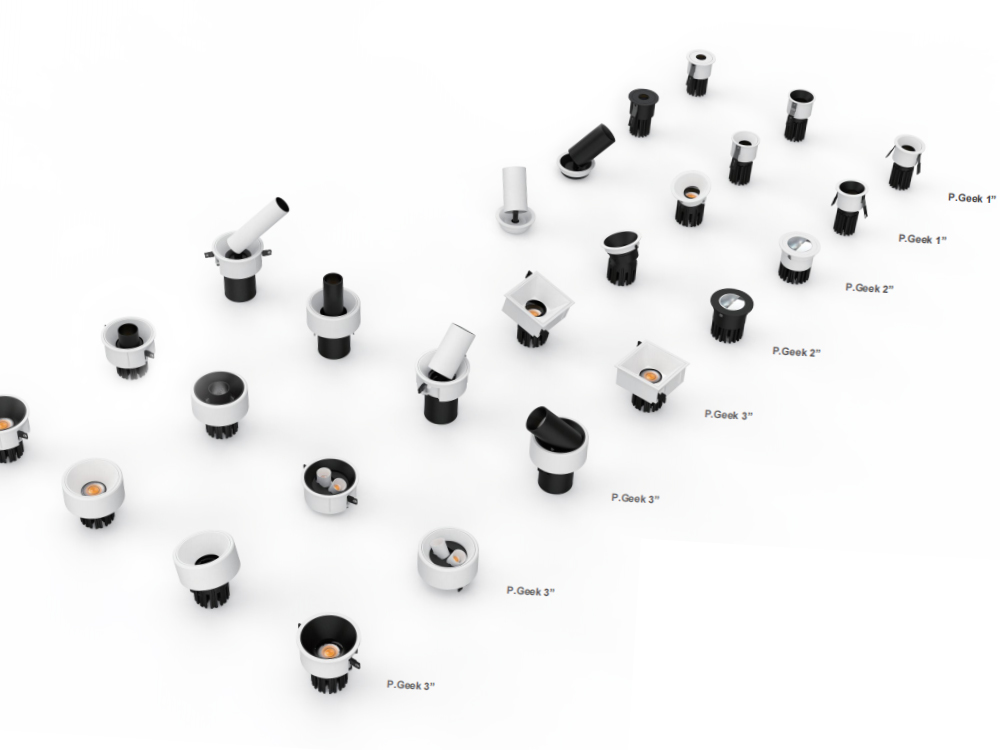
A recessed LED downlight is put directly into the ceiling. It is flush with the surface. It doesn’t droop down. It doesn take up any more area in the room. So it’s perfect for low ceiling. It has an LED light source. LED lights use less electricity. They also last far longer than older kinds of bulbs.
LED is used in the majority of contemporary recessed ceiling lighting. There are several of sorts. Some are thin. Some have deep houses. The proper one is dependent on your ceiling depth and room size. Choosing the incorrect one might cost you time and money.

Quick Specs: What to Check Before You Buy
| Specification | Typical Range | Why It Matters |
| Fixture Depth | 80mm – 200mm | Must fit inside the ceiling cavity |
| Wattage | 5W – 40W | Controls brightness and energy use |
| Beam Angle | 24° – 120° | Affects how wide the light spreads |
| Color Temperature | 2700K – 6500K | Sets the mood and feel of the room |
| CRI (Color Index) | 80 – 98+ | Shows how true colors look under light |
| Trim Diameter | 70mm – 200mm | Sets the hole size cut in the ceiling |
| IP Rating | IP20 – IP65 | Shows dust and moisture protection |
How Do You Pick the Right Depth for a Low Ceiling Space?
Always measure ceiling depth first. Do this before you purchase any commercial recessed LED downlight. If the housing is too high, it won’t fit. Low ceilings are often below 2.5 m. Often they have little openings in the ceiling.
There are several older structures with spacing of just 90mm to 120mm. Models with a slim indoor recessed ceiling light are ideal. Wrong depth is money down the drain. It creates delays too. Always verify the depth before ordering it.
What Does Plenum Space Mean for LED Downlights?
The area above fake ceiling is called plenum space. It’s up in the space between the true ceiling and the drop ceiling below. A minimum of 90mm is required for most recessed ceiling lighting.
Some ancient structures are barely 80mm. This little opening may lead to tremendous trouble. If your fixture is too deep it will not fit in. Always measure this gap first; It’s the most critical step before you purchase anything.
Depth Guide for Low Ceiling Installations
| Ceiling Cavity Depth | Recommended Fixture Depth | Best Fixture Type | Suitable For |
| 80mm – 95mm | 70mm – 85mm | Ultra-slim downlight | Apartments, small offices |
| 95mm – 120mm | 90mm – 110mm | Slim LED downlight | Retail stores, corridors |
| 120mm – 160mm | 115mm – 150mm | Standard recessed LED | Offices, classrooms |
| 160mm+ | 150mm – 200mm | Deep housing with heat sink | Large commercial spaces |
Key Points to Remember About Ceiling Depth:
- Always leave 10mm extra for depth beyond fitting
- Look for pipes or cables inside the ceiling before cutting
- Flat heat sinks are used in slim LED downlight for offices to save space.
- Ultra small variants may be as shallow as 30mm – perfect for confined spaces
- Don’t be fooled by the photographs – always check the spec sheet for depth
Does the Heat Sink Size Affect Fit in Low Ceilings?
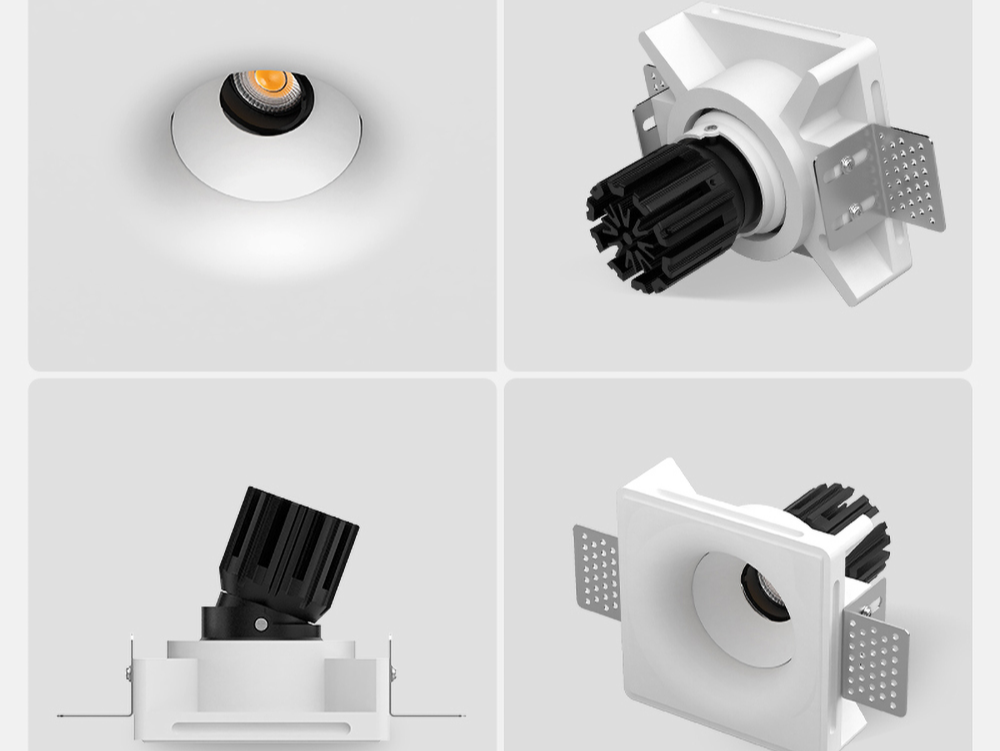
Yes, it does. The heat sink is usually the highest portion of the fixture. It draws heat away from the LED chip. A large heat sink may not fit in a shallow ceiling. Anti-glare LED downlights and high grille LED downlights need more depth. Opt for ring design or side mounted heat sinks for low ceilings.
How Does Trim Size Change the Look and Performance of Downlights?
The trim size is below, as stated. It is the ring or bezel surrounding the hole for the light. A huge trim might seem weighty in a tiny space. A minor trim might reveal the inside housing. This may produce glare. You must get this correctly.
It impacts both appearance and light quality. Architectural LED lighting installations sometimes need precise trim sizes. This will aid in matching the ceiling grid arrangement. Light or hot patches might result from incorrect trim sizes.

What Trim Styles Work Best for Commercial Spaces?
Different trim styles are used for indoor ceiling downlight installations. Hotels, offices, retail outlets – they all need various things. The three most popular categories are:
- Flush trim – flat to ceiling Clean looking. It suits contemporary areas best.
- Recessed trim – the bulb sits deeper in. Lessens Glare. Great for use with anti-glare LED downlights.
- Adjustable trim – tilts, points. Best for accent lighting or for steep ceilings.
Trim Size vs. Room Ceiling Height – Comparison
| Room Type | Ceiling Height | Recommended Trim Size | Trim Style Preferred |
| Small Office | 2.4m – 2.6m | 90mm – 110mm | Flush or Regressed |
| Open Plan Office | 2.6m – 3.0m | 110mm – 150mm | Flush |
| Retail Store | 3.0m – 4.0m | 130mm – 175mm | Adjustable |
| Hotel Lobby | 4.0m+ | 150mm – 200mm | Regressed or Adjustable |
Trim size is not simply a matter of appearances. It influences Glare, light distribution and power consumption. Small trimmings, reduced glare, low chambers. but may diminish light output. The bigger the trim, the more light it will distribute. But they might seem overly hefty in a tiny area.
Advantages and Disadvantages of Different Trim Sizes
Small Trims (70mm – 100mm):
- Looks clean and subtle
- Ideal for low ceilings
- May be seen within the light housing
- Fewer lumens per fixture
Large Trims (150mm – 200mm):
- Better light dispersion
- Strong for high end spaces
- In a tiny room it might seem weighty
- Requires a larger ceiling cavity
Which Sectors Use Recessed LED Downlights Most, and What Can We Learn?
Commercial LED downlight products are utilised in practically all industries. Offices, hospitals, retail outlets and more utilise their products. Each section is distinct. Some need svelte fixtures. Some need high lumen output.
Some need anti glare models. Offices and showrooms now often include 10 cell LED downlight grids and high grille LED downlight arrays. Knowing how each industry utilises them helps you make smarter decisions.
What Are the Most Common Sectors Using Recessed LED Downlights?
- Offices – offices need flicker-free, high-CRI LED downlight for offices
- Retail – need changeable typefaces to showcase items on shelf
- Healthcare – need sealed, IP-rated fixtures for clean hygiene zones
- Hospitality – requires glare-free light and warm tones for comfort
- Education – wants sturdy, wide-beam systems that will endure for years
Real-World Results: LED Downlights Across Key Sectors
| Sector | Fixture Used | Key Requirement | Outcome |
| Corporate Office | Anti-Glare LED Downlight | No flicker, UGR < 19 | 30% less eye fatigue reported |
| Luxury Retail | 10 Cell LED Downlight | Even grid layout | Better product visibility |
| Hotel Corridor | Slim Indoor Ceiling Downlight | Max 95mm depth | Clean fit in 90mm plenum space |
| Hospital Ward | IP44 Recessed Ceiling Lighting | Easy-clean trim | Passed health compliance check |
| School Classroom | Commercial LED Downlight | Wide beam, CRI 90+ | Better student focus reported |
What Makes Hangzhou XRZLux Co., Ltd. the Right Supplier for These Sectors?
Looking for a reliable place to buy recessed LED downlights? Hangzhou XRZLux Co., Ltd. is a good pick. High grille LED downlights, 10 cell LED downlights, and anti-glare LED downlights are all available.

Its goods are comply with international standards. They have reasonable rates and outstanding technical support. XRZLux is a great partner for any business projects.
What Extra Factors Affect Recessed LED Downlight Performance in Low Ceilings?
It is not simply depth and trim that matter. A few more things worth considering. They impair the performance of your recessed LED downlight in low ceiling settings. Heat control is a key one. Another is driver positioning.
Another consideration is lumen output. Getting them correctly helps your light last longer. It also assists it to improve its performance on a daily basis. And don’t miss these steps.
Thermal Management in Tight Spaces
Small ceiling spaces quickly build up heat. Heat control is a key factor in LED lifetime. Always search for these features:
- Die cast aluminium housing – Fast heat dissipation
- Passive cooling fins – increase area without moving elements
- Thermal protection circuits – stop electricity if fixture becomes too hot
Wiring and Driver Placement
The driver (power supply) may be on a cable in skinny downlights. This is good for extremely low ceilings . Look for fittings that may let the driver sit as far as 600mm from the LED body. This provides you more space to work with.
Lumen Output vs. Fixture Size
Less light from the little lights. In rooms with low ceilings you may need extra units. A conventional workplace requires 300–500 lux at desk level. Use a lux calculator to design your layout. Or involve your provider.
FAQs
Can I use a recessed LED downlight in a bathroom or wet area?
Yes, but only with the correct IP rating. Indoor recessed ceiling lights should be certified at least IP44 in bathrooms. Shower locations may need IP65. A downlight without an IP certification is not safe in damp zones.
- See the product label for the IP rating
- IP44 = splash proof, excellent for most bathrooms
- IP65 = splash-proof, shower or covered outdoor zone usage
What beam angle should I use for a low ceiling room?
For ceilings under 2.5m utilise a broad beam, 90° to 120°. This diffuses light equally. It prevents bright spots beneath each fixture.
- Wide beam (90°–120°)=even light for low rooms
- Narrow beam (24°-45°) = accent or tasklighting
- Medium beam (60°) = a nice option for daily use in most spaces
What is an anti-glare LED downlight, and when do I need one?
Inside, an anti-glare LED downlight employs a deep lens or a honeycomb grille. This avoids side glare. Good for workplaces, showrooms and spaces where people sit beneath lights.
- office areas look for UGR under 19
- High grille LED downlights and 10 cell LED downlights are also good in glare reduction
- Regressed trim styles removed glare without any additional elements
Are LED recessed downlights good for office environments?
Certainly, LED downlight for offices is one of the best options for contemporary workplaces. They offer a nice, even light Non flicker models and high CRI decrease eye strain. They help keep workers comfy all day long.
- CRI 90+ for authentic colour rendering
- With flicker-free drivers PWM > 1000Hz
- Architectural LED lighting grade products provide the finest long term value
Conclusion
When selecting the best recessed LED downlight for a low ceiling you need to consider depth, heat sink size and trim. First, inspect your ceiling gap. Use slim models for cavities < 100mm. Select fittings with adequate heat management. Match the trim to the size of the space.
If you want excellent commercial recessed LED downlights, Hangzhou XRZLux Co., Ltd. is your best choice. They provide 10 cell LED downlights, complete architectural LED lighting systems and anti-glare LED downlights. Visit their website and receive a quotation now!