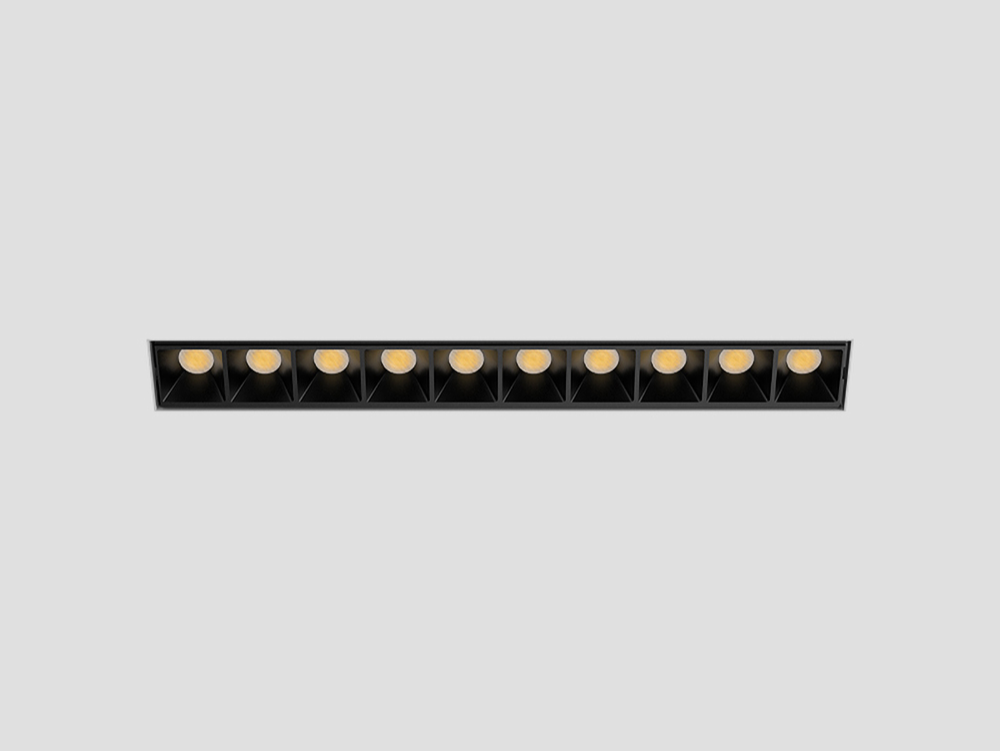
When planning a modern lighting system, two options often come up: magnetic track lighting and recessed lighting.
Both can create a clean architectural look, both work well with LED technology, and both can be used in residential and commercial interiors. But they serve different purposes.
Recessed lighting is often chosen when you want a clean ceiling with discreet, focused illumination. Magnetic track lighting, on the other hand, offers a more flexible system that allows fixtures to be repositioned or combined within a track.
So, which one should you choose?
The answer depends on the space, the lighting effect you want, installation requirements, and how much flexibility you need.
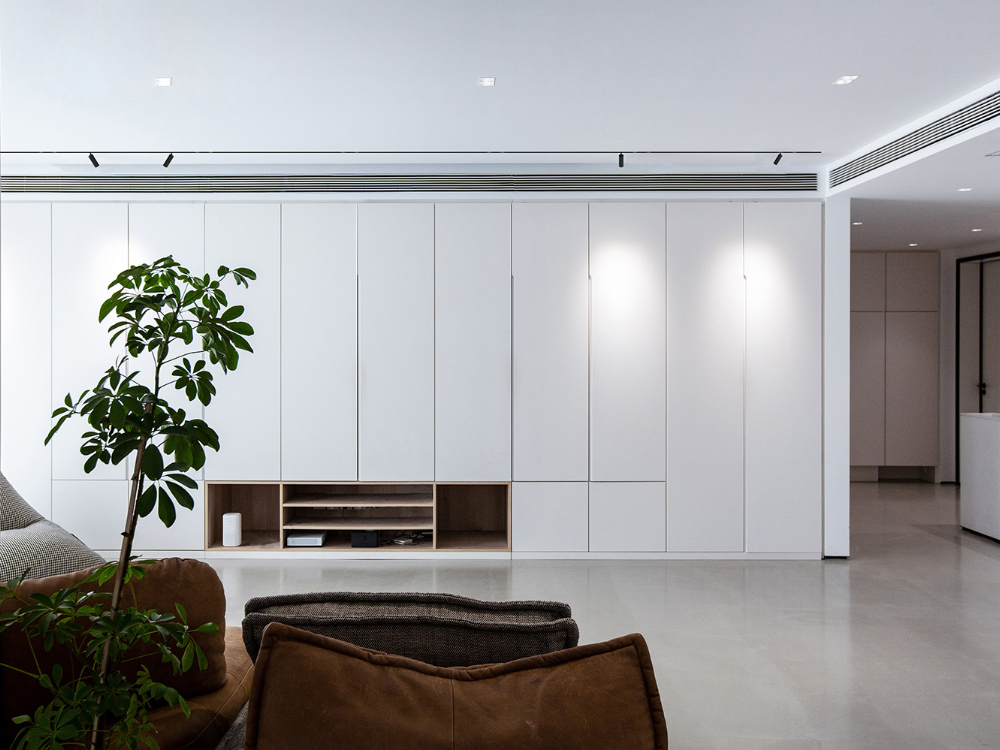
Magnetic Track Lighting vs. Recessed Lighting at a Glance
| Feature | Magnetic Track Lighting | Recessed Lighting |
| Installation | Installed into or onto a magnetic track | Installed directly into the ceiling |
| Visual appearance | Linear, modular, architectural | Minimal and integrated |
| Flexibility | High | Depends on fixture type |
| Fixture positioning | Easy to change within the system | Usually fixed after installation |
| Best for | Flexible accent, task and layered lighting | General, accent and architectural lighting |
| Ceiling appearance | Track remains part of the design | Can blend almost completely into the ceiling |
| Future layout changes | Relatively easy to adapt | Usually requires fixture repositioning |
| Typical applications | Living rooms, kitchens, retail, hospitality | Bedrooms, living rooms, hallways, offices and architectural spaces |
The two systems are not necessarily competitors. In many projects, magnetic track lighting and recessed lighting work better together.
What Is Magnetic Track Lighting?
Magnetic track lighting is a modular lighting system built around a track. Individual light fixtures attach magnetically to the track, allowing designers to create different combinations of lighting within the same system.
Instead of treating every light as an independent fixture, the track becomes the foundation of the lighting layout.
This makes magnetic track lighting particularly useful when a room needs different lighting layers.
For example, a living room might use:
- Flood lights for general illumination
- Spotlights for artwork or architectural details
- Adjustable fixtures for accent lighting
- Linear fixtures for softer ambient illumination
XRZLux’s M19 Magnetic Track System is designed around this modular concept, with different fixture types available for different lighting effects. The M19 system includes options such as flood lighting, making it suitable for residential and commercial interior applications.

Why Choose Magnetic Track Lighting?
One of the biggest advantages is flexibility.
Furniture layouts change. Artwork moves. Retail displays are updated. Kitchen islands may be redesigned.
With a modular magnetic system, lighting can be adjusted without completely redesigning the ceiling.
Magnetic track lighting can also become part of the architectural design rather than something that needs to disappear.
This makes it especially interesting for:
- Modern living rooms
- Kitchen islands
- Home offices
- Retail stores
- Hotels and hospitality spaces
- Restaurants
- Galleries and showrooms
- Open-plan interiors
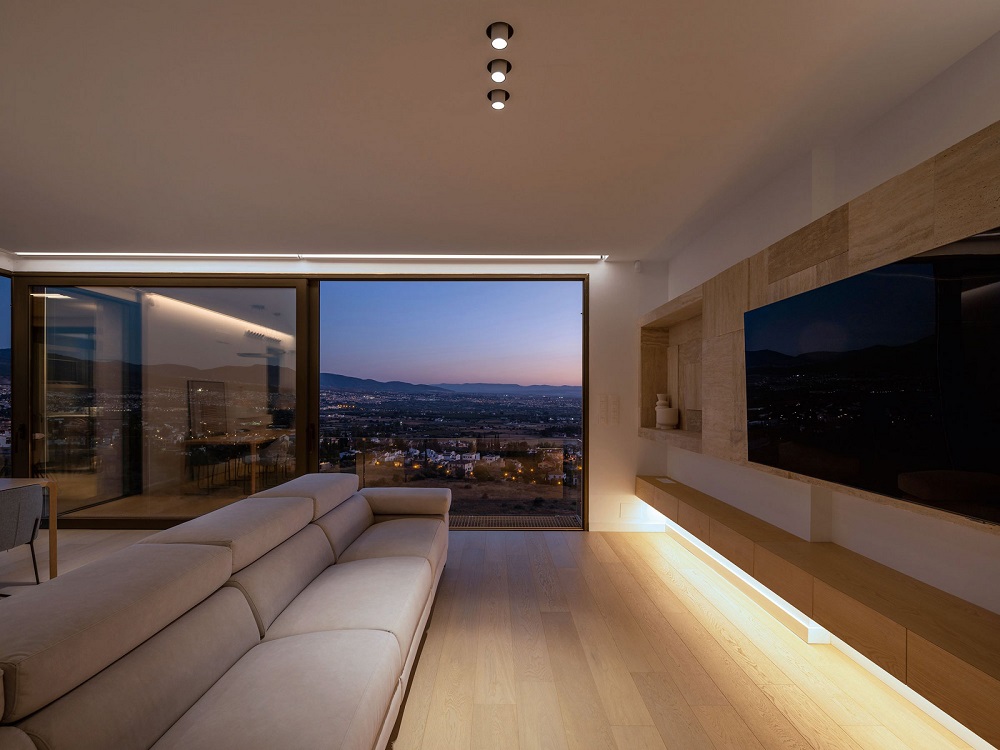
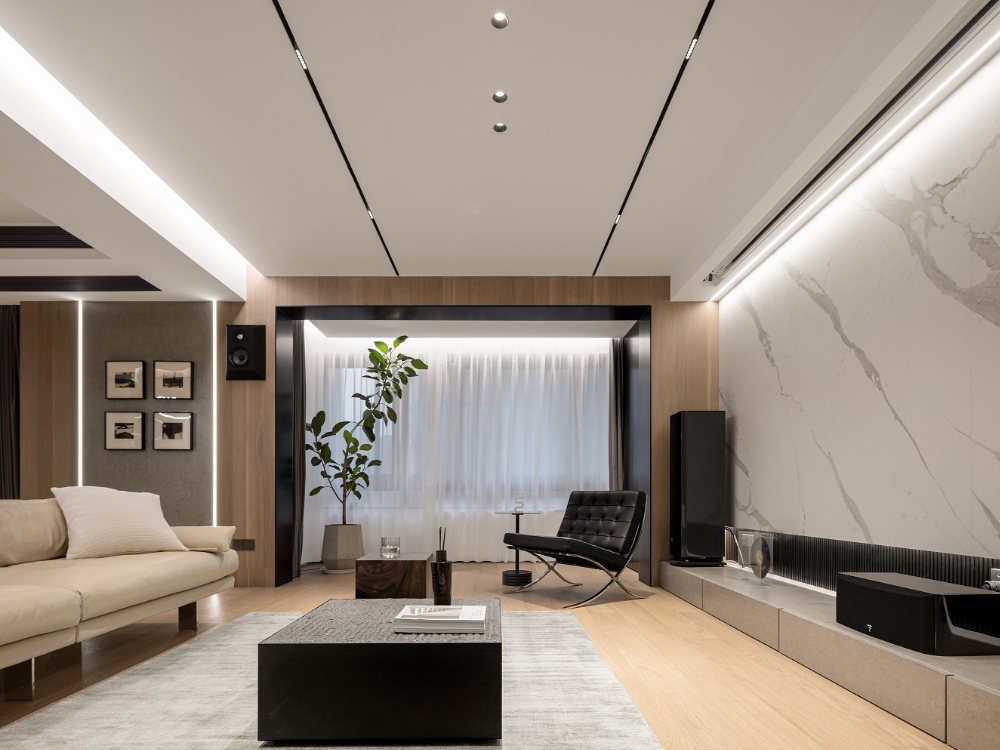
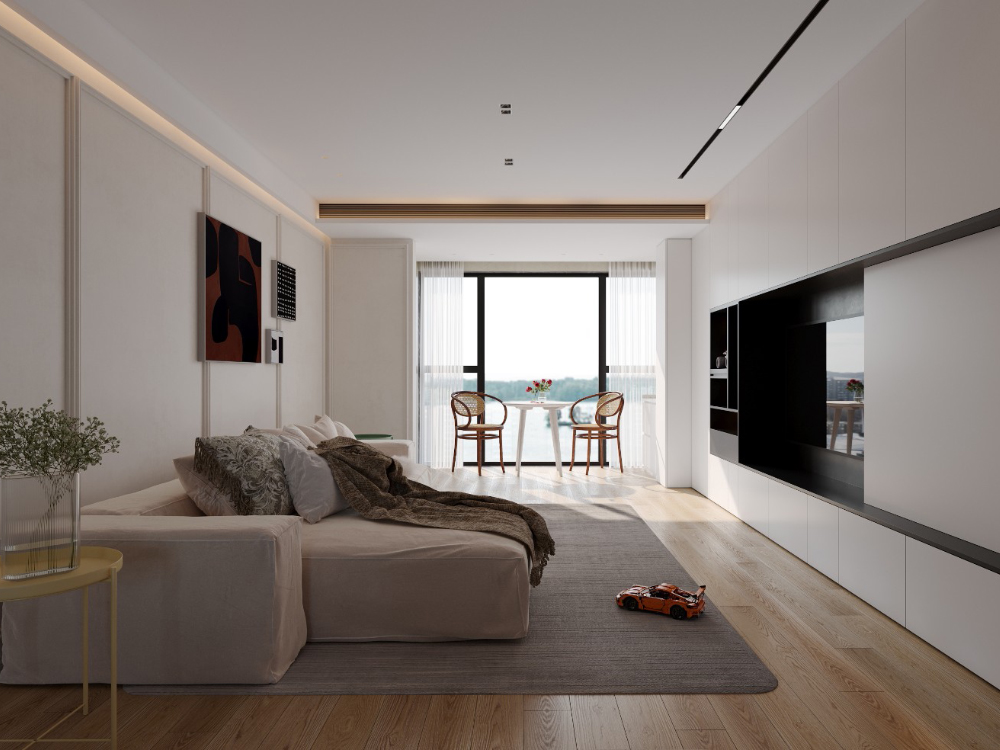
XRZLux’s inspiration projects also demonstrate combinations of recessed spotlights and magnetic track lighting, showing how the two systems can be used together to create layered illumination.
What Is Recessed Lighting?
Recessed lighting is installed into a ceiling so that the fixture sits partially or almost completely inside the ceiling surface.
Because the light source takes up relatively little visual space, recessed lighting is widely used in modern interiors where a clean ceiling is important.
Recessed fixtures are available in many formats, including:
- 1-inch recessed lighting
- 2-inch recessed lighting
- 3-inch recessed lighting
- Round recessed lighting
- Square recessed lighting
- Trim recessed lighting
- Trimless recessed lighting
- Semi-recessed lighting
- Adjustable recessed spotlights
- Pinhole recessed lighting
- Wall-wash recessed lighting
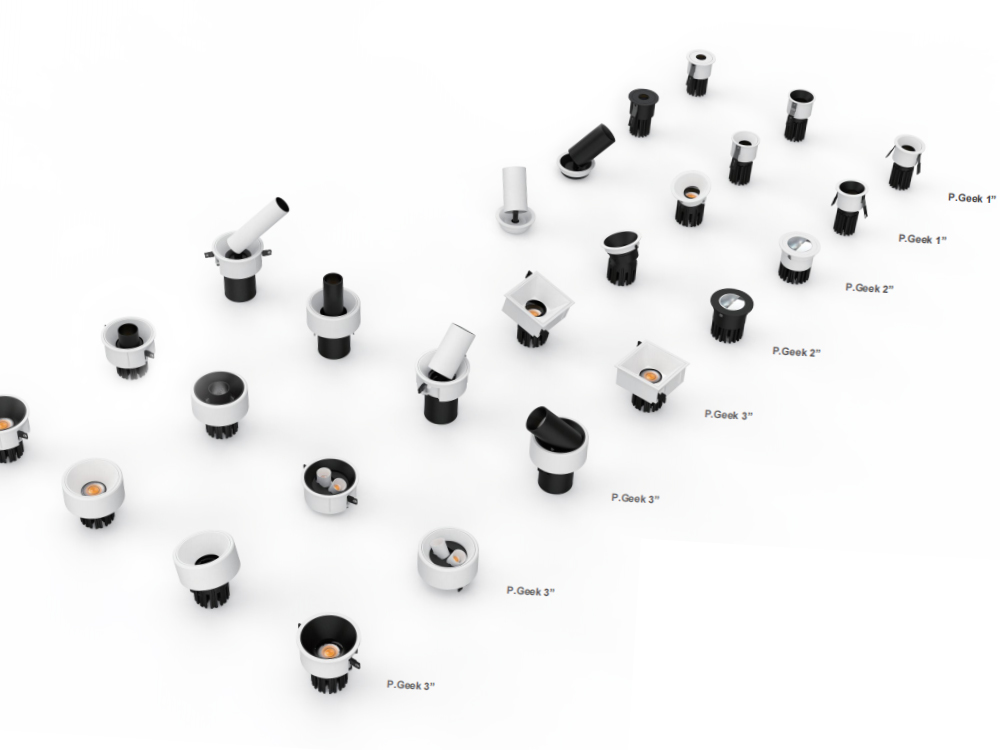
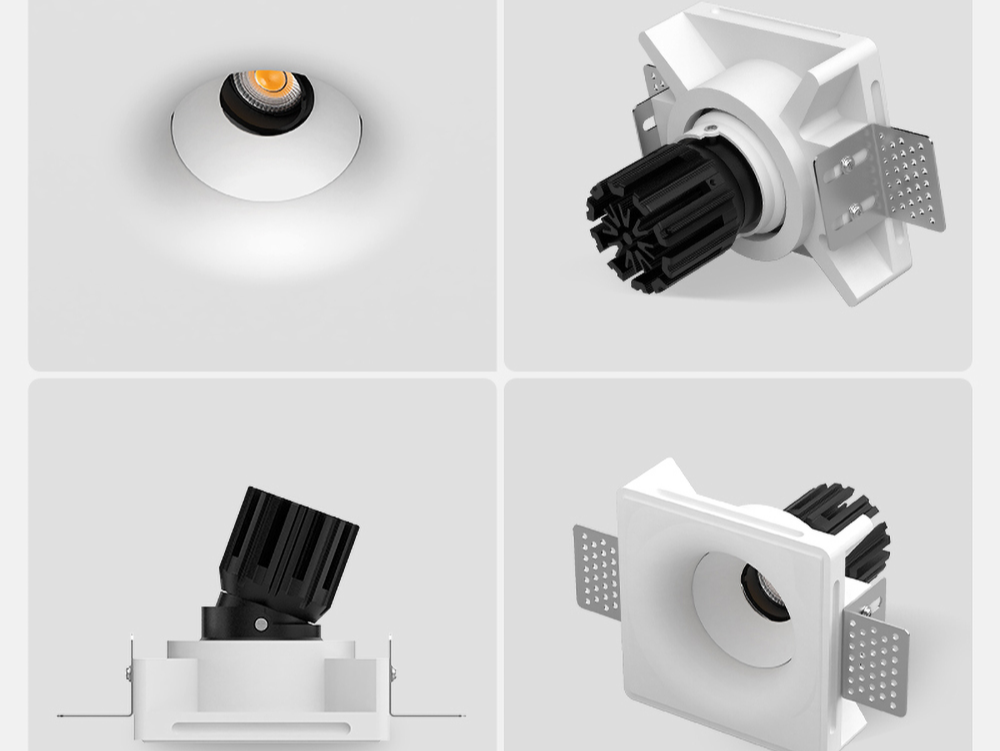
The XRZLux P.GEEK collection, for example, includes compact recessed lighting in different sizes and configurations, including trim, trimless and semi-recessed designs.

Why Choose Recessed Lighting?
The main advantage of recessed lighting is its clean and integrated appearance.
A small-aperture recessed light can provide focused illumination without adding much visual weight to the ceiling.
This makes recessed lighting a natural choice for:
- Bedrooms
- Living rooms
- Kitchens
- Hallways
- Home offices
- Dining areas
- Hotels
- Retail interiors
- Architectural projects
For example, XRZLux’s P.GEEK 1-inch recessed spotlight combines a compact aperture with COB LED technology, 20° vertical tilt and 360° rotation, making it suitable for focused architectural lighting applications. The product documentation also identifies ETL Intertek certification and dry-location use.
Magnetic Track Lighting vs. Recessed Lighting: Flexibility
This is one of the clearest differences between the two systems.
Magnetic track lighting is designed for flexibility.
Fixtures can be positioned along the track according to the lighting plan. This can be especially useful in spaces where furniture, displays or visual focal points may change.

Recessed lighting is generally more fixed.
Once the fixture is installed, changing its location normally means modifying the ceiling opening and electrical installation.
However, adjustable recessed spotlights can still provide considerable flexibility by changing the direction of the light.
For example, an adjustable recessed spotlight can be aimed toward:
- Artwork
- A feature wall
- Shelving
- Dining tables
- Kitchen work areas
- Decorative objects
So the distinction is not simply “flexible vs. fixed.” It is more accurately system-level flexibility vs. fixture-level flexibility.

Magnetic Track Lighting vs. Recessed Lighting: Ceiling Appearance
If your priority is a minimalist ceiling, recessed lighting has an obvious advantage.
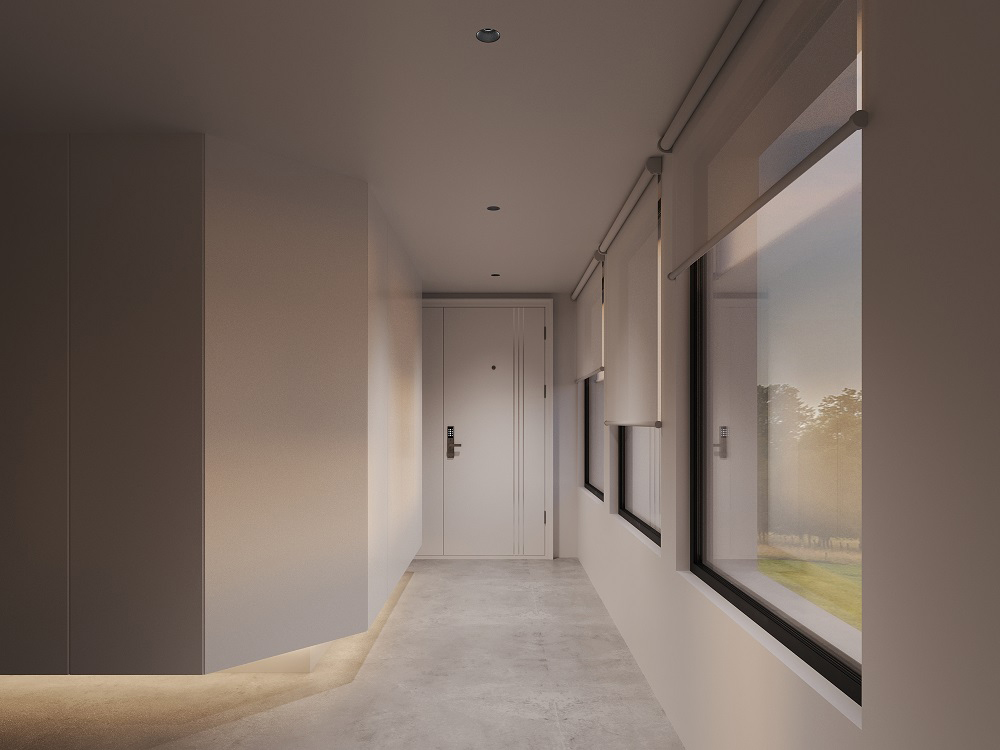
Trimless recessed lighting can be integrated into drywall or plaster so that the fixture visually blends into the ceiling. The result is a cleaner architectural surface with less visible hardware.
Magnetic track lighting takes the opposite approach.
The track itself can become part of the design. Instead of hiding the lighting infrastructure, designers can use the linear track to create a visual line across the ceiling.
This works particularly well in contemporary interiors where lighting is considered part of the architecture.
There is no universal answer here.
The choice depends on whether you want the lighting system to disappear into the ceiling or become part of the interior design.
Magnetic Track Lighting vs. Recessed Lighting: Installation
Installation should also be considered early in the design process.
Recessed lighting requires ceiling cutouts and appropriate space for the fixture and electrical components. Trimless products may also require additional coordination with drywall or plaster finishing.
Magnetic track lighting requires the track system to be properly planned and installed. Depending on the project, the track can be recessed, surface-mounted or incorporated into the ceiling design.
This means both systems benefit from being considered during the early design stage rather than added as an afterthought.
For new construction or major renovations, the decision is easier because the ceiling, wiring and lighting layout can be planned together.
Which One Is Better for North American Projects?
For North American residential and commercial projects, lighting selection involves more than appearance.
Electrical requirements, installation conditions, certification and local code considerations should also be part of the specification process.
XRZLux positions its lighting range for North American applications and states that its products are cETLus certified, with North American installation options.
Specific recessed products also list ETL certification. For example, the XRZLux P.GEEK 1-inch recessed spotlight documentation includes an ETL Intertek mark, while the 20mm pinhole recessed spotlight is listed as ETL, SAA and CE certified.
For a North American project, however, certification should always be checked against the exact model, configuration and intended installation location rather than assumed across an entire product category.
Can You Use Magnetic Track Lighting and Recessed Lighting Together?
Absolutely.
In fact, combining the two can create a more complete lighting design.
Consider a modern kitchen.
Recessed downlights can provide general illumination across the room, while a magnetic track system can provide more focused light over the kitchen island, artwork or dining area.
A living room could use:
Recessed lighting → general illumination
Magnetic track spotlights → accent lighting
Magnetic track flood lights → wider-area illumination
Wall washers → architectural emphasis
This creates multiple layers of light instead of relying on one fixture type to do everything.
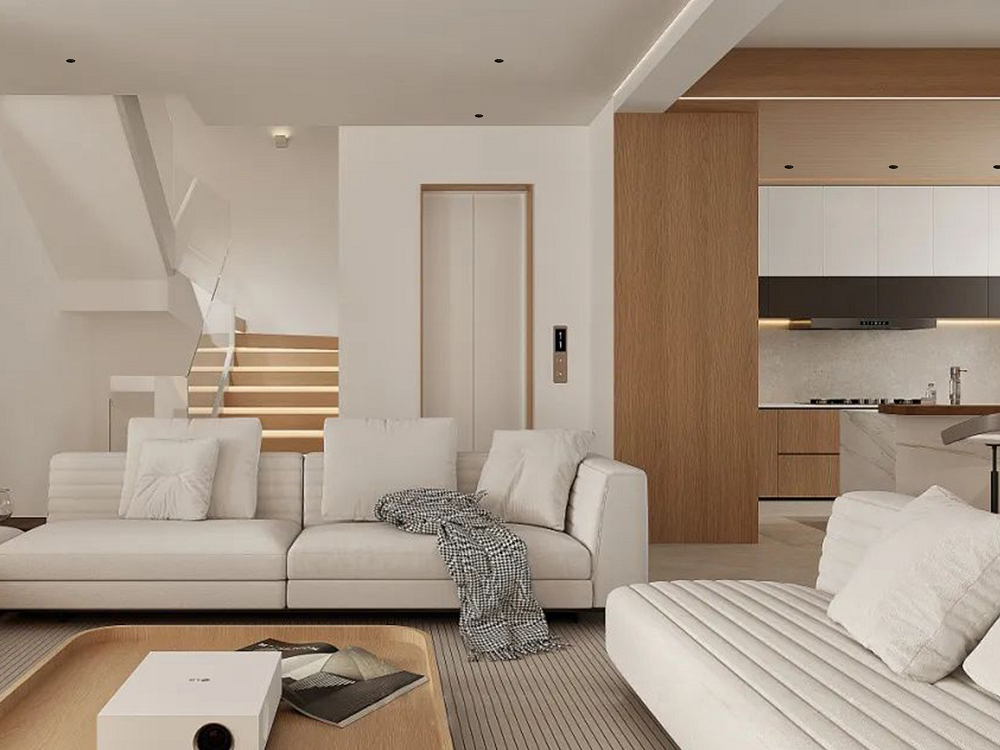
XRZLux’s lighting design content similarly presents recessed lighting and magnetic track lighting as complementary solutions for modern residential interiors.
Magnetic Track Lighting vs. Recessed Lighting: Which Should You Choose?
Rather than asking which system is universally better, start with the purpose of the lighting.
Choose magnetic track lighting when you need:
- Flexible fixture positioning
- A modular lighting system
- Easy changes to accent lighting
- Multiple fixture types within one system
- A visible architectural lighting element
- Flexible lighting for retail or hospitality spaces
Choose recessed lighting when you need:
- A clean ceiling appearance
- Compact lighting fixtures
- General room illumination
- Focused architectural lighting
- Small-aperture lighting
- Trimless or semi-recessed solutions
And for many modern projects, you don’t have to choose only one.
A Layered Approach May Be the Most Practical Solution
Modern lighting design is moving away from the idea that one fixture should illuminate an entire room.
Instead, different fixtures can perform different jobs.
Recessed lighting can establish the basic illumination. Magnetic track lighting can add flexibility and accent lighting. Wall washers can highlight architectural surfaces. Decorative fixtures can provide visual character.
The result is a lighting system that is not only functional but also easier to adapt to the way a space is actually used.
For homeowners, designers and lighting professionals working on North American projects, XRZLux offers both recessed lighting and M19 magnetic track lighting, with product options covering different sizes, beam angles, lighting effects and installation approaches.
The right choice ultimately comes down to the room, the ceiling, the desired lighting effect and how much flexibility the project requires.
Sometimes the best answer isn’t magnetic track lighting or recessed lighting.
It’s magnetic track lighting and recessed lighting working together.