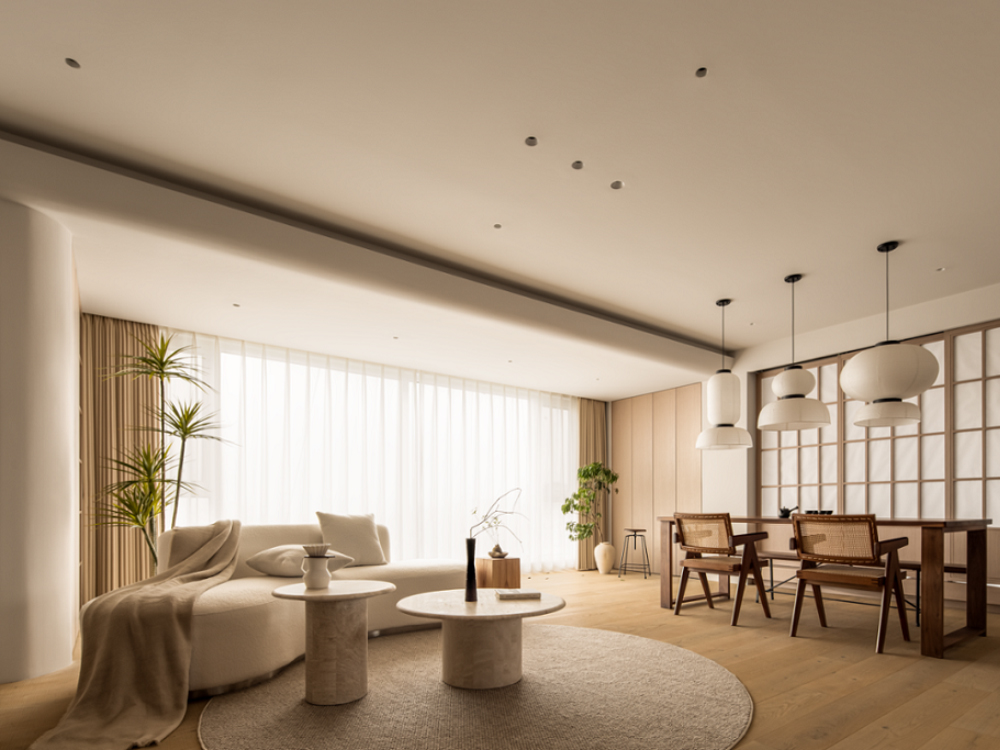
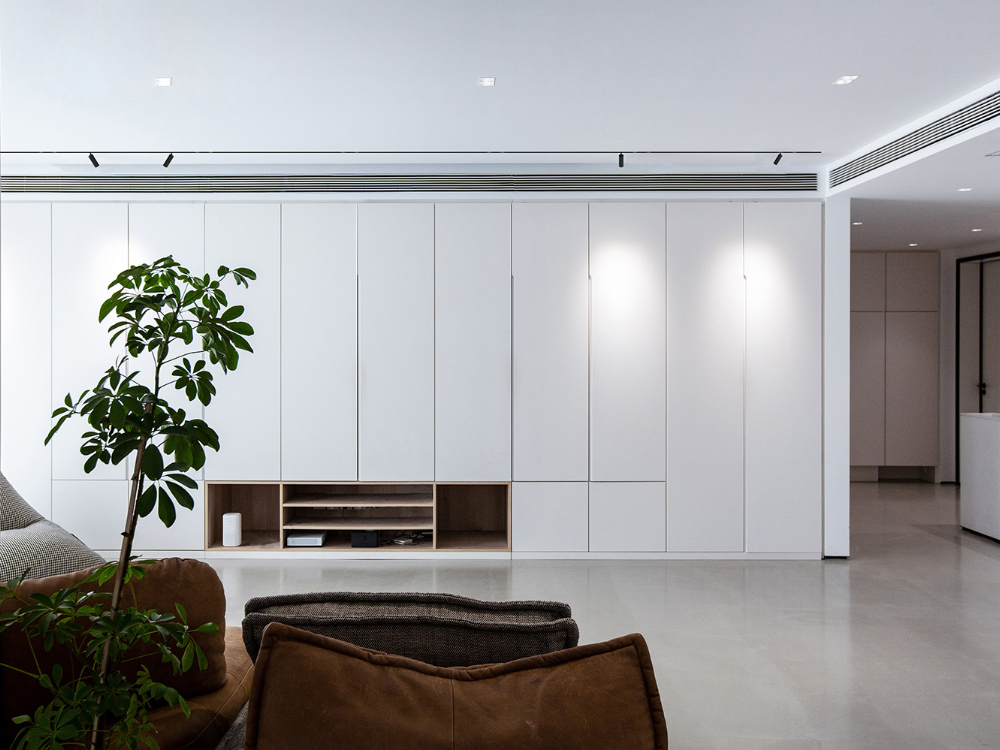
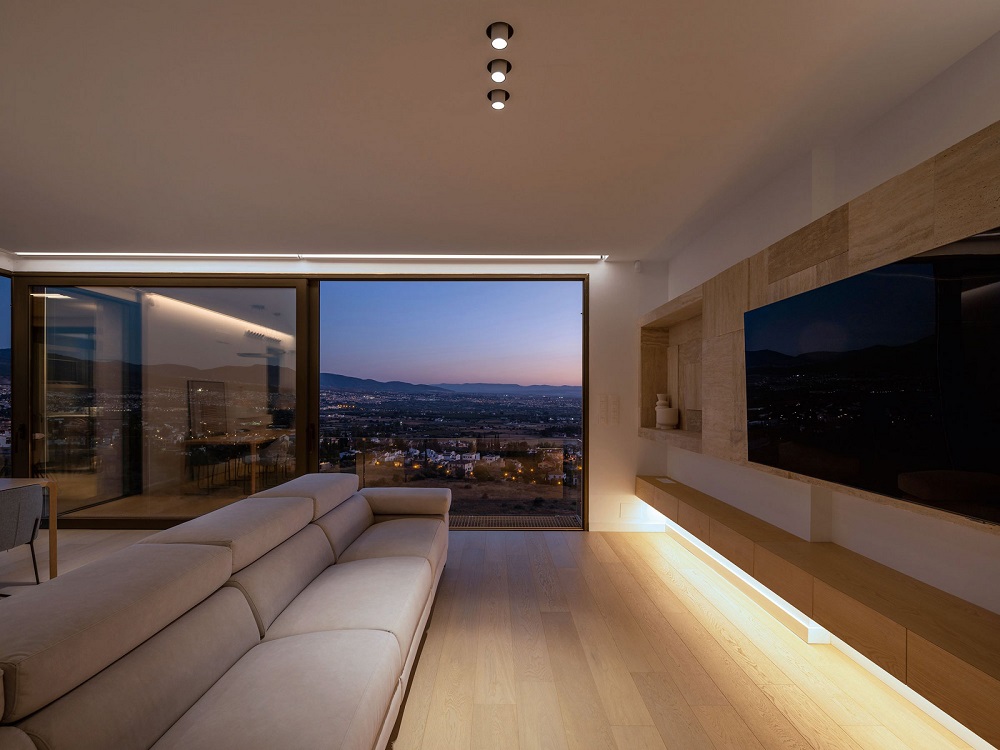
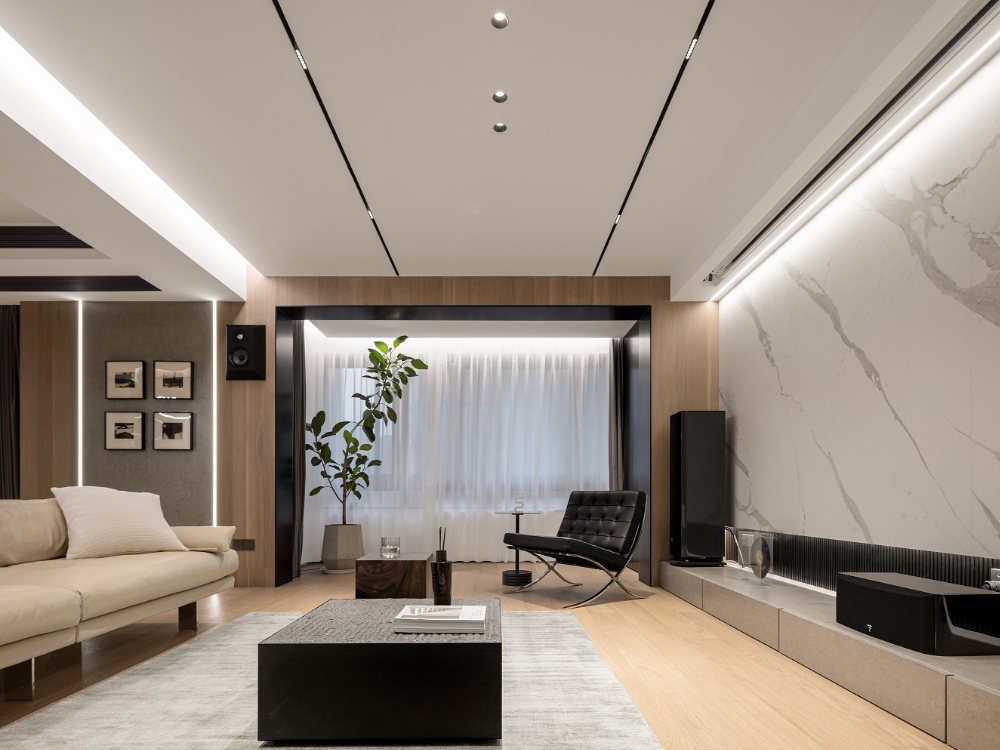
Why do so many recessed light installations end up with broken housings, blown bulbs or tripped breakers? The three most common reasons for callbacks I have had in LED Recessed Spotlights company in my 12 years.
This reference provides comprehensive coverage of insulation contact ratings, safe wiring practices and junction box regulations. Learn what are the best recessed LED spotlights for your ceiling, how to wire them so they don’t short out and how to pass inspection the first time around.
What Really Happens Inside A Recessed Spotlight Install?
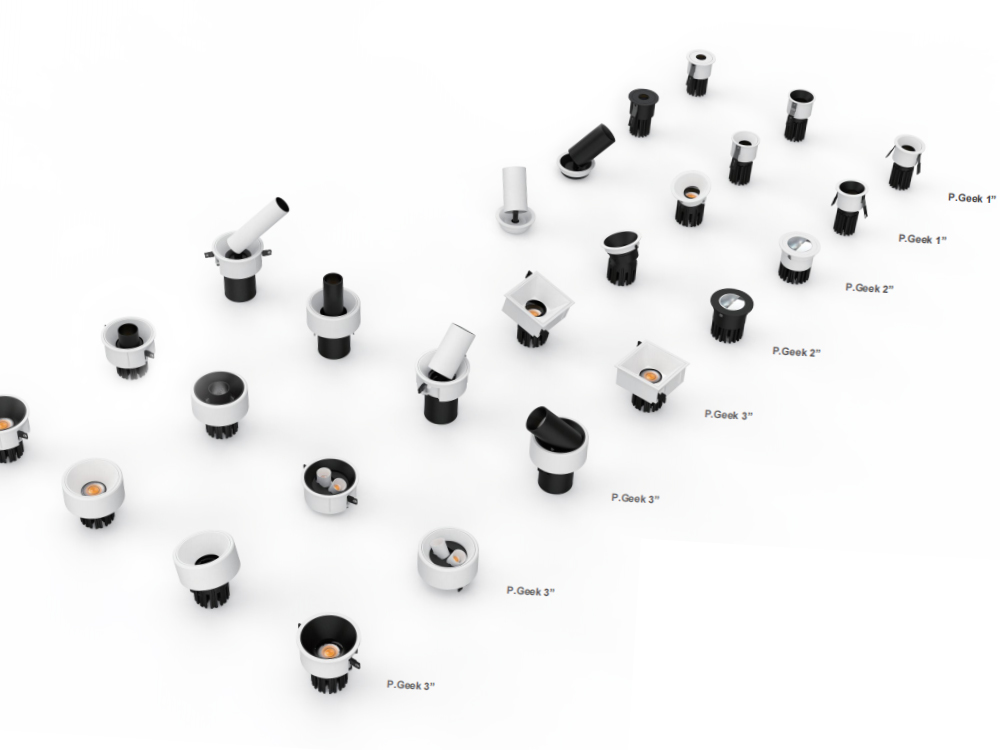
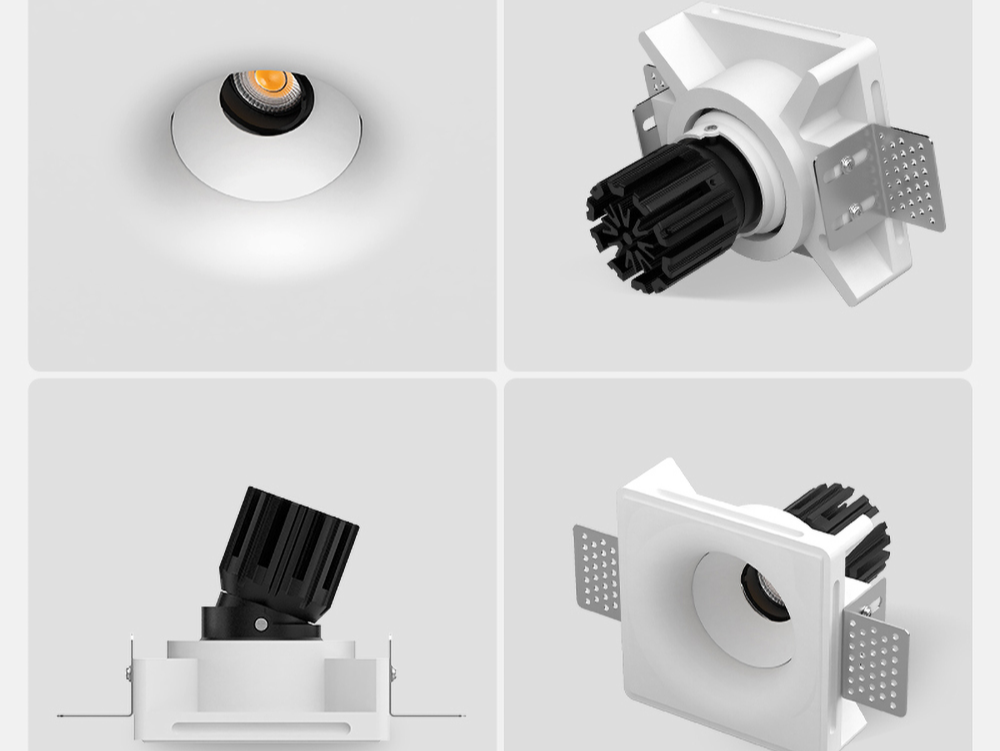
LED recessed spotlights are used in a flush ceiling light fixture that is hidden in a recessed spotlight housing. This work is a combination of carpentering and electrical wiring and fire safety regulations. Today you can find integrated led boards in led recessed ceiling spotlights, which means that you don’t have to change individual bulbs. Permitted cable connects the junction box to the fixture fast-connect terminals.
Also required is a dimmer switch to properly operate dimmable recessed LED spotlights and other modern kits. The IC rating is if the house can touch the attic insulation without getting too hot. To skip any of these procedures is the quickest way to get in trouble with inspectors or perhaps start a fire.

Recessed Spotlight Install: Core Parts At A Glance
| Part | Function | Common Rating | Install Note |
| Housing / Can | Holds the LED engine in the ceiling | IC or Non-IC | Match rating to attic insulation |
| Junction Box | Connects house wiring to the fixture | UL-listed, sized for wire count | Must stay accessible |
| Trim | Covers the gap, directs light | Fixed or adjustable | Pick trim after housing |
| Driver / LED Engine | Converts AC power to low-voltage DC | Wattage-matched | Check dimmer compatibility |
Which Wiring Method Keeps Your Install Code-Safe?
Most LED recessed spotlights in homes are wired with 14- or 12-gauge NM wire and a 15- or 20-amp breaker. NEVER EVER connect the hot, neutral and ground wires in the ceiling cavity. Use the junction box. If the fixtures are wired in parallel a bad bulb will not blow the whole circuit. Recessed outdoor LED spotlights must be wired with GFCI protected circuits and weather rated wire for wet or outdoor locations. “Before touching any live wire, make sure the breaker is off, and check the current with a voltage tester.
Sizing Wire And Breakers Correctly
The person’s preference is irrelevant, the circuit load determines the wire gauge. A series of six 8-watt LED small recessed spotlights can be powered by no more than a 15-amp breaker and 14-gauge wire. If you have a larger living room, with LED spotlights recessed in the ceiling, then you might want to go with twelve 12-Gauge wires on a 20 amp breaker. If you are not sure of the overall wattage, add it all up and compare it to the chart that is part of your local electrical code.
Wire Gauge vs Breaker Size For LED Circuits
| Wire Gauge | Max Amps | Breaker Size | Typical Use |
| 14 AWG | 15A | 15A breaker | Small rooms, few fixtures |
| 12 AWG | 20A | 20A breaker | Living rooms, kitchens |
| 10 AWG | 30A | 30A breaker | Large multi-zone layouts |
| 8 AWG | 40A | 40A breaker | Whole-floor lighting runs |
Quick Wiring Safety Checklist
- Always unplug the power source and double check with a voltage tester.
- Use gauge rated push in connections or wire nuts.
- Never leave splices exposed in the ceiling, keep them in the junction box
- After the wiring is finished, tag the breaker.
Where Should The Junction Box Actually Go?
The junction box, where all wire splices are made, is the official location, and it must be accessible once the ceiling is closed. Many LED recessed spotlights already have a small junction box built into the housing making remodels a breeze. In modern building practice an alternative is to install a separate metal or plastic box between the joists. When using the recessed adjustable LED spotlights with a built-in box, enough space must be provided for the wires to bend without being under strain. You need an access panel in place before you drywall over a junction box.

Built-In Box Vs Separate Junction Box
An integrated junction box conveniently locates the wire connection on the fixture housing, saving valuable time. Great for LED recessed spotlights where a dedicated box won’t fit into a small ceiling cavity. With a separate junction box attached to a joist, you can fit several cable splices. Electricians usually use individual boxes with LED runs to accommodate a lot of recessed ceiling spotlights on one circuit.
Junction Box Placement Rules
- Maintain access to the box, for example a panel in the attic.
- If the box is not rated for contact, do not let it touch the insulation.
- Don’t count on the drywall to hold the box, fasten it to the frame.
- Be sure the box has a number of wires entering it commensurate with its size.
Built-In Box vs Separate Junction Box
| Feature | Built-In Box | Separate Box | Best For |
| Install Speed | Faster | Slower | Built-in: quick remodels |
| Wire Capacity | Limited | Higher | Separate: multi-fixture runs |
| Space Needed | Minimal | More | Built-in: shallow ceilings |
| Code Access | Built into kit | Must stay exposed | Separate: new construction |
If you want to make over a single fixture in a hurry, go with built-in boxes. For larger electrical loads and multiple splices, it is safer to use individual junction boxes. The free standing box provides extra space which is useful on new building projects. When making your selection, consider how many light fixtures are wired to the same circuit.
Why Does Insulation Contact Rating Matter So Much?
Look at the insulation contact (IC) rating of the house to see if it is OK to be in contact with the attic insulation without getting hot. Maintain a 3-inch air gap between insulation and non-insulated housing to prevent overheating and fire hazards. You can now find IC rated led recessed spotlight kits that have additional metal shielding to withstand direct contact.
If you have insulated ceilings, you can’t bypass the necessity of an IC rating for recessed directional LED recessed spotlights. This is one spec to double-check before you buy, so you don’t end up paying for a re-install.

How To Confirm A Fixture’s IC Rating
The IC rating is usually found on the product page or printed on the label on the housing. If you see the UL or ETL certification symbol, look for the letters IC next to it. If the label is missing or not clear, make sure to contact the manufacturer before installing it in an insulated ceiling. Do not use led spotlight recessed kits that do not have an IC designation that you can see for safety reasons.
IC Rating Checklist Before You Buy
- Ensure your ceiling insulation class is compatible with its IC rating.
- Check to see if the house is not UL or ETL certified.
- Make sure any non-IC fixture has at least three inches of clearance.
- If you’re unsure, ask the vendor for a specification document.
Real Install Scenarios By Sector
| Sector | Ceiling Type | Fixture Used | Outcome |
| Residential attic remodel | Blown insulation | IC-rated led mini recessed spotlights | Passed inspection, no heat issues |
| Retail store ceiling | Open plenum, no insulation | Non-IC recessed spotlights led | Standard clearance worked fine |
| Covered patio | Exterior, damp | outdoor led recessed spotlights | GFCI circuit, no moisture damage |
| Office renovation | Drop ceiling, insulated above | IC-rated dimmable recessed led spotlights | Smooth dimming, no flicker |
How Do You Avoid The Most Common Installation Mistakes?
The vast majority of inspection failures are caused by a handful of common errors. Too many junction boxes or unsecured wire nuts, weak or non-existent IC ratings are at the top of the list.
- Wiring without a voltage test first
- Mixing wire gauges no consistency of connection
- Installing an insulated ceiling system on a non-IC home
- Over-fixture of a circuit
Frequently Asked Questions
Can I install recessed lighting without an electrician?
You can usually do simple swaps into existing housings yourself. In most cases you’ll need to have a licensed electrician install new wiring, junction boxes or panels. Permits may be required for new circuits per local code.
- Replacement of light bulbs or trim is easy
- Wanted electrician to wire or install new boxes
- Check the permit rules in your area before you apply.
Are LED Recessed Spotlights Suitable for a Bathroom?
Sure, but be sure that the fixture is rated for damp or moist locations. The circuit also requires GFCI protection at locations near water sources. Sealed trimmings protect the LED engine better against moisture.
- Purchase housings that are rated for moisture or dampness.
- Add GFCI protection.
- Seal the edges of the trim to stop water damage
How big of a hole should I cut to install recessed spotlights?
The size of the hole (typically 4 or 6 inches) is based on the diameter of the housing. Always refer to the manufacturer’s cutout specification before cutting drywall. If the hole is too large, the support is compromised.
- The usual sizes are 4″ and 6″
- Check construction specs with housing cut out
- Don’t use holes that are too large.
How many recessed spotlights are permitted on one circuit?
Make sure the total wattage does not exceed eighty percent of the amp rating of the breaker. One circuit can accommodate more LED lights because they use a lot less electricity than traditional halogen bulbs. A 15-amp breaker can usually handle dozens of low-wattage LED lights.
- Maintain breaker capacity at less than 80%
- More fixtures can be used per circuit with LEDs.
- First, calculate the total wattage.
Conclusion
Choosing the right fixture is more important than choosing the right wiring for a safe LED recessed spotlights installation. Hangzhou XRZLux Co., Ltd. produces a wide variety of recessed LED spotlights, including small indoor ones that are perfect for low ceilings and robust outdoor ones for patios and walkways.
If you are seeking a reliable partner that can provide fixtures that pass inspection the first time and continue to work for years to come, contact Hangzhou XRZLux Co., Ltd right away.