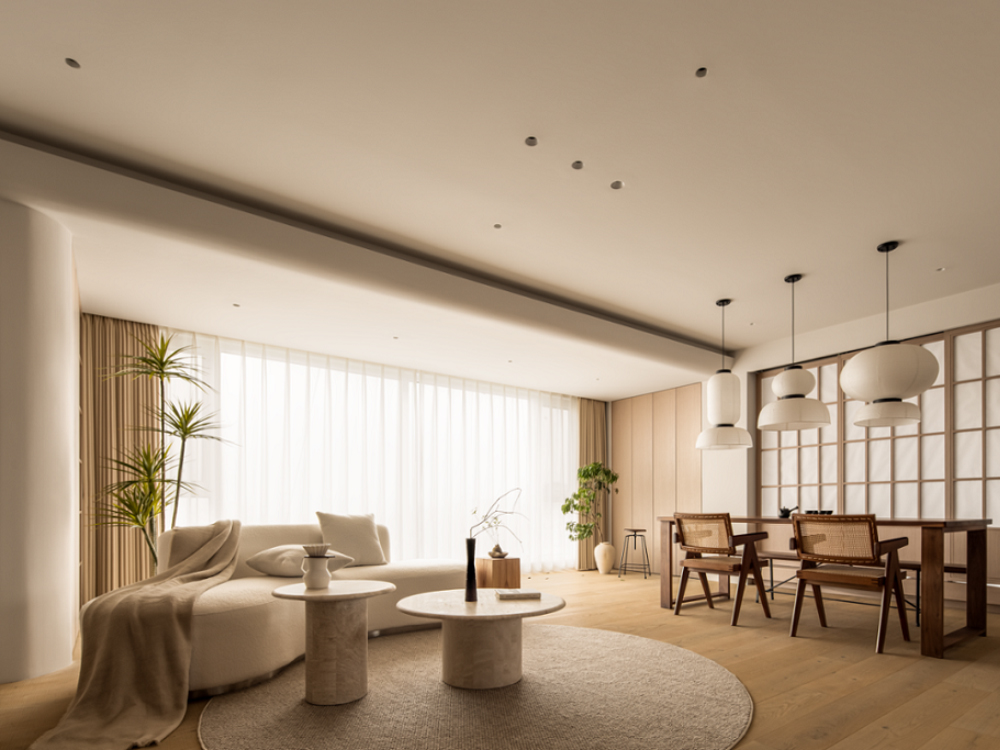
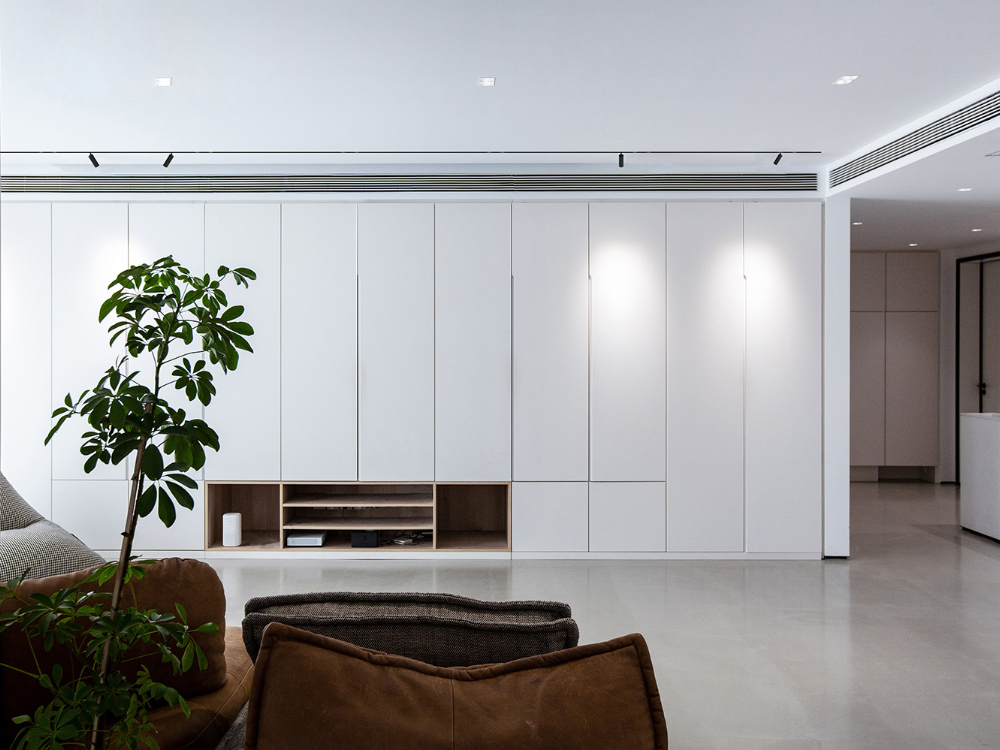
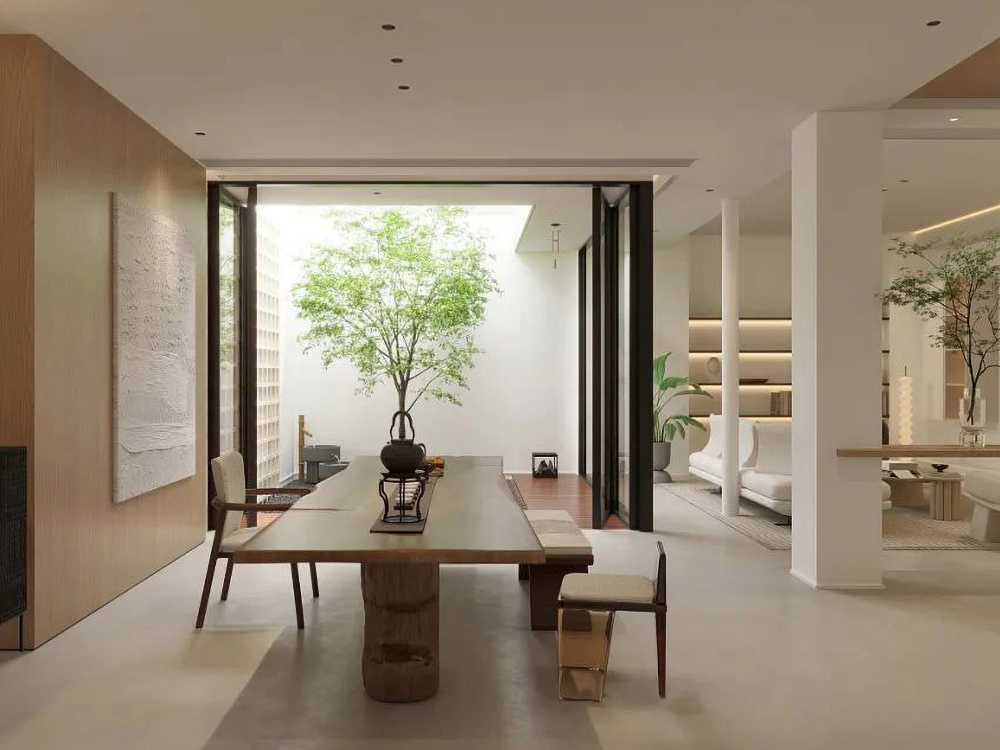
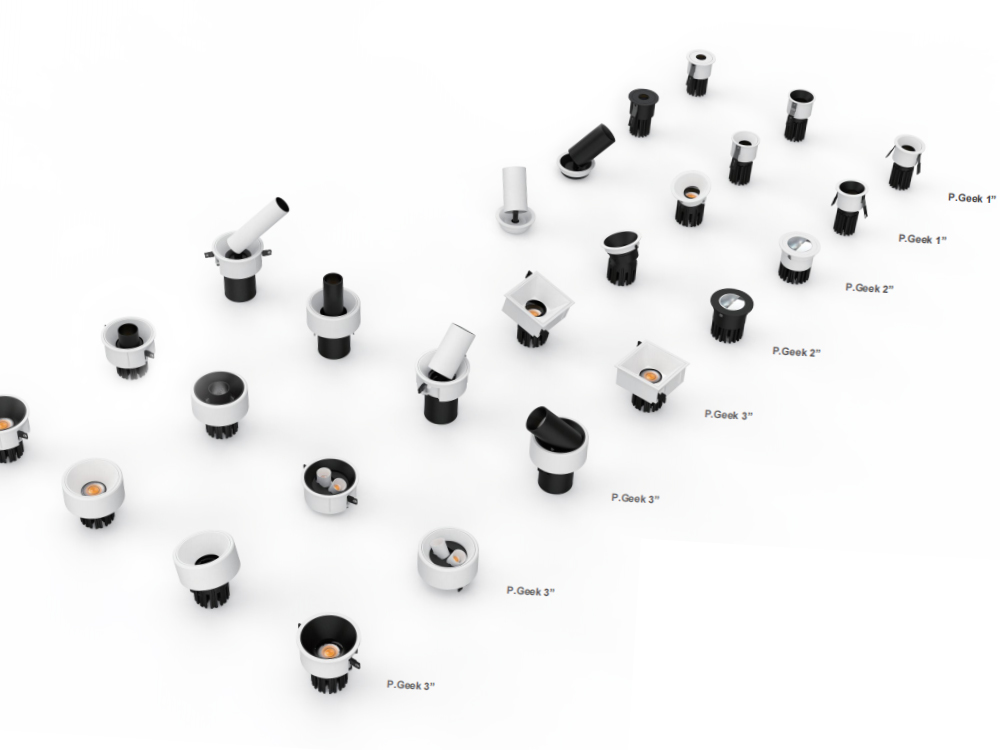
Have you ever noticed, “Why does this ceiling look unfinished with the lights on?” I have worked as a gypsum lights designer for over 10 years and have run into this issue in a number of projects. In this essay the author will compare and contrast the two types of lights including the weight, cost, texture, and diffusion of the lights.
In this article, we’ll explain why gypsum board LED lighting is gaining popularity among designers and builders, what makes gypsum ceiling lights different from LED strips, and when LED strips are insufficient.
What Are Gypsum Lights and Why Do They Matter So Much?
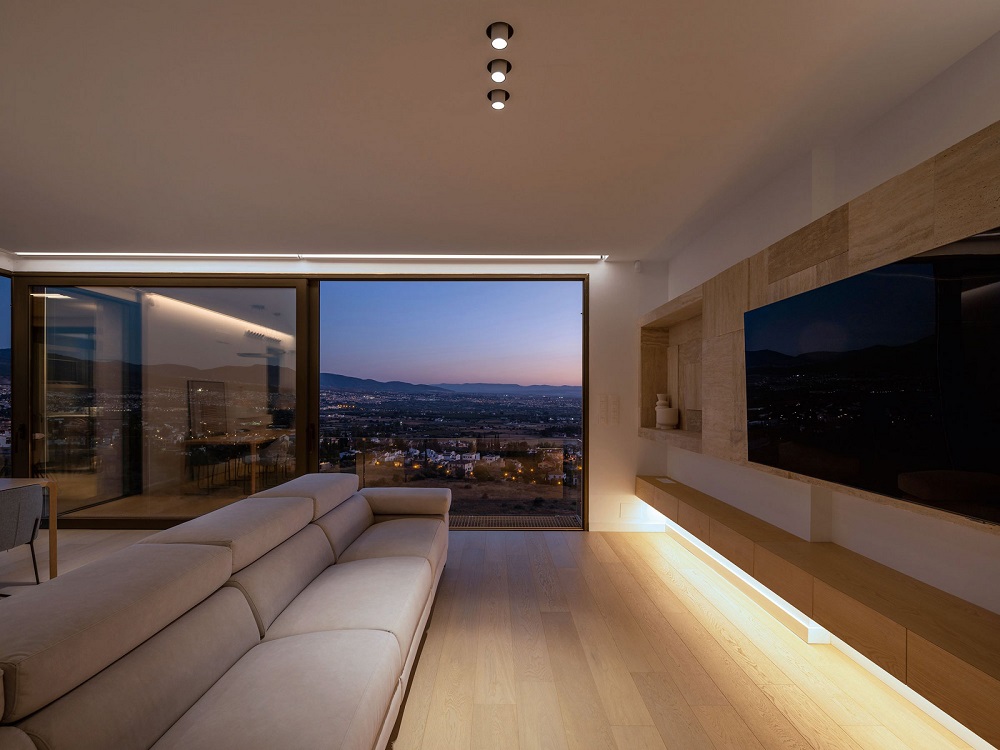
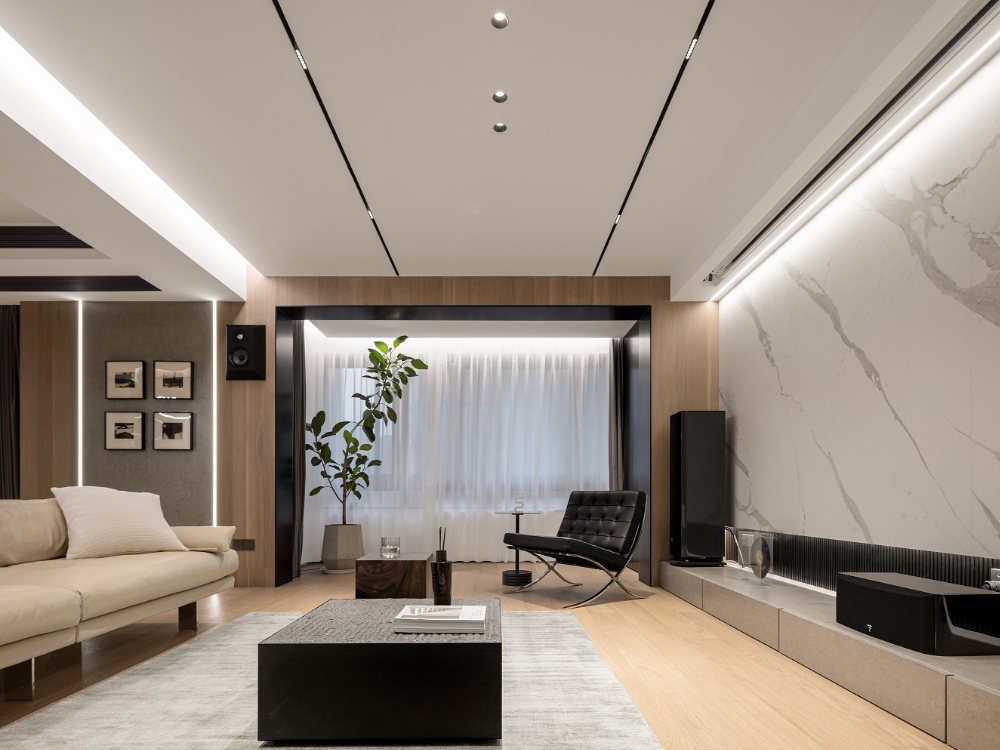
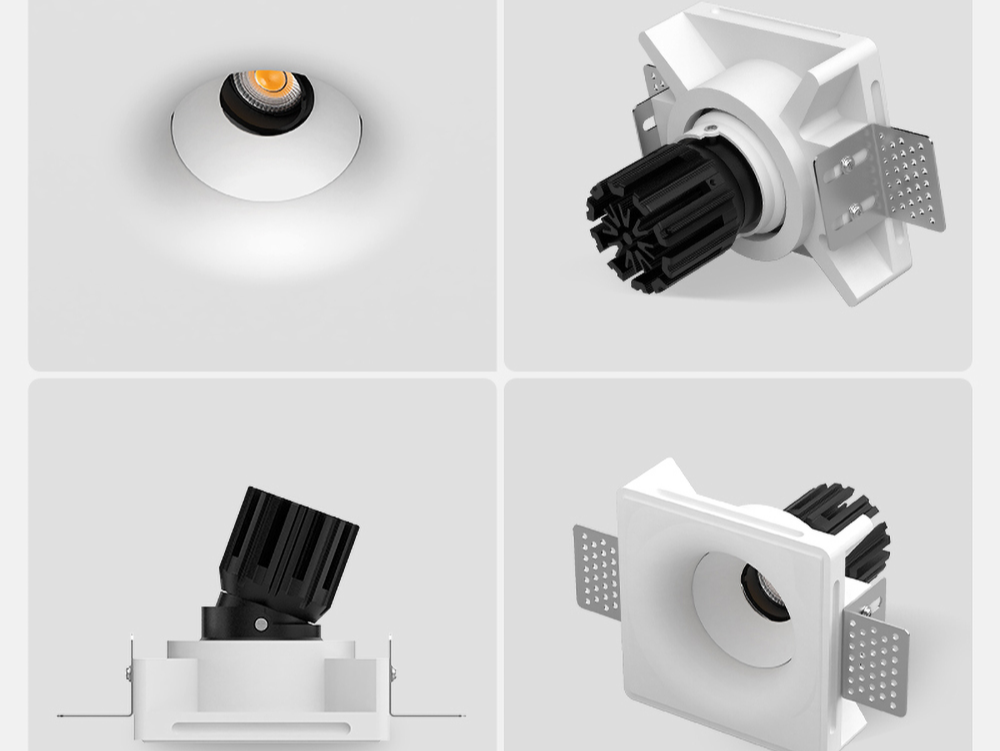
Gypsum Lights are luxurious materials that have been used in construction for a long time. In lighting fixtures, they generate an aesthetic that is organic, gentle, and architectural. The cast gypsum light products, which can be flat panels or curved linear shapes, are integrated into the ceiling structure. Visible LED strips on the other hand are above surfaces. This is totally hidden. Gypsum board ceiling lights allow the light to shine through and the fixture to be hidden.
The texture of the gypsum also helps to scatter light softly, helping to avoid glaring spots or glares. Gypsum-lighting is used in many public and private structures such as hotels, offices and mansions. You can paint these lights if you want and they will blend into the ceiling for a seamless look. They are fireproof too. LED strip lights are unmatched in aesthetic value with gypsum ceiling lights.

A Technical Short Summary of Gypsum Light Board Lighting
| Feature | Gypsum-Lights | Standard LED Strips | Why It Matters |
| Material | Calcium sulfate (gypsum) | Plastic/silicone base | Gypsum looks and feels premium |
| Finish Type | Seamless, paintable surface | Visible strip or channel | Gypsum blends into ceiling |
| Light Diffusion | Wide, even, soft spread | Directional or spotty | No glare or hot spots |
| Fire Resistance | Naturally fire-resistant | Varies by product | Safer for commercial use |
| Lifespan | 15–25 years (structure) | 5–10 years (LED) | Gypsum lasts much longer |
| Customization | Shapes, curves, linear | Limited by strip format | Gypsum fits design better |
How Does Gypsum Light Texture and Diffusion Compare to LED Strips?
Hotspots, which appear as bright dots or lines and look unfinished, are a major problem with LED strip lights. A solution to this problem is gypsum linear lights that naturally spread light. The surface of the plaster is smooth, it reflects light in all directions and the ceiling looks evenly lit. This is especially important in places where the lighting creates the ambience such as living rooms, hotel lobbies and workplace meeting rooms.
Gypsum light fixtures don’t have hot spots because the LED source is deeply embedded into the material. Moreover, roughness of the gypsum surface causes an illusion of depth in the ceiling, which flat strips lack. The ceilings have been decorated with gypsum linear lights, which makes the lighting feel part of the building’s design rather than an after-thought.
Light Diffusion Side by Side: Gypsum vs LED Strips
| Diffusion Factor | Gypsum Lights | LED Strips | LED with Diffuser Cover | Impact on Space |
| Hotspot Visibility | None | High | Moderate | Gypsum always cleaner |
| Light Spread Angle | 160–180 degrees | 120 degrees | 140 degrees | Gypsum covers more area |
| Glare Level | Very Low | High | Low–Medium | Gypsum is more comfortable |
| Surface Texture Look | Rich, architectural | Flat, minimal | Flat, minimal | Gypsum adds character |
Why Texture Matters in Gypsum Ceiling Lighting Ideas
Each ceiling is different. There are many rooms with steps and alcoves and curves. Due to their malleability, gypsum ceiling lighting solutions are ideal for these types of rooms. The LED strips are only able to follow straight or slightly curved lines . Intricate 3D ceiling forms are beyond their capabilities . “Gypsum is not limited to designers.
- One can surround columns and round rooms with curved gypsum cornices.
- Increase your ceiling with gypsum cove lighting.
- Gypsum panels can be made to size for any room.
- The ceiling colour stays the same because gypsum absorbs paint cleanly.
Best Spaces for Gypsum Lighting Design
Gypsum-lighting: in which rooms is it most advantageous? Here are the best choices:
- Lobby and front desk of hotels
- Meeting rooms and executive suites for workplace use
- Living rooms and bedrooms in wealthy homes
- Showroom and retail display spaces
- Restaurants that require a high end atmosphere
Is Gypsum Board LED Lighting Heavier or Harder to Install Than LED Strips?
Many are afraid of gypsum board led lighting solutions due to their weight and complexity of installation. “People are wrong about the truth. Gypsum is bulkier than regular LED strip tape but that’s the whole point – it will become part of the ceiling itself, not just cover it. It is the building frame that takes the load , not fasteners like glue or clips . Gypsum light fittings are much more stable and long-lasting once fitted than LED strip options in fact.
LED strips can have issues such as peeling, fading, or even falling off. Gypsum systems are long-lasting ceiling components, in contrast. Gypsum LED lights do require professional installation, but you end up with a neat, maintenance-free ceiling that lasts for decades. Do a little more work up front and save yourself a lot of work in the long run.

Installation Comparison: Gypsum Lights vs LED Strips
| Factor | Gypsum Lights | LED Strips | Which Is Better? |
| Installation Type | Professional, structural fit | DIY, adhesive-based | Gypsum- more stable |
| Time to Install | 1–3 days (full ceiling) | A few hours | LED strips faster |
| Long-Term Stability | Permanent, very secure | May peel or sag | Gypsum- far more durable |
| Maintenance Needed | Near zero after fitting | Regular checks needed | Gypsum- less hassle |
| Replacement Ease | LED inside replaced easily | Strip must be removed | Similar effort |
Advantages and Disadvantages of Gypsum Board Lighting
Advantages:
- Superior fire safety for business and residential environments
- A paintable surface ensures a flawless appearance
- Gypsum has sound-absorbing properties, so it reduces noise.
- Prevents droop of heavy duty LED strips within
Disadvantages:
- Not a product for do-it-yourselfers; needs professional installation.
- Check ceiling support for systems heavier than LED-only.
- It takes longer to install than standard strip lights.
Sectors That Use Gypsum Ceiling Lights Most
- The hospitality industry: includes hotels, resorts, spas.
- Commercial offices: include banks, law companies, coworking spaces.
- Medical services: doctors’ offices, private hospitals
- Retail: boutiques, furniture galleries
What Is the Real Cost Difference Between Gypsum Lights and LED Strips?
The cost is one of the most important considerations when choosing between simple LED strip lighting and gypsum light board systems. LED strips are comparatively more budget-friendly at first glance. The picture, however, changes when total cost of ownership is taken into account. More money up front but gypsum ceiling lights last 15-25 years with little maintenance. LED strips may be cheaper to buy, but they tend to burn out in three to five years, and the adhesive backing does not hold up well in damp conditions.
Multiple replacements of strip lights can lead to a big cost of labour, especially in commercial applications. Gypsum board lighting adds to the perceived value of a property which also directly affects the selling or rental prices. It’s more a question of how much you will save in the long run and not the cost now.

Cost Breakdown: Gypsum Lights vs LED Strip Lights
| Cost Category | Gypsum Lights | LED Strips | Notes |
| Initial Product Cost | Higher | Lower | Gypsum costs more upfront |
| Installation Labor | Professional needed | DIY possible | LED cheaper to install |
| Average Lifespan | 15–25 years | 3–7 years | Gypsum far more durable |
| Replacement Frequency | Rarely | Every 3–5 years | Gypsum saves long-term cost |
| Maintenance Cost | Near zero | Moderate | Gypsum wins on upkeep |
| Property Value Impact | High positive | Minimal | Gypsum improves value |
Real Project Examples: Where Gypsum Lighting Pays Off
| Project Type | Gypsum-Light Used | Result | Cost Saving Over 10 Years |
| 5-Star Hotel Lobby | Gypsum linear cove lighting | Zero replacements in 8 years | Saved ~$12,000 in maintenance |
| Corporate Office Floor | Gypsum LED panel ceiling | Clean look, no glare complaints | Saved ~$6,500 in replacements |
| Luxury Apartment Block | Gypsum cornice lighting | Premium look, higher rent rates | +15% rental value increase |
| Retail Fashion Store | Gypsum ceiling light panels | Highlight displays without hotspots | Saved ~$4,200 in refit costs |
Which Industries Benefit Most From Gypsum Board LED Lighting?
- Property developers with a luxury image who want to push up property values
- Hotel chains looking for durable, low-care ceiling options
- Non-glare light fixtures need for the store brands
- Educational institutions requiring sanitary and fireproof fixtures
Where Can You Find the Best Gypsum Lights for a Project?
When seeking light fittings, it is as important to choose the right product as it is to choose the right source. Not all manufacturers are created equal for quality, personalisation and support. You need to work with a vendor who knows the building codes and can supply quality goods reliably.
Make sure that the provider you select can produce both panel and gypsum linear lights to standard specifications, and has alternatives for custom designs. For commercial projects with tight deadlines, dependable technical support and delivery schedules are particularly important.
What to Look for in a Gypsum Lighting Supplier
- Certifications: CE, RoHS or local fire safety certificates
- Certifications: Ability to create custom shapes and sizes
- Product range: must offer choices for linear, panel and cove
- LED compatibility: Compatible with standard LED drivers and surface-mount diode strips (SMD) inside.
- Export experience: Has shipped goods to foreign markets
Hangzhou XRZLux Co., Ltd. is a famous brand in this industry. Their target markets are architectural lighting design goods. Their inventory includes custom-made gypsum board lighting systems, gypsum ceiling lights and linear lights.
Frequently Asked Questions
What a gypsum light is and what makes it different from an LED strip?
Gypsum-lights are ceiling lights, which contain an LED source and are made of moulded gypsum material. It will eventually become a part of the ceiling assembly. An LED strip is a flexible, stickable tape that contains light-emitting diode chips. Surface mounted LED strips stand out, but gypsum-lights look smooth and last longer.
- The ceiling structure hides the lighting.
- LED strips are very noticeable when applied to surfaces.
- The light diffusion and surface quality that gypsum offers are far superior.
What about fire safety of gypsum ceiling lights?
“Gypsum is naturally fireproof.” Gypsum ceiling lights can be used in any building, commercial or residential, and are safe to use. They are used in hotels, workplaces and other public places that have to comply with fire safety regulations. Check that the product meets fire safety requirements locally before you buy.
- Gypsum does not burn but produces steam when heated.
- Fire rated ceilings are prevalent in commercial buildings.
- Fire Safety Superior to standard plastic LED strip covers
How long is the service life of gypsum linear lights?
In construction, the life of gypsum linear lights is twenty years or more. The gypsum casing can remain in place while the internal LED component is replaced. This means you get a product that will last a long time and requires little LED care.
- The service life of a plaster construction is 15-25 years.
- If necessary, the internal LED strip can be replaced every 5-7 years.
- Greater robustness than traditional LED strip installations
Where would you recommend installing gypsum board lights?
Ceiling lights in gypsum board are perfect for any room that requires a high-end look. Most often, they are located in reception areas of offices, hotel lobbies, master suites and living rooms. In these rooms the ceiling aesthetics are important and the budget allows for a good finish.
- Suites and hotel lobbies
- Boardrooms and executive offices
- Beautiful home living spaces
Can LED lights of Gypsum be used outdoors?
Gypsum LED light fixtures are mostly designed for indoor use. Since gypsum is a porous material it will eventually decay if left outdoors. Some manufacturers provide moisture-resistant gypsum materials, but always check the IP rating before installing them in covered outdoor spaces like terraces or locations that are close to interior spaces.
- Use only standard plaster inside.
- For areas that are partially outside, look for water-resistant gypsum.
- Make sure it has an IP rating before mounting it outside.
Conclusion
Yes, especially if aesthetics, longevity and quality are important to your project. Gypsum lights score the highest in texture, diffusion, fire safety and total cost. LED strips are cheaper upfront, but they can’t hold a candle to the architectural gleam and durability of gypsum. Gypsum ceiling lighting is a perfect selection for any place that requires a perfect look like a hotel, workplace or a high-end residence.
Hangzhou XRZLux Co., Ltd has become the favourite of customers all over the world for high quality of gypsum linear lights, light fittings and lighting systems of gypsum board. They bring their knowledge of lighting design to develop a solution that fits your exact needs, providing more than just a product.